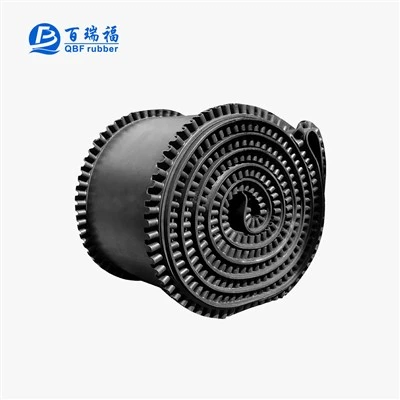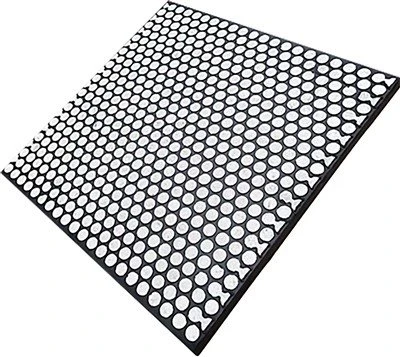
As a prominent supplier of Conveyor Belt Sidewall, I am often asked about the chemical resistance of these essential conveyor belt components. Chemical resistance is a crucial factor that can significantly impact the performance and lifespan of conveyor belt sidewalls in various industrial applications. In this blog, we will delve into the concept of chemical resistance, explore the factors affecting it, and discuss its importance in different industries.
Understanding Chemical Resistance
Chemical resistance refers to the ability of a material to withstand the corrosive effects of various chemicals without undergoing significant degradation. In the context of conveyor belt sidewalls, chemical resistance is essential because they may come into contact with a wide range of substances, including acids, alkalis, solvents, and oils, depending on the industry and application.
When a conveyor belt sidewall is exposed to chemicals, several types of damage can occur. These include swelling, cracking, softening, or hardening of the material, which can lead to reduced mechanical strength, loss of flexibility, and ultimately, failure of the sidewall. Therefore, selecting a conveyor belt sidewall with appropriate chemical resistance is vital to ensure reliable and long - lasting operation.
Factors Affecting Chemical Resistance
Material Composition
The material used to manufacture the conveyor belt sidewall is the primary determinant of its chemical resistance. Common materials for conveyor belt sidewalls include rubber, PVC (polyvinyl chloride), and polyurethane.
- Rubber: Natural rubber has limited chemical resistance and is susceptible to attack by many chemicals, especially oils and solvents. However, synthetic rubbers such as nitrile rubber (NBR), neoprene (CR), and ethylene - propylene - diene monomer (EPDM) offer better chemical resistance. NBR is resistant to oils and fuels, making it suitable for applications in the automotive and oil industries. CR has good resistance to ozone, weathering, and some chemicals, and is often used in outdoor applications. EPDM has excellent resistance to heat, weathering, and many chemicals, including acids and alkalis, and is commonly used in the chemical and food industries.
- PVC: PVC is a widely used material for conveyor belt sidewalls due to its good chemical resistance, especially to acids, alkalis, and many solvents. It is also relatively inexpensive and easy to process. However, PVC may have limited resistance to some organic solvents and high - temperature environments.
- Polyurethane: Polyurethane offers excellent abrasion resistance and good chemical resistance to many substances, including oils, greases, and some chemicals. It is also known for its high - strength and flexibility, making it suitable for applications where high performance is required.
Chemical Concentration and Exposure Time
The concentration of the chemical and the duration of exposure also play a significant role in determining the chemical resistance of a conveyor belt sidewall. Higher concentrations of chemicals and longer exposure times are more likely to cause damage to the sidewall material. For example, a sidewall may be able to withstand a low - concentration acid solution for a short period, but prolonged exposure to a high - concentration acid can lead to severe degradation.
Temperature
Temperature can affect the chemical resistance of conveyor belt sidewalls. In general, higher temperatures can accelerate the chemical reaction between the sidewall material and the chemicals, reducing its resistance. For instance, some materials that are resistant to a particular chemical at room temperature may become more susceptible to attack at elevated temperatures.

Importance of Chemical Resistance in Different Industries
Chemical Industry
In the chemical industry, conveyor belt sidewalls are exposed to a wide variety of corrosive chemicals, including strong acids, alkalis, and solvents. Chemical resistance is of utmost importance to prevent the sidewalls from deteriorating and contaminating the conveyed materials. For example, in a chemical plant that produces sulfuric acid, the conveyor belt sidewalls must be made of a material that can resist the corrosive effects of sulfuric acid, such as EPDM rubber or a special - grade PVC.
Food Industry
In the food industry, conveyor belt sidewalls come into contact with food products, cleaning agents, and disinfectants. Chemical resistance is essential to ensure the safety and hygiene of the food being conveyed. The sidewalls must be made of materials that are non - toxic and resistant to the chemicals used in food processing and cleaning, such as mild acids, alkalis, and sanitizers. For example, EPDM rubber is a popular choice for food - grade conveyor belt sidewalls due to its good chemical resistance and compliance with food safety regulations.
Mining Industry
In the mining industry, conveyor belt sidewalls are exposed to abrasive materials, dust, and sometimes chemicals used in the extraction and processing of minerals. Chemical resistance is important, especially in mines where the ore contains sulfur or other corrosive substances. Sidewalls made of materials with good chemical resistance, such as polyurethane or nitrile rubber, can help to extend the lifespan of the conveyor belts and reduce maintenance costs.
Our Conveyor Belt Sidewall Offerings
As a supplier of Conveyor Belt Sidewall and Conveyor Belt Sidewall, we understand the importance of chemical resistance in different applications. We offer a wide range of conveyor belt sidewalls made from various materials, including high - quality rubber, PVC, and polyurethane, to meet the specific chemical resistance requirements of our customers.
Our team of experts can help you select the most suitable conveyor belt sidewall based on the chemicals your application involves, the concentration of the chemicals, the exposure time, and the operating temperature. We also offer Conveyor Belt Cleat as an accessory to enhance the performance of your conveyor belts.
Conclusion
Chemical resistance is a critical aspect of conveyor belt sidewall performance, especially in industries where the sidewalls are exposed to various chemicals. By understanding the factors affecting chemical resistance and selecting the appropriate material, you can ensure the reliable and long - lasting operation of your conveyor belts.
If you are in need of high - quality conveyor belt sidewalls with excellent chemical resistance, please do not hesitate to contact us. Our experienced team is ready to assist you in finding the best solutions for your specific application. We look forward to the opportunity to discuss your requirements and engage in procurement negotiations with you.
References
- "Handbook of Polymer Science and Technology"
- "Conveyor Belt Technology: Principles, Design, and Applications"
- Industry standards and guidelines related to conveyor belt materials and chemical resistance.