

Hey there! As a supplier of vertical conveyor belts, I've seen firsthand how important it is to keep these components well - lubricated. In this blog, I'll share some tips on how to lubricate the components of a vertical conveyor belt.
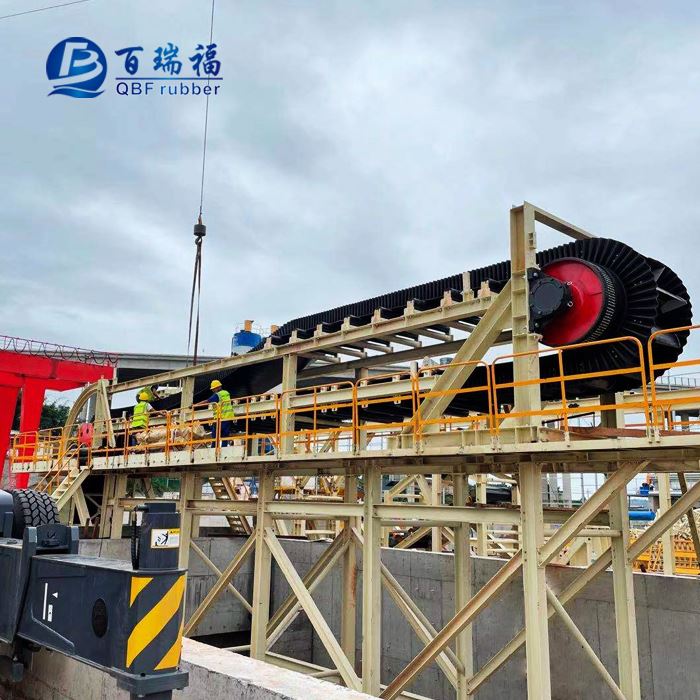

Why Lubrication is Crucial
Let's start with why lubrication matters. A vertical conveyor belt has multiple moving parts like pulleys, bearings, and chains. Over time, these parts can experience friction, which leads to wear and tear. Lubrication reduces this friction, extending the lifespan of the components and ensuring the smooth operation of the conveyor belt. It also helps in preventing overheating, which can cause serious damage to the belt and other parts.
Types of Lubricants
There are different types of lubricants available in the market, and choosing the right one is essential.
Oil - based Lubricants
These are great for general - purpose lubrication. They can penetrate into small spaces and provide long - lasting lubrication. However, they can attract dust and dirt, so you need to keep an eye on the cleanliness of the conveyor belt when using oil - based lubricants.
Grease - based Lubricants
Grease is thicker than oil and stays in place better. It's ideal for components that require long - term lubrication without frequent re - application. Grease is also good at protecting against moisture and corrosion, which is especially important if your conveyor belt operates in a humid environment.
Dry Lubricants
Dry lubricants, such as graphite or PTFE, are great for applications where you don't want any sticky residue. They work well in high - temperature environments and can reduce friction without attracting dirt.
Lubricating the Pulleys
The pulleys are one of the most critical components of a vertical conveyor belt. Here's how you can lubricate them:
- Clean the Pulleys: Before applying any lubricant, make sure the pulleys are clean. Use a mild detergent and a soft brush to remove any dirt, debris, or old lubricant. Rinse the pulleys thoroughly and let them dry completely.
- Choose the Right Lubricant: For pulleys, a high - quality oil - based or grease - based lubricant is usually a good choice. If the pulleys are operating in a high - temperature environment, you might want to consider a dry lubricant.
- Apply the Lubricant: If you're using oil, you can use a small oil can to apply a thin layer of oil to the pulley bearings. Make sure to cover the entire surface of the bearing. If you're using grease, use a grease gun to inject the grease into the bearing housing. Be careful not to over - grease, as this can cause the bearing to overheat.
Lubricating the Bearings
Bearings are another important part of the vertical conveyor belt. Here's the process for lubricating them:
- Inspect the Bearings: Check the bearings for any signs of damage, such as cracks or excessive wear. If you notice any problems, it's best to replace the bearings before lubricating them.
- Clean the Bearings: Use a suitable solvent to clean the bearings. Make sure to remove all the dirt and old lubricant. After cleaning, dry the bearings with a clean cloth.
- Select the Lubricant: Grease is often the preferred lubricant for bearings. It provides good protection and stays in place well. Choose a grease that is compatible with the bearing material and the operating conditions.
- Apply the Grease: Use a grease gun to fill the bearing with grease. The amount of grease you need depends on the size of the bearing. A general rule of thumb is to fill the bearing about one - third to one - half full.
Lubricating the Chains
If your vertical conveyor belt has chains, proper lubrication is crucial to prevent chain wear and ensure smooth movement.
- Clean the Chains: Use a chain cleaner or a degreaser to remove any dirt, grime, or old lubricant from the chains. You can use a brush to scrub the chains thoroughly. Rinse the chains with water and let them dry.
- Choose the Lubricant: A specialized chain lubricant is the best option for chains. These lubricants are designed to penetrate the chain links and provide long - lasting lubrication.
- Apply the Lubricant: Apply the lubricant to the chains while they are in motion. This allows the lubricant to penetrate evenly into the chain links. Make sure to cover the entire length of the chain.
Maintenance Tips
- Regular Inspections: Set up a regular inspection schedule to check the lubrication levels of the components. Look for any signs of excessive wear, leaks, or other problems.
- Re - lubrication: Depending on the operating conditions, you may need to re - lubricate the components periodically. For example, if the conveyor belt operates in a high - dust environment, you may need to re - lubricate more frequently.
- Record Keeping: Keep a record of the lubrication activities, including the type of lubricant used, the date of application, and the condition of the components. This can help you track the performance of the conveyor belt and identify any potential issues.
Related Products
If you're interested in different types of vertical conveyor belts, we offer a variety of options. Check out our Sidewall Cleated Belt, Anti - stick Sidewall Conveyor Belt, and Sidewall Belt. These belts are designed to meet different industrial needs and can work well with proper lubrication.
Conclusion
Lubricating the components of a vertical conveyor belt is a simple yet important task. By following the steps outlined in this blog, you can ensure the smooth operation of your conveyor belt, extend the lifespan of the components, and reduce the risk of breakdowns. If you have any questions about lubrication or our conveyor belt products, don't hesitate to reach out. We're here to help you with all your conveyor belt needs and are ready to discuss any potential procurement requirements.
References
- "Conveyor Belt Handbook" - A comprehensive guide on conveyor belt maintenance and operation.
- Manufacturer's manuals for vertical conveyor belt components, which often provide specific lubrication instructions.


