



Conveyor Belt Accessories
Your Professional Conveyor Belt Accessories Supplier
Qingdao Best Friend Rubber & Plastic Co., Ltd. (Short as QBF) has been involved in the design, manufacturing, engineering, and service of bulk conveying systems. They focus on the production, research and development of European standard long-life sidewall conveyor belts and other special rubber conveyor belts. Our products include sidewall conveyor belts, specialized conveyor belts, conveyor belt accessories, a cold bonding system, and pulley lagging.
Why Choose Us?
Rich Experience
Our management team has over 20 years of experience in the material handling industry.
Broad Market
QBF products are exported to more than 50 countries and regions around the world. They have replaced 90% of domestic imports of conveyor belts.
Wide Range of Applications
QBF products have been successfully applied in the mining, metallurgy, power plants, chemicals, tunneling, harbors, and other industries, providing innovative and efficient solutions for bulk material transportation.
Leading Service
QBF can provide full life cycle services, including pre-sales, sales, and after-sales services. QBF can always provide customers with technical diagnosis, conveyor system design, installation, engineering maintenance, spare parts, dust removal systems, and all kinds of conveyor belts as well.


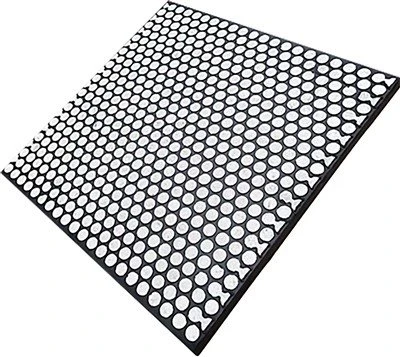


Definition of Conveyor Belt Accessories
Raised elements are sometimes used on a belt surface to assist in the carrying of material. These cleats, ribs, chevrons, and lugs are generally used to allow a conveyor to carry material at a higher angle of incline than would generally be possible with a flat belt. This is particularly useful with lumps or stones that could easily roll down an unobstructed incline.
Ability to Transport Materials on Inclines or Through Curves
One of the primary advantages of cleated belt cleat is their ability to transport materials up an incline or through a curve. The cleats allow for movement that is not possible with traditional flat belt conveyors, which can only be used to transport materials on a horizontal plane.
Increased Safety
Cleated belt conveyors are safer to use than traditional flat belt conveyors because the cleats prevent materials from slipping or falling off the belt. This reduces the risk of accidents and injuries in the workplace, making cleated cleats a safer option for transporting materials in manufacturing processes.
Customizable Design
Factors such as the spacing and height of the cleats, belt width and material can all be customized to meet your needs. This allows for greater flexibility and adaptability in manufacturing processes.
Improved Efficiency
Cleated belt cleats can improve efficiency in manufacturing processes by reducing the amount of manual labor required to transport materials. This can save time and labor costs, leading to improved overall efficiency in the manufacturing process.
Durability
Durable materials, such as PVC or rubber, are used to create cleated conveyor belts. These materials can withstand the rigors of industrial use, making them a reliable option for transporting materials in manufacturing processes while reducing the risk of downtime and maintenance costs.
Types of Conveyor Belt Accessories
For light-duty applications, such as small parts, packaged items, or food products, cleats shaped like an inverted capital "T" standing perpendicular to the belt surface provide product support with flexibility that affords "shock" protection for delicate items.
Angled cleats are designed for reliable transport of light- to medium-weight bulk material, especially where steeper inclines are involved. These take the shape of a forward-leaning capital "L," using a wide base that makes the cleat more resistant to leverage forces. Some models provide a curved face, which adds a scooping capability that is helpful with granular bulk movement.
For transport of abrasive, heavy, or large-piece bulk materials, cleats are offered in an inverted "V" (trapezoid) shape similar in profile to the cross-section of standard V-belts. These smooth-surfaced, wide-based cleats are designed to withstand heavy impact. Generally no taller than 2 inches, these cleats are flexible enough to allow for conveyor belt troughing.
Cleats in the form of individual lugs and pegs accommodate specialized needs. For example, conveyor belts transporting wet products, such as washed fruit or vegetables, might use either type to promote run-off of liquids and minimize drag through rinsing tubs. They also offer a cost-cutting alternative for cargo that does not require support across the full belt width, such as rods, tubes, or cartons. In some cases, they can be positioned to selectively move products exceeding a particular size or to hold individual products in specified positions on the belt for counting, timing, spacing, or collating purposes.
Applications of Conveyor Belt Accessories
Food Processing
Cleated belt cleats are commonly used in the food processing industry to transport raw materials, ingredients and finished products. The conveyor cleats help to keep the materials in place as they are transported, preventing spills and ensuring the integrity of the food products.
Agriculture
The ability to transport materials up an incline or through a curve makes cleated belt cleats ideal for use in agricultural applications, where materials such as crops or seeds often need to be transported over uneven terrain.
Packaging
Packaging applications often require materials to be transported to different levels or around corners, making cleated belt ideal.
Recycling
Cleated belt conveyors are used in recycling applications to transport materials such as glass, paper and plastic. The cleats on the conveyor ensure that the materials are properly sorted and recycled.
Mining
Another industry that can benefit from cleated belt cleats is the mining industry. Materials such as coal, ore and minerals need to be transported through narrow spaces and up inclines, requiring the use of conveyor belts with cleats.
Automotive
The automotive industry uses cleated belt conveyors to transport parts and components between manufacturing processes. The customizable design of cleated belt cleats allows them to be tailored to specific automotive applications.
Process of Conveyor Belt Accessories
Hot Vulcanization
Hot vulcanization, the oldest method, involves special cleat-shaping molds and a vulcanizing press. The molds are filled with uncured rubber and heated by the press to both form and cure the raw cleat. Concurrently, the belt is pressed down on the mouths of the molds, causing the cleats to adhere as they harden. This process — generally limited to rubber belts — requires a highly skilled and experienced technician as well as considerable equipment investment. A flawless job yields a strong, lasting bond much like that of a vulcanized belt splice. But because of this method's low tolerance for error, results can be erratic. For instance, if the molds are not precisely filled with rubber, an uneven and weaker bond may form or the cleat profile may be erratic, affecting load-carrying capacity.
Cold Bonding
Cold bonding, also known as cold vulcanization, requires less equipment than hot vulcanization but no less skill. This method relies on a two-component chemical adhesive that works with cured rubber and plastic belts. The installer must properly mix the adhesive and then brush a precise amount evenly across a narrow strip of the belt and across the bottom of the cleat. When the adhesive is dry to the touch, a second coat is applied. After that dries adequately, the cleat and belt are pressed together. It's essential to maintain an even thickness of adhesive and to know when it's dry enough — though not too dry — to form a strong bond. Finally, the installer must perform a labor-intensive "stitching" process that drives out trapped air that could detract from the bond. Like hot vulcanization, cold-bonding effectiveness varies from shop to shop. If the bond is not absolutely tight along the length of the cleat, fines or oils from the conveyed material can attack the adhesives. In addition, the bonding procedure is susceptible to such environmental factors as humidity and extreme variances in temperature. Also, the chemicals used in cold bonding have a very limited shelf life; if they are used beyond their expiration date, even a good initial bond may have a questionable life expectancy.
Heat Welding
Heat welding, the third alternative for bonding cleats, is used for belts made of PVC and PVC blends — those with small amounts of rubber. In this method, hot-air application machinery heats the base of the cleat and the surface of the belt simultaneously; in this way, cleats are "melted" onto the belt under a variable-speed pressure roller that advances along the cleat as the heat-gun retreats. Like the other two methods, the quality of the bond is directly related to the skill of the welding-machine operator. Newer advanced equipment, however, promotes greater welding consistency and repeatability, producing higher quality applications with shorter turnaround times. An emerging variation of heat welding using RF (radio frequency) energy as the heating agent shows promise but remains in limited application.

The Considerations for Buying
Spacing and Patterns
The conveyor belt cleats pattern on the surface of the belt can be more important than anything else in figuring out what kind of material it is moving. There are various kinds of conveyor belt cleats, and each is made for a different purpose.
Angle
Angled cleats are especially useful when working with inclined conveyor belts and are better with lighter weight material. The deeper the angle, the more material can be caught and secured on the way up.
Shape
Differently shaped conveyor belt cleats are used to further customize the delivery process. For example, curved cleats are gentler on loads that have the potential to bruise, like certain food products.
Height
In addition to the total size of the load on the conveyor belt system, cleat height is changed based on the size of the individual products that are being transported, especially up an inclined conveyor belt. You wouldn’t need 12″ conveyor belt cleats to move a supply of small oranges, but you also wouldn’t want cleats so small that the fruit rolls right over the conveyor belt equipment.
Material
Conveyor belt cleats are often constructed of rubber or PVC and can be reinforced with stronger material like steel for projects that are particularly strenuous. Like the conveyor belt systems they are attached to, cleats can also be custom made for resistance to elements like heat or oil.
Our Factory
QBF is one of the leading R&D company of Heavy-duty Cleat, PE board leak-proof structure, sticky material easy-to-clean formula and personalized color glue in China. Largest Sidewall conveyor belt single production enterprise in Asia.
QBF holds leading technology and market cases in the fields of lifting height, large Conveying capacity, steep incline lifting, single length, anti-stick and other products.


Our Certificate
QBF also follow global standards with certificate. QBF will be your solution partner in sidewall belting and special conveyor belt, accessories,etc.


Contact Us
+8613969729233
Frequently Asked Questions
Q: What are the five major industrial uses of conveyor belt cleat?
Whether it’s potatoes, blueberries or any other types of crops, agriculture conveyors feature prominently in the farming process from the soil surface to up into the truck. Anyone in the industry knows that from harvesting to processing, life is much easier when machinery is involved.
Cleated conveyor belts are ideal for types of work like agriculture, where the terrain and the materials themselves could pose issues due to steep inclines or the need to separate into batches. Incorporating them at various points in the process can improve productivity – which only benefits the company in the long run, of course.
Similarly, leveraging a cleated conveyor belt with steep inclines can give processing plants that mechanical advantage they’ve been searching for. Companies can opt for more vertical designs, which saves valuable space on the floor and reduces the capital cost on the equipment.
Food Handling Cleated Conveyor Belts
There are a lot of different layers to the food and beverage industry, with few more important than the creation and preparation of food. Many of the products can be difficult to move efficiently at scale, even with state-of-the-art machinery.
Don’t forget that many foods are temperature sensitive and could lose their value under the wrong circumstances, like dried hops. An inability to manage temperatures effectively could have far-reaching financial effects. The worst case scenario is coming to fruition more often, with the industry now seeing food recalls rise 10 percent over the last five years, according to the Public Interest Research Group. Even one incident could devastate the bottom line and a company’s reputation.
Food Handling with Cleated Conveyor BeltsUsing a cleated conveyor belt that’s uniquely built for the type of food it’ll handle keeps operations running smoothly with foodstuff kept neatly in check and at the perfect temperature point during operation.
Mining and Excavation Cleated Conveyor Belts
Sand, gravel, limestone and other minerals are difficult to move through an excavation site or work site, given their often rugged layout. If walking through an area proves difficult, transporting sediment in or out of the area will only be more taxing.
By using a cleated conveyor belt, companies can significantly cut down on lost materials and better automate traditionally manual aspects of operation. Incorporating this technology can considerably improve worksite productivity, especially if it was non-existent beforehand.
At the end of the day, all materials respond differently to being handled by each design. Finding out whether a closed chevron or a U-shape design works better could make all the difference in improving the belt’s efficiency.
Logistics and Warehousing Cleated Conveyor Belts
The rise of eCommerce has helped logistics flourish on a massive scale, with warehouses fulfilling a key role in the success of the complex distribution that comes with an industry worth $1.6 trillion in 2018.
Automation is at the forefront of it all, with machinery playing a pivotal role in helping to achieve tight delivery deadlines. The equipment at the frontlines of moving materials and products is a critical investment, with roughly one in every 10 warehouses in the U.S. using machines that completely automate the process, according to Westernacher, a global consulting firm.
A single jam or lost parcel could bear significant costs for a company. Cleated conveyor belts ensure that items stay on track for correct distribution, maintaining peak efficiency and sustaining high productivity in light of increasing workloads.
Recycling Cleated Conveyor Belts
Sustainability has come to the forefront of consumers’ minds and nowhere is this being felt more than at recycling plants, with the US recycling rate up to 35 percent, according to the EPA. That’s roughly 87 million tons of material being recycled each year.
These operations deal with a massive amount of recyclables and attempting to process it all without the right equipment can lead to significant operational bottlenecks.
With a large volume of inconsistently sized materials that may have different weights, cleated conveyor belts help recycling plants keep materials in tow and operations humming along as scheduled. The custom-designed belts cleat are a boon to efficiency, ensuring a far greater amount of recyclable material gets to its intended destination without issue thanks to uniquely fitted designs
Retrofitting equipment with patterns that are targeted to transport specific materials can improve the efficiency of legacy machinery, helping companies stave off costly capital investments.
Q: What are the maintenance tips for conveyor belt cleat?
Maintaining cleated belting is important because a nearly direct ratio can be drawn between the number of broken cleats and the loss of conveyor efficiency. A 10-cleat conveyor loses 10 percent of its potential productivity for each broken cleat. Furthermore, one missing cleat overloads the one immediately behind it, creating a domino effect. Damaged cleats usually become more costly and disruptive the longer they go unrepaired.
Be careful which action you take. Often when cleats break, conveyor users improvise with a piece of wood, angle-iron, or whatever else is handy crudely attached to the belt where the broken cleat sat. Although such improvised cleats might move product with varying degrees of success, their inflexibility can initiate new problems. In addition to potentially harming conveyed products, a makeshift cleat may damage the conveyor system as well. A piece of angle-iron, for instance, will not yield if it catches on framing or return idlers; more likely it will rip out the belt. Angle-iron or wood will not flex going around a pulley but instead will stress the belt and eventually shear the belt fabric.
Likewise, improper fasteners such as nails, wire, standard bolts, or screws can tear and weaken the belt's carcass, contributing to early belt failure and perhaps damaging pulleys or lagging. Although some belt productivity may be temporarily saved, this type of improvisation can easily do more harm than good.
Q: What are the different types of conveyor belt cleat?
Mechanically attached cleats offer an economical solution with more versatility and convenience than fabricating methods. Fastened to belts with specially engineered screws or bolts, these attachable cleats allow easy on-site installation by in-house maintenance personnel. Unlike bonding methods, mechanical attachment is not affected by belt material, age, or condition. For example, a mechanical rubber cleat can be attached to a PVC belt — even to a chain or plastic link belt. Nor is installation sensitive to ambient temperature, moisture, or dust. Some attachable cleat designs feature "pressure-cup" concave bases that enable the cleat to be drawn into a tight seal against the belt surface. This prevents materials from being trapped between the belt and cleat, which would not affect cleat attachment but may be important where cleanliness, contamination, or spoilage is of concern.
Another advantage is that some companies need to experiment with or periodically reconfigure belt cleat patterns, perhaps even change belt locations and functions. Mechanical attachment lets cleats be rearranged into different patterns or removed and used again later without requiring replacement of the conveyor belt.
Mechanically attached cleats can even help correct minor belt tracking problems. When installed as center guides on the underside of the belt and used with grooved pulleys and idlers or as edge guides that overlap the ends of standard pulleys, small V-Guides can counteract side-thrust forces that otherwise would draw the belt off-track.
Q: What is conveyor belt cleat?
Bear in mind that the taller the cleats, ribs, chevrons, or lugs are, the more vulnerable they are to damage and the harder the belt is to clean and seal.
One way to increase traction between the belt and the conveyed material is to use a top cover that features inverted chevrons. Instead of extending above the belt cover, inverted chevrons are recessed into the top cover, like the tread on a tire. The grooves are cut into the belt cover with a router; the grooves can be at a chevron angle or straight across the belt 90 degrees to the edge. This design allows greater success in cleaning and sealing the belt with traditional systems, although it is possible to fill the recessed cleats with material.
Q: What does Conveyor Belt Accessories include?
Q: What is Conveyor Belt Sidewall?
Q: What kind of conveyor belt cleat do you need and what should you consider?
We will also consider the angle at which you’re conveying. Depending on your product, choosing a compound with a lot of grip for a low incline belt may be just as effective as using cleats.
These considerations will help us design cleats with the best performance characteristics for your application. At a glance, we offer rubber, nitrile, and butyl cleats. They can be configured horizontally or longitudinally for a one-of-a-kind solution. QBF can also adjust the shape of the cleat to match its purpose. For example, suppose you convey a product with fragile plastic packaging that could be easily punctured or torn. In that case, we can customize your cleated conveyor belt to have rounded edges for the safe transfer of product.
Q: What is the function of conveyor belt cleat?
Cleats are components attached to conveyor belts that serve the purpose of guiding products onto the belt. They prevent products from falling off the conveyor belt, thus minimizing production losses.
Cleats come in different types, including transverse, longitudinal, or corrugated edges. Generally, the material of the cleat matches the conveyor belt, such as rubber attachments on rubber conveyor belts, plastic attachments on plastic conveyor belts, and so on. Combinations of attachments are also possible, such as using both longitudinal and transverse attachments on the same conveyor belt.
Cleats can be attached to conveyor belts using various methods. In the case of rubber conveyor belts, hot vulcanization involves heating the applied rubber under high pressure to integrate it seamlessly with the rest of the belt. This ensures maximum safety and stability through 100% adhesion, making it impossible for the attachments to come loose.
Q: What types of conveyor belt cleats are there?
With these considerations in mind, you will be able to pinpoint the right type of conveyor for your company. One of the most used conveyor belt is what we call the Cleated Conveyor Belt. Cleat or cleated has been defined as a strip of wood or iron used to support the surface to which it is attached. Cleated conveyor belts are widely used to carry coal and powdery such as sand, grain materials, and fine coal up steep inclines. When cleats are used in a conveyor belt, faster speeds, greater inclines and less floor space is acquired. Below are the several shapes of Cleated Conveyor Belts:
Inverted Capital T
This type of cleated conveyor belt is best for lightweight materials such as packaged items, food products and small material parts. The cleats are shaped as an inverted letter T which stand perpendicularly on the belt and this will provide support and anti-shock for delicate materials.
Lugs and Pegs
These are special kinds of cleats that are installed in the conveyor belts in the form of individual lugs and pegs. This is commonly used to transport wet products or materials, such as wet fruits or vegetables. This type of conveyor belt offers a cost-cutting alternative for cargo companies.
Q: How to Maintain conveyor belt cleat?
When there are damaged cleats, learn to avoid using improvise materials, such as wood, iron, or anything that you think can fit. These improvised materials can make the conveyor work, but in the end it will cause more damage.
Avoid using improper fasteners, like nails, wires, bolts, or screws as this can weaken and tear down the carcass of the conveyor belt.
Q: Why use conveyor belt cleat?
Q: What are the benefits of using conveyor belt cleat?
Agricultural cleated belt conveyors play an important role in the farming process. Anyone in the business understands that using machines makes everything easier, from harvesting to manufacturing.
Cleated conveyor belts are useful for tasks such as agriculture, where the terrain and materials may cause challenges owing to steep inclines or the requirement to split things into batches. Incorporating them at various stages of the process may boost productivity.
Similarly, using a cleated conveyor belt with steep inclines might provide the mechanical edge that processing industries have been looking for. Companies can choose more vertical designs, which saves important floor space and lowers the capital cost of the equipment.
Q: Guarantees Efficiency for a Growing Workload
Limits the Loss of Materials
Because of their frequently uneven layout, gravel, sand, and other mineral deposits are tough to move through a jobsite. Companies may dramatically reduce wasted materials and effectively automate previously manual areas of operation by adopting a cleated conveyor belt. Incorporating this technology can significantly bolster a job’s efficiency because there is a reduced chance of losing track or damaging valuable material.
Improves Recycling Efforts
Sustainability has risen to the top of consumer concerns, and nowhere is this more evident than at recycling operations. These businesses handle a large volume of recyclables, and attempting to process it all without the proper equipment might result in substantial failures.
With a huge number of inconsistently sized materials of varying weights, cleated conveyor belts assist recycling companies in keeping commodities in tow and operations running as planned. The custom-designed belts guarantee that a far higher volume of recyclable material arrives at its designated destination without trouble due to uniquely fitting designs.
The advantages of using a cleated belt conveyor prove their worth in a multitude of industries.