

What is the belt thickness of a sidewall conveyor belt? Well, that's a question I get asked a lot as a sidewall conveyor belt supplier. In this blog, I'm gonna break down everything you need to know about the belt thickness of sidewall conveyor belts.
Understanding Sidewall Conveyor Belts
First off, let's quickly go over what sidewall conveyor belts are. They're a special type of conveyor belt that have sidewalls and sometimes cleats. These features help in transporting materials at steep angles or in a confined space. You can check out Sidewall Cleated Belt to get a better idea of how they look and work.
Why Belt Thickness Matters
The belt thickness of a sidewall conveyor belt is crucial for several reasons. It affects the belt's durability, load - bearing capacity, and flexibility. A thicker belt is generally more durable and can handle heavier loads. But it might lack flexibility, which could be a problem in some conveyor systems where tight turns are required. On the other hand, a thinner belt is more flexible but might not be able to carry as much weight or last as long under heavy - duty conditions.
Factors Affecting Belt Thickness
Type of Material Being Transported
The nature of the material you're moving on the conveyor belt plays a big role in determining the appropriate belt thickness. If you're transporting sharp, abrasive materials like gravel or crushed stones, you'll need a thicker belt. These materials can wear down a thin belt quickly, leading to frequent replacements. For example, an Anti - stick Sidewall Conveyor Belt with a thicker base might be ideal for sticky materials as it can withstand the additional stress.
Conveyor System Design
The design of the conveyor system also impacts the belt thickness. If the conveyor has a lot of curves or small pulleys, a thinner and more flexible belt is better. This is because a thick belt might not be able to bend around the curves smoothly, causing issues like misalignment or belt damage. In contrast, a straight - line conveyor with large pulleys can often accommodate a thicker belt without any problems.
Operating Conditions
The environment in which the conveyor belt operates is another factor. In high - temperature environments, a belt with the right thickness and heat - resistant properties is necessary. A thick belt might retain heat, which could lead to premature wear. In cold conditions, a belt that's too thick might become brittle and crack. The MOR Sidewall Conveyor Belt is designed to perform well in various operating conditions, and the appropriate thickness selection is key to its effectiveness.
Common Belt Thicknesses
Sidewall conveyor belts come in a range of thicknesses. Generally, the thickness can vary from around 3mm to 20mm or more. For light - duty applications such as moving small parts in a factory, a belt thickness of 3 - 6mm might be sufficient. These belts are flexible and easy to work with.
For medium - duty applications like handling packaged goods or light bulk materials, a thickness of 6 - 12mm is common. These belts offer a good balance between durability and flexibility.
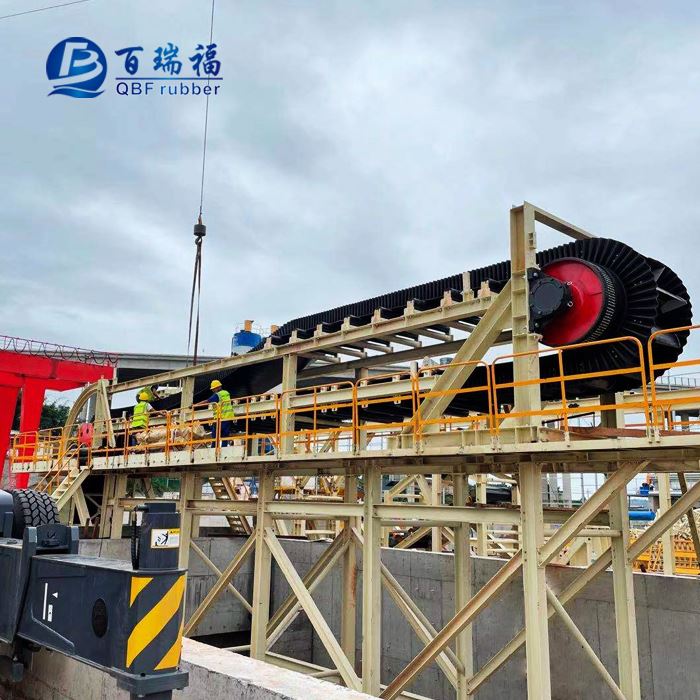

Heavy - duty applications, such as mining or large - scale construction projects, often require belts with a thickness of 12mm or more. These belts are built to handle the rough treatment and heavy loads associated with these industries.
Measuring Belt Thickness
Measuring the belt thickness accurately is important, especially when it comes to replacement or new installations. You can use a simple caliper to measure the thickness at different points along the belt. Make sure to measure at several locations to account for any variations in thickness. It's also a good idea to measure the sidewalls separately, as their thickness can also affect the overall performance of the belt.
How to Choose the Right Belt Thickness
Choosing the right belt thickness can be a bit tricky, but it doesn't have to be. Start by assessing the factors we discussed earlier - the type of material, conveyor system design, and operating conditions. If you're not sure, it's always a good idea to consult with an expert. As a sidewall conveyor belt supplier, I've helped many customers make the right choice. We can analyze your specific needs and recommend the most suitable belt thickness for your application.
Maintenance and Belt Thickness
Proper maintenance can extend the life of your sidewall conveyor belt, regardless of its thickness. Regularly inspect the belt for signs of wear, such as thinning or damage to the sidewalls. Keep the belt clean and lubricated as recommended by the manufacturer. If you notice that the belt is wearing down faster than expected, it might be a sign that the thickness is not appropriate for your application.
Conclusion
In conclusion, the belt thickness of a sidewall conveyor belt is a critical factor that can significantly impact the performance and longevity of your conveyor system. By understanding the factors that affect belt thickness, measuring it accurately, and choosing the right thickness for your specific needs, you can ensure that your conveyor operates smoothly and efficiently.
If you're in the market for a sidewall conveyor belt or need help choosing the right belt thickness, don't hesitate to reach out. We're here to help you make the best decision for your business.
References
- Industry standards for conveyor belts
- Manufacturer's guidelines for sidewall conveyor belts
- Case studies on sidewall conveyor belt applications


