Conveyor Belt Sidewall

Conveyor Belt Sidewall

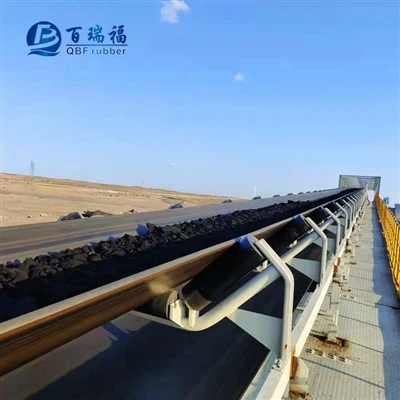
The conveyor belt sidewall, often referred to as a skirt or side guard, serves as a critical component in conveyor belt systems, especially those handling bulk materials. Its primary function is to maintain the alignment of conveyed goods and prevent spillage or loss, ensuring a clean and efficient transport process.
Send Inquiry
Product Introduction

Qingdao Best Friend Rubber & Plastic Co., Ltd. is one of the most reliable manufacturers and suppliers of conveyor belt sidewall in China, also supports customized service. If you're going to buy high quality conveyor belt sidewall made in China, welcome to get more information from our factory.


Qingdao Best Friend Rubber & Plastic Co., Ltd. : Your Trustworthy Conveyor Belt Sidewall Manufacturer!


Qingdao Best Friend Rubber & Plastic Co., Ltd. (Short as QBF) has been involved in design, manufacturing, engineering and service of bulk conveying system, focusing on the production, research and development of European standard long-life sidewall conveyor belt and other specialized rubber conveyor belt.


Rich Product Variety
Our company can produce sidewall conveyor belts, vertical sidewall conveyor belts, special conveyor belts, wire rope core conveyor belts, fabric core conveyor belts, herringbone conveyor belts, tubular conveyor belts, etc.


Wide Range of Uses
Our products are widely used in mining, metallurgy, electricity, chemical industry, tunnels, ports and other industries, providing innovative and efficient solutions for bulk material transportation.


Customizable
Our company can provide OEM/ODM services, and we can also provide customers with technical diagnosis, conveying system design, installation, engineering maintenance, spare parts, dust removal systems, various conveyor belts and other full-service.


Wide Market Sales
Our products are exported to more than 50 countries and regions around the world, replacing 90% of imported conveyor belts in China.


What is Conveyor Belt Sidewall


The conveyor belt sidewall, often referred to as a skirt or side guard, serves as a critical component in conveyor belt systems, especially those handling bulk materials. Its primary function is to maintain the alignment of conveyed goods and prevent spillage or loss, ensuring a clean and efficient transport process.


Features of Conveyor Belt Sidewall

Positioning and Guiding

The sidewalls can keep the materials in the correct position and direction during transportation, avoiding deviation or rotation, thus ensuring the stability and operation efficiency of the production line.

Preventing Material Overflow

The height and width of the sidewalls can be adjusted according to the size and shape of the materials, effectively preventing the materials from overflowing or flying during transportation, reducing the injuries to workers and the damage to equipment.

Improving Cleanliness

The sidewalls on both sides of the conveyor belt can prevent the materials from falling to the ground during transportation, thus reducing the difficulty and time of cleaning work.


Types of Conveyor Belt Sidewall

Rubber Sidewalls

Rubber is a material that is resistant to wear, high temperature and oil corrosion, and is suitable for conveying high temperature and corrosive materials.

Plastic Sidewalls

Plastic sidewalls have good wear resistance, corrosion resistance, light weight, and easy installation, and are suitable for conveying light materials.

Metal Sidewalls

Metal sidewalls have high strength, wear resistance, and good stability, and are suitable for conveying heavy materials.

Adjustable Sidewalls

Adjustable sidewalls can be adjusted according to the size and shape of the material, and are suitable for conveying irregularly shaped materials.


How to Choose Conveyor Belt Sidewall


Choose the Right Material and Structure

Choose the right material and structure according to the nature of the material and the environmental conditions during the conveying process.


Determine the Appropriate Height and Width

Choose the appropriate height and width of the sidewall according to the size and shape of the material to ensure that the material does not deflect or overflow.


Consider the Ease of Installation and Maintenance

Choose sidewalls that are easy to install and maintain to reduce equipment failures and downtime.


Applications of Conveyor Belt Sidewall
 
01/

Mining
In mining operations, Conveyor Belt Sidewall is used to transport mineral ores from deep underground to the surface. The high sidewalls help contain the loose materials during the steep ascent.

02/

Construction
Conveyor Belt Sidewall is used on construction sites to move building materials such as sand, gravel, and crushed stone vertically or across steep inclines, speeding up the transport process and reducing labor costs.

03/

Agriculture
Conveyor Belt Sidewall help in the movement of grains and other agricultural products, especially in silos and grain elevators where space is limited and vertical lifting is required.

04/

Recycling
Recycling facilities utilize these Conveyor Belt Sidewall to sort and elevate various recyclables efficiently. The high sidewalls prevent spillage of plastics, metals, and other materials during processing.

05/

Chemical Industry
Chemical plants use Conveyor Belt Sidewall to handle bulk chemical materials safely, reducing the risk of spillage and exposure to potentially harmful substances.

06/

Food Processing
In the food industry, Conveyor Belt Sidewall is used to transport bulk food products such as grains, nuts, and even confectionery items vertically, optimizing space and improving hygiene by reducing contact with multiple surfaces.


Certificate
 
 
product-1-1
product-1-1
product-1-1
product-1-1
product-1-1


Frequently Asked Questions


Q: What is a Conveyor Belt Sidewall?

A: A Conveyor Belt Sidewall is a vertical barrier attached to the edges of a conveyor belt designed to prevent materials from spilling over the sides during transport. These sidewalls enhance the efficiency of material handling systems, especially when dealing with loose or bulk materials. They come in various heights and materials, depending on the application and the type of materials being conveyed.

Q: What are the main functions of Conveyor Belt Sidewalls?

A: The primary functions of Conveyor Belt Sidewalls include preventing material spillage, providing lateral support, and allowing for steeper incline angles in material transport. By containing materials within the belt's edges, sidewalls reduce waste and enhance safety by minimizing the risk of accidents from spilled materials. Additionally, they enable more efficient handling of bulk materials in applications with space constraints.

Q: What materials are commonly used for Conveyor Belt Sidewalls?

A: Conveyor Belt Sidewalls are typically made from rubber, PVC, or polyurethane, selected based on the specific application and environmental conditions. Rubber sidewalls offer excellent durability and resistance to wear, making them suitable for heavy-duty applications. PVC sidewalls are often used for lighter materials, while polyurethane offers flexibility and resilience, making it effective in various temperatures and conditions.

Q: How do you choose the right height for Conveyor Belt Sidewalls?

A: Choosing the right height for Conveyor Belt Sidewalls depends on several factors, including the type of material being transported, the incline angle, and the overall design of the conveyor system. A general rule is to select a height that allows for the maximum load without exceeding the belt's capacity. Consulting with manufacturers or industry experts can provide insights into the optimal height for specific applications.

Q: What are the benefits of using high sidewalls on conveyor belts?

A: High sidewalls on conveyor belts provide several advantages, including increased load capacity and the ability to transport materials at steeper angles. This design minimizes the risk of material spillage, especially when handling bulk products or materials that are prone to rolling. Additionally, high sidewalls allow for efficient use of vertical space in facilities, optimizing the material handling process while reducing potential cleanup efforts.

Q: Can Conveyor Belt Sidewalls be customized?

A: Yes, Conveyor Belt Sidewalls can be customized to meet specific operational requirements. Manufacturers often offer a range of sizes, heights, and materials to accommodate various applications. Customization can include features such as different thicknesses, profiles, or additional reinforcements. This flexibility ensures that the sidewalls effectively meet the unique needs of the material being conveyed and the operational environment.

Q: How do Conveyor Belt Sidewalls affect the overall efficiency of a conveyor system?

A: Conveyor Belt Sidewalls significantly enhance the overall efficiency of a conveyor system by preventing material spillage and allowing for steeper incline angles. By keeping materials securely within the belt's confines, sidewalls reduce waste and minimize the risk of accidents, which can lead to costly downtime. Additionally, they enable the transport of bulk materials more effectively, ultimately optimizing productivity and throughput.

Q: What maintenance is required for Conveyor Belt Sidewalls?

A: Maintaining Conveyor Belt Sidewalls involves regular inspections for wear, damage, and proper alignment. It's essential to check for signs of fraying, cracking, or deformation, as these issues can compromise the sidewalls' effectiveness. Cleaning the sidewalls to remove accumulated material can prevent build-up that might affect performance. Following manufacturer guidelines for maintenance can help extend the life of the sidewalls and ensure optimal operation.

Q: What are the common issues associated with Conveyor Belt Sidewalls?

A: Common issues associated with Conveyor Belt Sidewalls include wear and tear due to friction, material build-up, and potential misalignment. Over time, sidewalls may become damaged from exposure to heavy loads or harsh conditions, leading to reduced effectiveness. Additionally, if sidewalls are not properly aligned, they can cause material spillage, leading to inefficiencies and increased cleanup efforts. Regular maintenance can help mitigate these issues.

Q: How do sidewalls impact the design of a conveyor system?

A: Sidewalls significantly impact the design of a conveyor system by determining the system's load capacity and incline angles. The height and material of the sidewalls must be carefully considered to accommodate the types of materials being transported. This design consideration ensures that the conveyor operates efficiently while preventing spillage and maximizing space utilization. Proper integrationof sidewalls is crucial for optimal system performance.

Q: Are there specific industries that benefit more from Conveyor Belt Sidewalls?

A: Yes, specific industries benefit significantly from Conveyor Belt Sidewalls, including mining, agriculture, recycling, and manufacturing. In mining, sidewalls prevent valuable ores from spilling during transport. Agriculture uses sidewalls for grains and fertilizers, while recycling operations benefit from minimized waste. In manufacturing, sidewalls enhance efficiency when transporting bulk materials, making them an essential component across various sectors.

Q: Can Conveyor Belt Sidewalls be retrofitted onto existing systems?

A: Yes, Conveyor Belt Sidewalls can often be retrofitted onto existing conveyor systems. This process involves assessing the current system to ensure compatibility with the sidewalls being added. Retrofitting can enhance the performance of older systems, enabling them to handle materials more efficiently and reducing spillage. It's essential to consult with manufacturers to determine the best approach for retrofitting sidewalls onto existing conveyors.

Q: How do you install Conveyor Belt Sidewalls?

A: Installing Conveyor Belt Sidewalls involves several steps, including measuring and cutting the sidewalls to the required height and length. Begin by preparing the conveyor belt, ensuring it is clean and free from debris. Attach the sidewalls using adhesives or mechanical fasteners, ensuring they are securely aligned with the edges of the belt. Finally, conduct a test run to ensure the sidewalls function correctly and effectively contain the materials being transported.

Q: What safety measures should be considered with Conveyor Belt Sidewalls?

A: Safety measures for Conveyor Belt Sidewalls include ensuring that sidewalls are securely installed to prevent accidental detachment during operation. Regular inspections for wear and damage are essential to maintain effectiveness and minimize hazards. Additionally, training personnel on safe operating procedures and the importance of maintaining the sidewalls can further enhance safety in environments using conveyor systems.

Q: How do you troubleshoot issues with Conveyor Belt Sidewalls?

A: Troubleshooting issues with Conveyor Belt Sidewalls involves checking for signs of wear, misalignment, and spillage. If spillage occurs, assess whether the sidewalls are the appropriate height and if they are securely attached. Misalignment can often be corrected by realigning the sidewalls and ensuring they are properly fixed to the belt. Regular maintenance and adherence to manufacturer guidelines can help prevent issues and ensure optimal performance.

Hot Tags: conveyor belt sidewall, China conveyor belt sidewall manufacturers, suppliers, factory, conveyor belt conveyor engineering, conveyor belt conveyor accessories disposable, conveyor belt conveyor accessories export, conveyor belt conveyor parallel, conveyor belt conveyor accessories biodegradable, conveyor belt conveyor accessories shipping

Send Inquiry

whatsapp

Phone

E-mail

Inquiry