

Hey there! As a supplier of Sidewall Cleated Belts, I often get asked, "How long does a sidewall cleated belt last?" Well, it's not a one - size - fits - all answer, and in this blog, I'm gonna break down the factors that affect the lifespan of these belts and give you a ballpark estimate.
Factors Affecting the Lifespan of Sidewall Cleated Belts
1. Material Quality
The quality of the materials used in manufacturing the sidewall cleated belt is a huge deal. High - grade rubber compounds can withstand wear and tear much better than cheap ones. For example, the MOR Sidewall Conveyor Belt MOR Sidewall Conveyor Belt is made from top - notch materials that are engineered to resist abrasion. If you go for a belt made with sub - standard materials, it's gonna start showing signs of damage way sooner. You might see cracks in the sidewalls or the cleats might start to peel off after just a few months of use. On the other hand, a high - quality belt can last for several years under normal operating conditions.
2. Operating Environment
The environment where the belt is used plays a crucial role. If the belt is operating in a dirty, dusty place, the particles can get between the belt and the pulleys, causing friction and wear. For instance, in a mining operation, the belt is constantly exposed to rocks and debris. This kind of harsh environment can significantly reduce the belt's lifespan.
Similarly, extreme temperatures can also take a toll. In very hot conditions, the rubber can become soft and lose its shape, while in cold temperatures, it can become brittle and crack. The Anti - stick Sidewall Conveyor Belt Anti - stick Sidewall Conveyor Belt is designed to perform well in various environments, including those with sticky materials, but even it has its limits when it comes to extreme temperatures.
3. Load and Speed
The amount of load the belt has to carry and the speed at which it operates are important factors too. If you overload the belt, it puts extra stress on the sidewalls and cleats. This can lead to premature failure, like the cleats breaking off or the belt stretching beyond its limits.
High - speed operations also increase the wear rate. The belt has to move faster, which means more friction between the belt and the pulleys. A Vertical Conveyor Belt Vertical Conveyor Belt that is constantly moving heavy loads at high speeds will likely have a shorter lifespan compared to one that operates at a lower speed with lighter loads.
4. Maintenance
How well you maintain the belt can make a world of difference. Regular inspections can help you catch small issues before they turn into big problems. For example, if you notice a small tear in the sidewall, you can repair it right away, preventing it from growing larger.
Cleaning the belt is also important. Removing any debris or build - up can reduce friction and wear. And don't forget about the pulleys and rollers. Keeping them properly aligned and lubricated can ensure smooth operation and extend the belt's lifespan.
Lifespan Estimates
On average, a well - maintained sidewall cleated belt that is operating under normal conditions (moderate load, normal temperature, and clean environment) can last anywhere from 3 to 5 years. However, if the operating conditions are less than ideal, the lifespan can be significantly shorter.
In a harsh mining environment with heavy loads and high - speed operation, a belt might only last 1 to 2 years. On the other hand, if you're using the belt in a relatively clean and light - load application, like in a food processing plant, it could last 5 years or more.
The Corrugated Sidewall Conveyor Belt Corrugated Sidewall Conveyor Belt might have a bit different lifespan compared to other types, depending on its design and the specific application. Its corrugated sidewalls are designed to hold materials better, but they might also be more prone to damage if not maintained properly.

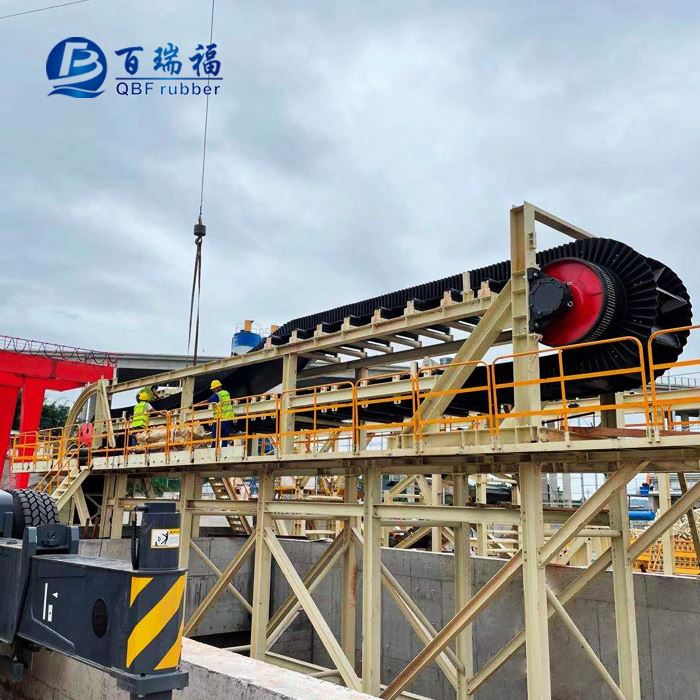
Tips to Extend the Lifespan of Your Sidewall Cleated Belt
- Choose the Right Belt: Make sure you select a belt that is suitable for your specific application. Consider the load, speed, and environment when making your choice. The Sidewall Conveyor Belt Sidewall Conveyor Belt offers a range of options to meet different needs.
- Regular Inspections: Set up a schedule for inspecting the belt. Look for signs of wear, tear, or damage, and address them immediately.
- Proper Cleaning: Keep the belt clean to reduce friction and prevent the build - up of debris.
- Correct Installation: Ensure that the belt is installed correctly. Improper installation can cause uneven wear and premature failure.
Conclusion
So, as you can see, the lifespan of a sidewall cleated belt depends on a variety of factors. By understanding these factors and taking the right steps to maintain the belt, you can get the most out of your investment.
If you're in the market for a sidewall cleated belt or want to learn more about how to extend the lifespan of your existing belt, don't hesitate to reach out. We're here to help you find the perfect belt for your needs and provide you with all the support you need. Let's start a conversation and see how we can make your conveyor system more efficient and cost - effective.
References
- Conveyor Belt Handbook, Industry Standard Publication
- Research Papers on Conveyor Belt Durability, Academic Journals


