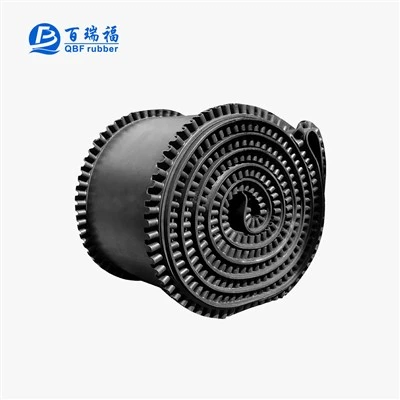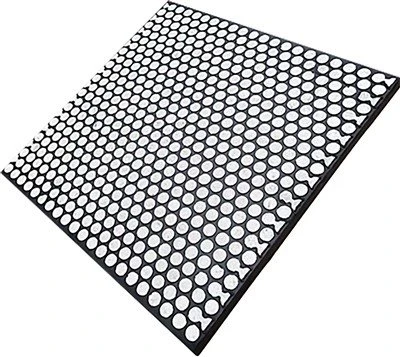
Hey there! As a supplier of Mining Steel Cord Belt, I've seen firsthand the challenges that come with operating in the mining industry. One of the most persistent issues is the impact of dust on these belts. In this blog post, I'll dive into what dust can do to a mining steel cord belt and why it's crucial to understand these effects.
How Dust Gets on the Belt
First off, let's talk about how dust ends up on the belt in the first place. Mines are dusty environments by nature. During the extraction and transportation of minerals, a lot of fine particles get kicked up into the air. These particles then settle on the conveyor belts, including our Mining Steel Cord Belt. Whether it's coal dust, rock dust, or other mineral particles, they all pose a threat to the belt's performance.
Abrasion and Wear
One of the most significant impacts of dust on a mining steel cord belt is abrasion and wear. Dust particles are like tiny sandpaper grains. As the belt moves, these particles rub against the belt's surface. Over time, this constant friction can wear down the rubber cover of the belt. The rubber is there to protect the steel cords inside the belt, which are responsible for providing strength and stability. Once the rubber cover is worn away, the steel cords are exposed to the elements and more likely to corrode.
This abrasion can also lead to uneven wear on the belt. Some areas may wear out faster than others, causing the belt to become unbalanced. An unbalanced belt can lead to all sorts of problems, like excessive vibration, which can further damage the belt and other components of the conveyor system.
Belt Tracking Issues
Dust can also cause problems with belt tracking. Belt tracking refers to the ability of the belt to stay centered on the conveyor rollers. When dust accumulates on the rollers or the belt surface, it can create an uneven surface. This unevenness can cause the belt to drift to one side or the other. If the belt isn't properly tracked, it can rub against the conveyor frame or other components, leading to more wear and tear.
Moreover, dust can also get into the pulley bearings. When this happens, the bearings may not rotate smoothly, which can affect the overall movement of the belt and cause tracking issues. Belt tracking problems can be a real headache for mine operators because they can lead to downtime and costly repairs.
Reduced Belt Flexibility
Another impact of dust on a mining steel cord belt is reduced flexibility. The rubber in the belt needs to be flexible to bend around the pulleys and conform to the shape of the conveyor system. However, when dust particles get embedded in the rubber, they can make the rubber stiffer. A less flexible belt is more prone to cracking and breaking.
Cracks in the belt can start small, but if left untreated, they can grow and eventually lead to a complete belt failure. This can result in significant production losses for the mine. Additionally, a less flexible belt may not be able to handle the stress of heavy loads as effectively, which can further compromise its performance.
Contamination of the Conveyor System
Dust on the belt can also contaminate the entire conveyor system. As the belt moves, dust can fall off onto the rollers, pulleys, and other components. This dust can accumulate over time and cause problems with the operation of these components. For example, dust in the pulley bearings can cause them to overheat and fail. Dust on the rollers can affect their ability to rotate smoothly, which can lead to belt slippage.
Contamination can also make it more difficult to maintain the conveyor system. Cleaning the system becomes a more challenging task, and if the dust is not properly removed, it can continue to cause problems. In some cases, the dust may even contain harmful substances, such as heavy metals or silica, which can pose a health risk to the workers.
Impact on Belt Adhesion
The adhesion between the steel cords and the rubber in a mining steel cord belt is crucial for the belt's performance. Dust can interfere with this adhesion. When dust particles get between the steel cords and the rubber, they can prevent proper bonding. This can lead to delamination, where the rubber separates from the steel cords.
Delamination is a serious problem because it weakens the belt's structure. A belt with delamination issues is more likely to break under stress, which can cause significant disruptions to the mining operation. It's essential to address any signs of delamination as soon as possible to avoid costly repairs and downtime.
Solutions to Mitigate the Impact of Dust
So, what can be done to mitigate the impact of dust on a mining steel cord belt? One solution is to use proper dust control measures in the mine. This can include installing dust collectors, using water sprays to suppress dust, and keeping the work area clean. By reducing the amount of dust in the air, there will be less dust settling on the belt.
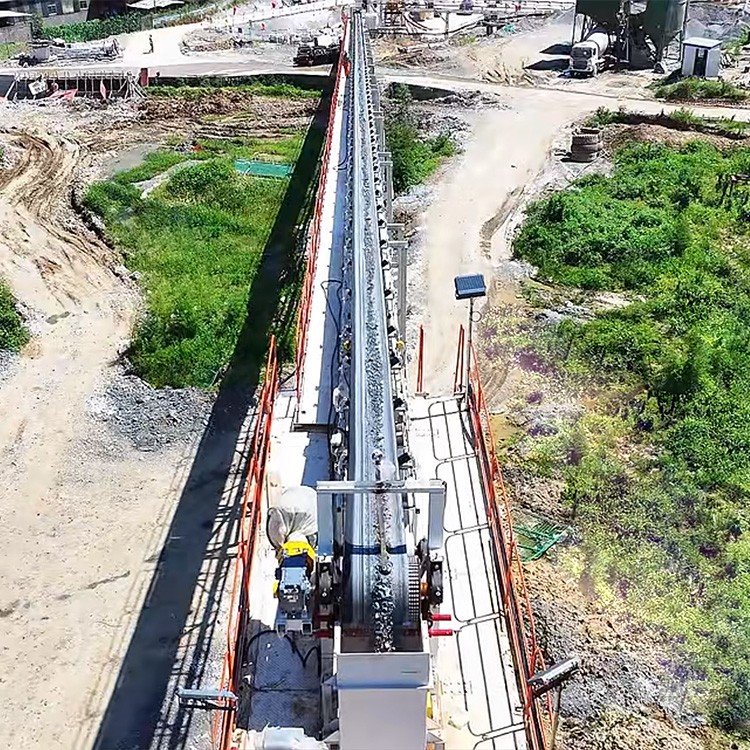

Regular maintenance is also crucial. This includes cleaning the belt and the conveyor system regularly to remove any accumulated dust. Inspecting the belt for signs of wear, abrasion, and other damage can help catch problems early. If any issues are detected, they can be addressed promptly to prevent further damage.
Another option is to use a belt with a more durable rubber cover. Some of our belts, like the Heat Resistant Conveyor Belt and Low Rolling Resistant Steel Cord Conveyor Belt, are designed to be more resistant to abrasion and wear. These belts can better withstand the impact of dust and last longer in a dusty environment.
Conclusion
In conclusion, dust has a significant impact on a mining steel cord belt. It can cause abrasion and wear, belt tracking issues, reduced flexibility, contamination of the conveyor system, and problems with belt adhesion. As a supplier of mining steel cord belts, we understand the importance of addressing these issues. By taking the right measures to control dust and using high-quality belts, mine operators can minimize the impact of dust on their conveyor systems and ensure smooth and efficient operation.
If you're facing challenges with dust and your mining steel cord belt, or if you're looking for a more reliable belt solution, don't hesitate to reach out. We're here to help you find the best belt for your specific needs. Contact us today to start a conversation about your requirements and how we can assist you in improving your conveyor system's performance.
References
- "Conveyor Belt Technology" by John Smith
- "Mining Conveyor Systems: Design and Operation" by Jane Doe
- Industry research reports on mining conveyor belt performance