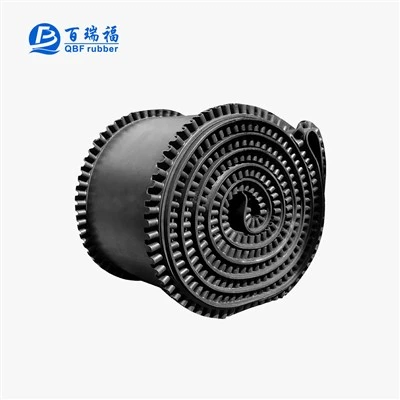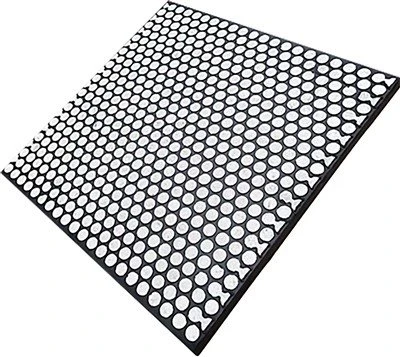
Hey there! As a supplier of steel cord conveyor belts, I'm super excited to dive into what makes up these amazing pieces of equipment. Steel cord conveyor belts are the workhorses of many industries, from mining to manufacturing, and understanding their structure is key to getting the most out of them.
Let's start with the heart of the belt: the steel cords. These are the backbone of the conveyor belt, providing the strength and durability needed to handle heavy loads and long distances. The steel cords are usually made from high - strength steel wires, which are twisted together to form a single cord. These cords are then placed parallel to each other within the belt, running the length of it.
The number and thickness of the steel cords can vary depending on the specific application. For example, in a heavy - duty mining operation, you'll need a belt with a higher number of thicker cords to handle the massive amounts of ore and rock being transported. On the other hand, a less demanding application like a light - manufacturing facility might get away with fewer and thinner cords.
Surrounding the steel cords is the rubber compound. The rubber serves several important functions. First off, it protects the steel cords from external factors such as moisture, abrasion, and corrosion. Moisture can cause the steel to rust, which weakens the cords and shortens the lifespan of the belt. Abrasion from the materials being transported or the conveyor system itself can also wear down the cords over time. The rubber acts as a shield, preventing these issues.
Secondly, the rubber provides a smooth surface for the materials to slide on. This reduces friction, which in turn saves energy and reduces wear and tear on the belt. A well - formulated rubber compound can also improve the grip of the belt on the pulleys, ensuring smooth and efficient operation.
There are different types of rubber compounds used in steel cord conveyor belts, each designed for specific environments and applications. For instance, if you're operating in a high - temperature environment, you might want to consider a Heat Resistant Conveyor Belt. This type of belt has a rubber compound that can withstand high temperatures without losing its integrity or properties.
In areas where there's a risk of fire, a Fire Reisistant Conveyor Belt is a must - have. The rubber in these belts is treated with fire - resistant materials to prevent the spread of flames in case of an accident.
For industries dealing with acids or alkalis, an Acid Alkali Conveyor Belt is the solution. The rubber compound in these belts is resistant to chemical corrosion, ensuring a long service life even in harsh chemical environments.
Another important layer in a steel cord conveyor belt is the topping rubber. This is the outermost layer of the belt that comes into direct contact with the materials being transported. It needs to be tough and abrasion - resistant to handle the constant rubbing and scraping from the load. The thickness of the topping rubber can also vary based on the application. In a mining operation where the ore is rough and abrasive, a thicker topping rubber will be required to withstand the wear.
Now, let's talk about the edge protection. The edges of a steel cord conveyor belt are particularly vulnerable to damage. They can be easily cut or frayed by sharp objects or uneven surfaces. To prevent this, belts often have specially designed edge protection. This can be in the form of additional rubber layers or reinforcement at the edges, which helps to extend the lifespan of the belt.
Some steel cord conveyor belts also feature an anti - static layer. In industries where there's a risk of static electricity buildup, such as in coal mines or the handling of combustible materials, an anti - static layer can prevent dangerous sparks and explosions. This layer is usually made of a conductive material that dissipates static charges safely.
In the mining industry, Mining Steel Cord Belt is a popular choice. These belts are designed to handle the harsh conditions in mines, including heavy loads, abrasion, and rough handling. They often have a higher number of steel cords and thicker rubber layers to ensure reliability and longevity.
If you're looking to reduce energy consumption, a Low Rolling Resistant Steel Cord Conveyor Belt might be the way to go. These belts are engineered to have a lower rolling resistance, which means less energy is needed to move the belt and the materials on it. This can result in significant cost savings over time.
So, there you have it - a breakdown of the structure of a steel cord conveyor belt. As a supplier, I know how important it is to choose the right belt for your specific needs. Whether you need a belt for high - temperature environments, chemical - resistant applications, or heavy - duty mining, there's a steel cord conveyor belt out there for you.
If you're in the market for a steel cord conveyor belt, I'd love to chat with you. Understanding your requirements and finding the perfect belt solution is what I'm all about. Don't hesitate to reach out and start a conversation about your conveyor belt needs. Let's work together to get the best belt for your operation!
References


- Conveyor Belt Handbook, various industry - specific editions
- Technical papers on steel cord conveyor belt technology from leading manufacturers