Hey there! As a supplier of Chevron Conveyor Belts, I've seen my fair share of issues with belt deviation. It's a common problem that can lead to all sorts of headaches, from reduced efficiency to costly downtime. In this blog post, I'm gonna share some tips on how to prevent the deviation of a Chevron Conveyor Belt.
Understanding Chevron Conveyor Belts
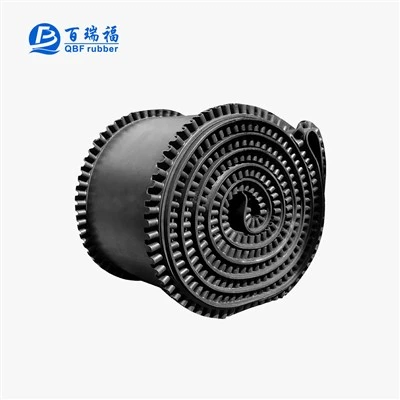
First off, let's quickly talk about what Chevron Conveyor Belts are. These belts have a unique design with chevron-shaped patterns on the surface. This design helps to prevent the material being transported from sliding off the belt, especially on inclined conveyors. You can learn more about them on our Chevron Belt and Chevron Belt pages.

Causes of Belt Deviation
Before we get into the prevention methods, it's important to understand what causes belt deviation in the first place. There are several factors that can contribute to this problem:
1. Improper Installation
If the belt isn't installed correctly, it's bound to cause issues. This includes incorrect tensioning, misaligned pulleys, or uneven mounting of the belt. For example, if the pulleys aren't parallel, the belt will tend to move towards the side with more tension.
2. Uneven Loading
When the material is loaded unevenly onto the belt, it can cause the belt to deviate. This can happen if the feeding mechanism isn't working properly or if the material is being dumped at one side of the belt.
3. Wear and Tear
Over time, the belt can wear out, especially at the edges. This can cause the belt to become uneven and start to deviate. Additionally, if the pulleys or other components of the conveyor system are worn, it can also affect the belt's alignment.
4. External Factors
External factors such as temperature changes, humidity, and vibrations can also cause belt deviation. For example, if the conveyor is located in an area with high humidity, the belt may absorb moisture and expand, leading to misalignment.
Prevention Methods
Now that we know what causes belt deviation, let's look at some ways to prevent it:
1. Proper Installation
The first step in preventing belt deviation is to ensure that the belt is installed correctly. This includes:
- Tensioning: Make sure the belt is tensioned correctly. The tension should be just right - not too tight or too loose. You can use a tension gauge to measure the tension and adjust it accordingly.
- Pulley Alignment: Check the alignment of the pulleys and make sure they are parallel. You can use a laser alignment tool to ensure accurate alignment.
- Belt Mounting: Mount the belt evenly on the pulleys and make sure it is centered. Use a straightedge to check the alignment of the belt edges.
2. Even Loading
To prevent uneven loading, you can:
- Use a Proper Feeding Mechanism: Make sure the feeding mechanism is working properly and is distributing the material evenly across the belt. You may need to adjust the height or angle of the feeder to ensure even loading.
- Install a Spreader: A spreader can be used to distribute the material evenly on the belt. This can help to prevent the belt from deviating due to uneven loading.
3. Regular Maintenance
Regular maintenance is crucial to prevent belt deviation. This includes:
- Inspecting the Belt: Regularly inspect the belt for wear and tear, especially at the edges. If you notice any signs of damage, replace the belt immediately.
- Lubricating the Pulleys: Lubricate the pulleys to reduce friction and prevent wear. This can help to keep the belt running smoothly and prevent deviation.
- Checking the Conveyor System: Check the entire conveyor system, including the pulleys, idlers, and frames, for any signs of damage or misalignment. Make any necessary repairs or adjustments.
4. Controlling External Factors
To minimize the impact of external factors, you can:
- Control the Environment: If possible, control the temperature and humidity in the area where the conveyor is located. You can use air conditioning or dehumidifiers to maintain a stable environment.
- Reduce Vibrations: Install vibration dampeners or anti-vibration mounts to reduce the impact of vibrations on the conveyor system. This can help to prevent belt deviation caused by vibrations.
Monitoring and Adjustment
Even with the best prevention methods in place, it's still important to monitor the belt regularly for any signs of deviation. You can use sensors or visual inspections to detect any changes in the belt's alignment. If you notice any deviation, take immediate action to correct it. This may involve adjusting the tension, realigning the pulleys, or making other necessary repairs.
Conclusion
Preventing the deviation of a Chevron Conveyor Belt is essential for ensuring the smooth operation of your conveyor system. By following the tips outlined in this blog post, you can minimize the risk of belt deviation and extend the lifespan of your belt. Remember, proper installation, even loading, regular maintenance, and controlling external factors are key to preventing this problem.
If you're looking for high-quality Chevron Conveyor Belts or need more information on how to prevent belt deviation, feel free to contact us. We're here to help you find the right solution for your needs.
References
- Conveyor Belt Handbook, Various Authors
- Industrial Conveyor Systems: Design and Operation, Author Name