


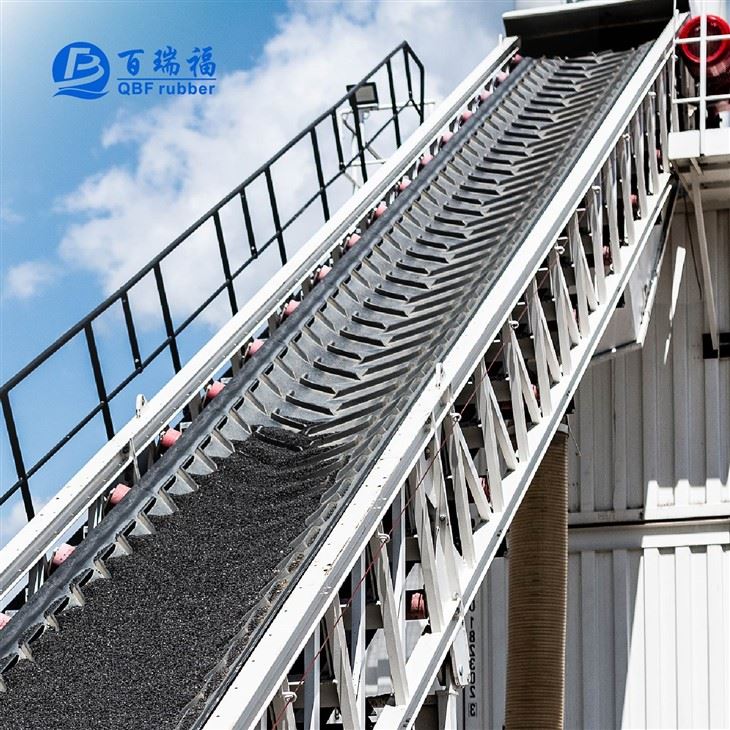


Chevron Belt
Qingdao Best Friend Rubber & Plastic Co., Ltd. is one of the most reliable manufacturers and suppliers of chevron belt in China, also supports customized service. If you're going to buy high quality chevron belt made in China, welcome to get more information from our factory.
Qingdao Best Friend Rubber & Plastic Co., Ltd. : Your Trustworthy Chevron Belt Manufacturer!
Qingdao Best Friend Rubber & Plastic Co., Ltd. (Short as QBF) has been involved in design, manufacturing, engineering and service of bulk conveying system, focusing on the production, research and development of European standard long-life sidewall conveyor belt and other specialized rubber conveyor belt.
Rich Product Variety
Our company can produce sidewall conveyor belts, vertical sidewall conveyor belts, special conveyor belts, wire rope core conveyor belts, fabric core conveyor belts, herringbone conveyor belts, tubular conveyor belts, etc.
Wide Range of Uses
Our products are widely used in mining, metallurgy, electricity, chemical industry, tunnels, ports and other industries, providing innovative and efficient solutions for bulk material transportation.
Customizable
Our company can provide OEM/ODM services, and we can also provide customers with technical diagnosis, conveying system design, installation, engineering maintenance, spare parts, dust removal systems, various conveyor belts and other full-service.
Wide Market Sales
Our products are exported to more than 50 countries and regions around the world, replacing 90% of imported conveyor belts in China.

What is Chevron Belt
Chevron conveyor belts have rubber cleats that are integrally vulcanized with the top cover of the belt. These profiles are made with highly abrasion resistant rubber types and are offered in softer compounds (45 to 50 Shore hardness) as also 60 shore materials. The profiles are shaped in such a manner that there is no need for special idlers and these can be run on conventional conveyors. The pitch between two cleats ensures a smooth ride over return idlers.
Features of Chevron Belt
Increasing output
Machines can perform tasks much more swiftly than humans can. If you use a chevron belt to move your goods, you won't have to worry about your workers' speed or ability to lift heavy loads. Alternatively, you can utilize machinery that can easily transport hundreds of pounds of items and make deliveries in seconds. Lifting and moving more materials faster is possible with this relatively straightforward belt conveyor upgrade.
A Heightened Ability to Move
Being unable to get to certain areas of a new site can put you in a problem. The chevron belts' lightweight construction allows them to reach inaccessible areas, even in the roughest terrain. The Chevron belt come in a variety of styles, and some of them may even be operated by a single person or from a distance, freeing up your staff to focus on the task at hand rather than wrestling with heavy machinery.
Producing Cost-Savings
The Chevron Belt will help you save a lot of money because of their increased productivity and reduced risk of workplace injuries. You can perform more work in less time and position yourself strategically, despite any topography or landscape features that would typically render specific spots inaccessible. This allows you to reach where you need to go without bothersome roadblocks.
Key Factors to Consider When Choosing the Chevron Belt
Material Compatibility
The first consideration when choosing a Chevron belt is the type of material it will be handling. Different materials have varying properties, such as abrasiveness, moisture content, and temperature sensitivity. Ensure that the selected belt material is compatible with the substances it will transport to prevent premature wear and tear.
Angle of Inclination
Chevron conveyor belts are specifically designed for conveying materials on inclined surfaces. The angle of inclination plays a crucial role in determining the appropriate Chevron pattern and cleat height. Higher angles require deeper V-shaped cleats to prevent material slippage. Assess the angle of inclination of your conveyor system to select the most suitable Chevron belt design.
Belt Width and Length
The dimensions of the conveyor belt, including width and length, should align with the operational requirements of the conveyor system. Consider the width of the material being conveyed and the available space within the facility to determine the optimal belt size. Additionally, ensure that the selected belt length accommodates the intended conveyor route without excessive tension or sagging.
Operating Conditions
Evaluate the environmental and operational conditions in which the Chevron conveyor belt will be deployed. Factors such as temperature extremes, humidity levels, exposure to chemicals, and outdoor use can impact the choice of belt material and construction. Select belts with suitable resistance to abrasion, tearing, and degradation to withstand the anticipated operating conditions effectively.
Load Capacity and Speed
Determine the load capacity and conveying speed requirements of the conveyor system to select a Chevron belt with appropriate strength and durability. Overloading the belt beyond its capacity or operating at excessively high speeds can lead to accelerated wear, reduced efficiency, and potential safety hazards. Consult with belt manufacturers to ensure compatibility with your specific load and speed requirements.
Maintenance and Serviceability
Consider the ease of maintenance and serviceability when choosing a Chevron conveyor belt. Opt for belts that facilitate quick and convenient access for cleaning, inspection, and repair tasks. Additionally, inquire about the availability of spare parts and technical support from the manufacturer to ensure timely maintenance and minimize downtime.
Reduction of Material Spill
Cleat Design: The raised sections (cleats) in conjunction with the chevron pattern help in holding the material firmly on the belt, reducing spillage and ensuring that materials reach their destination without loss.
Improved Load Carrying Capacity
Strength and Durability: Chevron conveyor belt material is designed to support heavier loads due to its strength and durability. This enhances the load-carrying capacity of cleated belt conveyors, making them suitable for heavy-duty applications.
Energy Efficiency
Reduced Slippage: The material's grip reduces slippage, which in turn minimizes energy loss. This leads to more energy-efficient operations, which is especially important in large-scale industrial processes.
Noise Reduction
Smoother Operation: The quality and design of chevron belt material can also contribute to quieter operation, which is beneficial in environments where noise reduction is a priority.
Impact of Material Choice on Functionality
Chevron conveyor belt material plays a crucial role in the design and function of cleated belt conveyors, which are widely used in various industries for transporting materials at steep inclines. Here's an overview of the importance and role of this material:
Enhanced Grip and Traction
Chevron Patterns: The unique V-shaped chevron patterns on the conveyor belt material provide excellent grip, preventing materials from sliding back, especially on steep inclines. This is essential for maintaining a continuous flow of materials in cleated belt conveyors.
Material Handling Efficiency: The chevron design enhances the conveyor's ability to handle various materials, including loose or bulk materials like grains, sand, coal, and more.
Material Compatibility
Rubber and Synthetic Compounds: Chevron conveyor belts are typically made from high-quality rubber or synthetic compounds, making them durable and resistant to wear and tear. This ensures longevity and reduces maintenance needs.
Versatility: The material is also resistant to oils, chemicals, and weather conditions, making it suitable for diverse industrial applications, from agriculture to mining.
Impact on Conveyor Design
Customization: The material allows for customization of the chevron pattern (size, shape, and angle) to match specific conveyor design requirements. This adaptability is critical in ensuring the conveyor's effectiveness in various operational environments.
Belt Flexibility: The flexibility of the chevron material is vital for the conveyor belt to conform to different angles and contours, making it efficient in transporting materials over uneven terrain.
Chevron Belt Tracking Troubleshooting
Conveyor Frame
If your conveyor frame is crooked or slanted, it could be misguiding your belt. Check your framework from all angles to ensure the frame is level and square.
Snub Rollers
These rollers create more tension in your belt and make contact with every pulley in the system. Tenison is crucial to tracking, so your snub rollers should align with your frame and apply enough tension to the belt.
Belt Cutting
Conveyor belts can be cut incorrectly during manufacturing, making them crooked. No matter how well the rest of your system runs, a crooked belt will cause tracking errors.
Cleanliness
Buildup on the belt and pulleys can cause the belt to sway one way or another. Make sure all parts of your conveyor are clean to ensure a smooth run and prevent failure.
False Crowns
Conveyor belts move a variety of items, and sometimes the material can snag or get stuck on a pulley. You can find crowns on the center of your end pulleys that distribute force to each side of the belt and help it stay on track. If a piece of debris gets lodged in another pulley, it can create a fake crown and redistribute weight where you don't need it. Check to see if your pulleys are clear of debris to avoid this.
How to Maintain Chevron Belt
Track Conveyor Belt Properly
When an antiquated chevron belt is attached to a conveyor system, the system gradually changes as a result. To return it to its original specifications, in this case, you must make the necessary changes before installing the replacement belt onto the conveyor track. After correct positioning and tightening chevron conveyor belts, carefully run the belt and, if necessary, make tracking adjustments.
Adjusting In A Right Way Is Crucial For A Chevron Conveyor Belt
To make sure the conveyor is square and precisely level before installing a new chevron belt, carefully inspect it. By adjusting them, you may bring all chevron conveyor pulleys back to square. If your conveyor belt system has idler rollers, check that they are all rotating correctly and are positioned squarely against the appropriate pulley frame.
Protect Chevron Conveyor Belt From Enviornmental Wear And Tear!
Conveyor belts are frequently kept on hand by businesses in their manufacturing facilities in case of emergency belt breakdown. If you correctly store these spare conveyor belts, it will help prevent damage. Smaller conveyor belts can be sealed in plastic bags to protect them from contamination, moisture, and lightness.
Certificate


Frequently Asked Questions
Hot Tags: chevron belt, China chevron belt manufacturers, suppliers, factory, conveyor belt for product transport, conveyor belt for airports, conveyor belt for food processing, conveyor belt for product counting, conveyor belt for product distribution, conveyor belt for product tracking
Previous
No InformationNext
Chevron BeltYou Might Also Like


Send Inquiry