


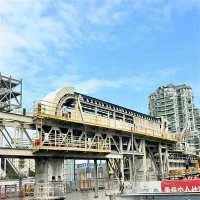


Steel Cord Belt
Qingdao Best Friend Rubber & Plastic Co., Ltd. is one of the most reliable manufacturers and suppliers of steel cord belt in China, also supports customized service. If you're going to buy high quality steel cord belt made in China, welcome to get more information from our factory.
Qingdao Best Friend Rubber & Plastic Co., Ltd. : Your Trustworthy Steel Cord Belt Manufacturer!
Qingdao Best Friend Rubber & Plastic Co., Ltd. (Short as QBF) has been involved in design, manufacturing, engineering and service of bulk conveying system, focusing on the production, research and development of European standard long-life sidewall conveyor belt and other specialized rubber conveyor belt.
Rich Product Variety
Our company can produce sidewall conveyor belts, vertical sidewall conveyor belts, special conveyor belts, wire rope core conveyor belts, fabric core conveyor belts, herringbone conveyor belts, tubular conveyor belts, etc.
Wide Range of Uses
Our products are widely used in mining, metallurgy, electricity, chemical industry, tunnels, ports and other industries, providing innovative and efficient solutions for bulk material transportation.
Customizable
Our company can provide OEM/ODM services, and we can also provide customers with technical diagnosis, conveying system design, installation, engineering maintenance, spare parts, dust removal systems, various conveyor belts and other full-service.
Wide Market Sales
Our products are exported to more than 50 countries and regions around the world, replacing 90% of imported conveyor belts in China.


What is Steel Cord Belt
Steel cord conveyor belts are highly wear-resistant and used principally for long-haul conveying, heavy loads and physically demanding applications. They are especially suitable for high-mass or high-volume flows and for abrasive materials.
Features of Steel Cord Belt
High Tensile Strength
One of the primary benefits of Steel Cord Belt is their high tensile strength. The steel cords embedded within the rubber provide exceptional resistance to stretching and breaking, allowing the belts to carry heavy loads over long distances. This high tensile strength ensures that the belts can withstand the rigorous demands of industrial operations without compromising performance.
Durability and Longevity
The combination of high-tensile steel cords and specially formulated rubber makes Steel Cord Belt highly durable. These belts are designed to resist wear and tear, ensuring a long service life even in harsh operating conditions. The superior durability of Steel Cord Belt translates to reduced maintenance costs and less frequent replacements, providing significant cost savings for businesses.
Resistance to Abrasion and Impact
Steel Cord Belt is engineered to withstand the harsh conditions commonly found in industrial environments. The rubber used in these belts provides excellent resistance to abrasion and impact, protecting the steel cords from damage and ensuring the belt's structural integrity. This resistance to abrasion and impact makes Dunlop steel cord belts ideal for applications involving sharp or abrasive materials.
Heat and Chemical Resistance
Industrial applications often involve exposure to high temperatures and harsh chemicals. Steel Cord Belt is designed to resist these conditions, maintaining their performance and durability even in challenging environments. The heat and chemical resistance of these belts ensures reliable operation and extends their service life, reducing the need for frequent replacements.
Flexibility and Adaptability
Despite their high tensile strength and durability, Steel Cord Belt is highly flexible and adaptable. They can be used in a variety of conveyor configurations, including horizontal, inclined, and curved systems. This flexibility makes Steel Cord Belt suitable for a wide range of applications, providing reliable performance in diverse industrial settings.
Guide to Steel Cord Belt Construction
Carcass
The carcass is the core structure of the conveyor belt, primarily composed of high-tensile steel cords. These steel cords are longitudinally embedded in the belt, providing the necessary tensile strength to support heavy loads. The carcass is designed to withstand extreme stress and prevent elongation, ensuring the belt remains stable during operation.
Steel Cords
Steel cords are the backbone of the belt, made from high-tensile steel wires twisted together to form strong, flexible strands. These cords are spaced uniformly across the width of the belt, providing even support and reducing the risk of belt deformation. The steel cords are typically coated with zinc to enhance their resistance to corrosion and wear.
Top and Bottom Covers
The top and bottom covers are made from high-quality rubber compounds, designed to protect the steel cords from damage and wear. The top cover is generally thicker to withstand the abrasion and impact from the transported materials, while the bottom cover is thinner but still provides essential protection against friction with conveyor components. The rubber compounds used in the covers are selected for their resistance to cuts, gouges, and chemicals.
Adhesion Layers
Adhesion layers, also known as bonding layers, are placed between the steel cords and the rubber covers. These layers ensure a strong bond between the different components, preventing delamination and maintaining the structural integrity of the belt. High adhesion strength is vital for the belt's durability and performance under heavy loads.
Types of Steel Cord Belt
Standard Steel Cord Conveyor Belts
These are the most commonly used steel cord conveyor belts. They have a rubber cover to protect the steel cords and are suitable for a wide range of applications.
Heat Resistant Steel Cord Conveyor Belts
These belts are designed to withstand high temperatures and are used in industries such as steel manufacturing, cement plants, and foundries.
Flame Resistant Steel Cord Conveyor Belts
These belts are specially designed for use in underground mines where they may encounter explosive gases.
Longevity and Maintenance Strategies For Steel Cord Belt
Regular Inspections
Conducting regular inspections is crucial for identifying potential issues before they become major problems. Inspections should include checking for signs of wear, damage, misalignment, and tension. Any detected issues should be addressed promptly to prevent further deterioration. Regular inspections help ensure the belt remains in good condition and operates efficiently.
Proper Tensioning
Maintaining the correct tension is vital for the performance and longevity of steel cord conveyor belts. Over-tensioning can lead to excessive wear and damage, while under-tensioning can cause slippage and misalignment. Regularly checking and adjusting the tension ensures the belt operates smoothly and reduces the risk of premature failure.
Cleaning and Lubrication
Keeping the conveyor system clean and well-lubricated is essential for reducing wear and preventing the buildup of debris that can damage the belt. Regular cleaning removes dirt, dust, and other contaminants that can cause abrasion. Lubricating the moving parts of the conveyor system reduces friction and wear, extending the life of the belt and associated components.
Monitoring Splice Integrity
The joints or splices are critical points in steel cord conveyor belt construction. Regularly monitoring the integrity of these splices is important for preventing belt failure. Inspections should include checking for signs of wear, separation, or damage at the splice points. Any issues should be addressed immediately to maintain the belt's integrity and performance.
Timely Repairs and Replacements
Addressing any damage or wear promptly is crucial for maintaining the longevity of steel cord conveyor belts. Small issues, if left unattended, can escalate into major problems that require costly repairs or complete belt replacements. Implementing a proactive maintenance schedule that includes timely repairs and replacements ensures the belt remains in optimal condition and reduces the risk of unexpected downtime.
How to Choose Steel Cord Belt
Consider Your Requirements
The first thing to keep in mind when choosing steel cord conveyor belts is your specific requirements. Consider the type of material you will be handling, the weight and size of the load, the distance the belt needs to travel, and other factors that may impact the performance of the conveyor belt. This will help you determine the specifications and features you need in the belt.
Quality and Performance
Another crucial aspect to consider while selecting steel cord conveyor belts is their quality and performance. Always opt for high-quality belts manufactured by reliable suppliers. Check for certifications, such as ISO, and ensure that the belt meets industry standards. Additionally, consider the performance specifications such as the maximum operating tension, flexibility, load capacity, and durability.
Maintenance and Service
Maintenance and service are vital for the long-term performance and life of conveyor belts. Therefore, choose a steel cord conveyor belt that requires minimal maintenance and can be serviced easily. Always consider purchasing belts from suppliers who provide technical support and after-sales service.
Certificate


Frequently Asked Questions
Hot Tags: steel cord belt, China steel cord belt manufacturers, suppliers, factory, conveyor belt distributor, conveyor belt for sorting products, conveyor belt splicing, wholesale steel cord conveyor belt, conveyor belt for automated products, conveyor belt cleaner
You Might Also Like



Send Inquiry