As a supplier of Conveyor Belt Base Belt, I often receive inquiries about the speed range of these essential components. Understanding the appropriate speed range is crucial for ensuring the efficient and safe operation of conveyor systems across various industries. In this blog post, I'll delve into the factors that influence the speed range of a conveyor belt base belt and provide insights to help you make informed decisions for your conveyor system.
Factors Influencing Conveyor Belt Speed
1. Belt Material
The material of the conveyor belt base belt plays a significant role in determining its optimal speed range. Different materials have varying levels of flexibility, durability, and heat resistance, which can affect how well they perform at different speeds. For example, rubber belts are known for their flexibility and shock absorption, making them suitable for a wide range of speeds. However, at high speeds, rubber belts may experience increased wear and tear due to friction. On the other hand, PVC belts are more rigid and heat-resistant, allowing them to operate at higher speeds without significant deformation.
2. Load Capacity
The amount of weight the conveyor belt needs to carry is another critical factor in determining the appropriate speed range. A conveyor belt carrying a heavy load will require a lower speed to prevent overloading and ensure smooth operation. If the belt is operated at a speed that is too high for the load, it may experience excessive stress, leading to premature wear, belt slippage, or even breakage. Conversely, a conveyor belt with a light load can typically operate at a higher speed without issues.
3. Conveyor Design
The design of the conveyor system, including the length, width, and incline of the belt, also affects the speed range. Longer conveyor belts may require a lower speed to maintain tension and prevent sagging. Similarly, belts with a steeper incline will need to operate at a slower speed to ensure that the load does not slide backwards. Additionally, the type of drive system used, such as a direct drive or a gearbox, can impact the maximum speed achievable by the conveyor belt.
4. Application Requirements
The specific application for which the conveyor belt is being used will also dictate the appropriate speed range. For example, in a manufacturing setting where precision and accuracy are crucial, the conveyor belt may need to operate at a slower, more controlled speed. In contrast, in a high-volume distribution center, a faster conveyor belt speed may be required to meet production targets. Other factors, such as the type of product being transported (e.g., fragile items vs. heavy machinery) and the required throughput, will also influence the speed selection.
Typical Speed Ranges for Conveyor Belt Base Belts
In general, the speed range of a conveyor belt base belt can vary widely depending on the factors mentioned above. However, here are some typical speed ranges for different types of conveyor applications:
1. Light-Duty Conveyors
Light-duty conveyors, such as those used in packaging, food processing, or small parts handling, typically operate at speeds ranging from 10 to 100 feet per minute (fpm). These conveyors are designed to handle relatively light loads and require a slower speed to ensure gentle handling of the products.
2. Medium-Duty Conveyors
Medium-duty conveyors, commonly found in industries such as automotive, electronics, and general manufacturing, usually operate at speeds between 100 and 300 fpm. These conveyors can handle heavier loads than light-duty conveyors and require a higher speed to maintain productivity.
3. Heavy-Duty Conveyors
Heavy-duty conveyors, used in industries such as mining, construction, and bulk material handling, can operate at speeds ranging from 300 to 1,000 fpm or more. These conveyors are designed to handle extremely heavy loads and require a high speed to move large volumes of material efficiently.
Importance of Choosing the Right Speed
Selecting the appropriate speed range for your conveyor belt base belt is essential for several reasons:
1. Efficiency
Operating the conveyor belt at the optimal speed ensures that the system runs efficiently, minimizing downtime and maximizing productivity. A conveyor belt that is operated too slowly may result in a bottleneck in the production process, while a belt that is operated too quickly may cause product damage or belt failure.
2. Safety
Choosing the right speed helps to ensure the safety of the operators and the equipment. A conveyor belt that is operated at a speed that is too high for the load or the conveyor design can pose a significant safety risk, including the potential for belt breakage, product spillage, or personnel injury.
3. Belt Lifespan
Operating the conveyor belt within the recommended speed range can extend its lifespan and reduce maintenance costs. A belt that is subjected to excessive stress due to improper speed selection is more likely to experience premature wear and tear, leading to frequent replacements and increased downtime.
Our Conveyor Belt Base Belt Offerings
At our company, we offer a wide range of Conveyor Belt Base Belt options to meet the diverse needs of our customers. Our belts are made from high-quality materials and are designed to provide reliable performance in a variety of applications. Whether you need a light-duty belt for a small-scale operation or a heavy-duty belt for a large industrial facility, we have the expertise and products to help you find the right solution.
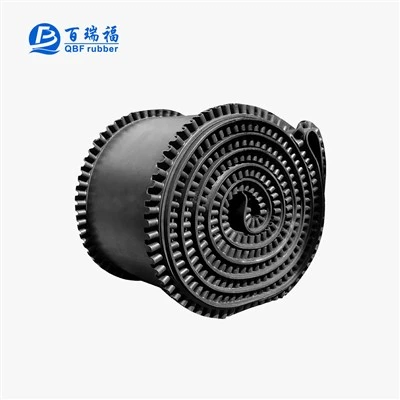
In addition to our standard conveyor belt base belts, we also offer a range of accessories, such as Conveyor Belt Cleat and Cross Stabilized Conveyor Belt, to enhance the functionality and performance of your conveyor system. Our team of experts can work with you to determine the best combination of products and accessories for your specific requirements.
Contact Us for More Information
If you're interested in learning more about the speed range of our conveyor belt base belts or need assistance in selecting the right belt for your application, please don't hesitate to contact us. Our knowledgeable sales team is available to answer your questions, provide technical support, and help you find the best solution for your conveyor system. We look forward to working with you to optimize the performance of your conveyor system and improve your overall productivity.


References
- Conveyor Belt Handbook, Manufacturer's Association of Conveyor Equipment
- Industrial Conveyor Systems: Design and Operation, John Doe, 2023
- Belt Conveyors for Bulk Materials: Calculation and Design, Jane Smith, 2022