Hey there! I'm a supplier of Mining Steel Cord Belt, and today I'm gonna walk you through how to install and monitor the temperature sensor of a mining steel cord belt conveyor. This is super important because it helps keep your conveyor running smoothly and safely.
Why Temperature Monitoring Matters
Before we dive into the installation and monitoring process, let's talk about why temperature monitoring is a big deal. In a mining environment, steel cord belt conveyors are constantly under heavy loads and high stress. Friction between the belt and other components, as well as the material being transported, can generate a lot of heat. If the temperature gets too high, it can cause damage to the belt, like reducing its strength and increasing the risk of belt breakage. Plus, overheating can also lead to other issues such as bearing failures and fire hazards. So, by monitoring the temperature, we can catch potential problems early and take preventive measures.
Choosing the Right Temperature Sensor
The first step in this process is to choose the right temperature sensor. There are a few different types available, and the one you pick depends on your specific needs.
- Thermocouples: These are pretty common. They're simple, reliable, and can measure a wide range of temperatures. They work by generating a voltage that's proportional to the temperature difference between two junctions.
- RTDs (Resistance Temperature Detectors): RTDs are known for their high accuracy. They measure temperature based on the change in electrical resistance of a metal wire. They're a bit more expensive than thermocouples but offer better precision.
- Infrared Sensors: These sensors measure temperature without actually touching the object. They detect the infrared radiation emitted by the belt or other components. They're great for getting quick temperature readings from a distance.
When choosing a sensor, think about factors like the temperature range you need to measure, the accuracy required, and the environment where the sensor will be installed. For example, if your conveyor operates in a dusty or dirty environment, you might want a sensor that's protected against contaminants.
Installation Process
Once you've got your temperature sensor, it's time to install it. Here's a step-by-step guide:
- Select the Installation Location: The location of the sensor is crucial. You want to place it where it can accurately measure the temperature of the belt or the component you're interested in. A common location is near the drive pulley or the idlers, as these are areas where friction and heat are likely to build up. Make sure the sensor is installed in a way that it won't be damaged by the moving parts of the conveyor.
- Prepare the Surface: If you're installing a contact-type sensor (like a thermocouple or an RTD), you need to prepare the surface where the sensor will be attached. Clean the surface to remove any dirt, grease, or debris. This ensures good thermal contact between the sensor and the object being measured.
- Mount the Sensor: Use the appropriate mounting hardware to attach the sensor to the surface. This could be screws, clamps, or adhesive, depending on the type of sensor and the surface material. Make sure the sensor is firmly attached and that there's good contact between the sensor and the object.
- Connect the Wires: Connect the sensor wires to the monitoring system. Follow the manufacturer's instructions carefully to ensure proper wiring. Make sure the connections are secure and that there's no risk of short circuits.
- Test the Sensor: Once the sensor is installed and wired, test it to make sure it's working properly. You can do this by comparing the readings from the sensor with a known temperature source or by using a calibration tool.
Monitoring the Temperature
After the sensor is installed, it's time to start monitoring the temperature. Here are some tips on how to do it effectively:
- Set Up a Monitoring System: You can use a dedicated temperature monitoring system or a programmable logic controller (PLC) to monitor the sensor readings. Set up the system to display the temperature readings in real-time and to send alerts if the temperature exceeds a certain threshold.
- Regularly Check the Readings: Make it a habit to check the temperature readings regularly. Look for any trends or changes in the temperature over time. If you notice a sudden increase in temperature, it could be a sign of a problem.
- Keep Records: Keep a record of the temperature readings. This can help you identify patterns and troubleshoot issues. You can use a spreadsheet or a database to store the data.
- Perform Maintenance: Regular maintenance is essential to keep the temperature sensor and the monitoring system working properly. Clean the sensor regularly to remove any dirt or debris that could affect its accuracy. Check the wiring and connections for any signs of damage or wear.
Additional Considerations
Here are a few more things to keep in mind when installing and monitoring the temperature sensor of a mining steel cord belt conveyor:
- Safety: Always follow safety procedures when working on the conveyor. Make sure the conveyor is stopped and locked out before installing or servicing the sensor. Wear appropriate personal protective equipment (PPE).
- Compatibility: Make sure the temperature sensor is compatible with your existing conveyor system and monitoring equipment. Check the specifications and consult with the manufacturer if necessary.
- Training: Make sure your staff is trained on how to install, operate, and maintain the temperature sensor and the monitoring system. This will help ensure that the system is used correctly and that any issues are detected and addressed promptly.
Related Products
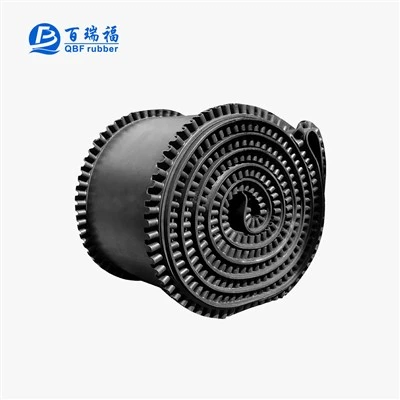
As a Mining Steel Cord Belt supplier, we also offer other types of conveyor belts that might be of interest to you. Check out our Steel Cord Belt, Anti-stick Conveyor Belt, and Oil Resistant Conveyor Belt. These belts are designed to meet the specific needs of the mining industry and can help improve the performance and reliability of your conveyor system.


Conclusion
Installing and monitoring the temperature sensor of a mining steel cord belt conveyor is an important part of keeping your conveyor system running smoothly and safely. By choosing the right sensor, installing it correctly, and monitoring the temperature regularly, you can prevent potential problems and extend the life of your conveyor. If you have any questions or need more information about our products or services, don't hesitate to reach out. We're here to help you make the most of your conveyor system.
References
- "Conveyor Belt Technology Handbook"
- Manufacturer's documentation for temperature sensors and monitoring systems
- Industry standards and guidelines for mining conveyor systems