Hey there! I'm a supplier of Fabric Conveyor Belts, and I've been in this industry for quite a while. Over the years, I've seen a growing demand for energy - efficient conveyor belt systems. In this blog, I'm gonna share some tips on how to design an energy - efficient fabric conveyor belt system.
1. Choose the Right Belt Material
The first step in designing an energy - efficient fabric conveyor belt system is picking the right belt material. You want a belt that's lightweight yet strong enough to handle the load. Lightweight belts require less energy to move, which directly translates to lower energy consumption.

Fabric conveyor belts come in various materials, such as polyester, nylon, and cotton. Polyester belts are a great choice because they have high tensile strength and low stretch. This means they can carry heavy loads without sagging too much, reducing the energy needed to keep the belt moving smoothly. Nylon belts are also good as they're very durable and resistant to abrasion. Cotton belts, on the other hand, are more flexible but may not be as strong as polyester or nylon for heavy - duty applications.
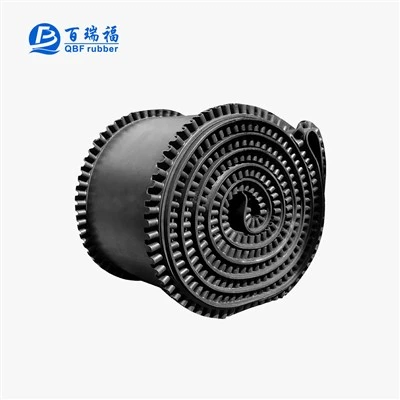
Check out Textile Conveyor Belt for more information on different types of fabric conveyor belts.
2. Optimize the Belt Design
The design of the belt itself can have a big impact on energy efficiency. A well - designed belt will have a smooth surface to reduce friction. When there's less friction between the belt and the rollers or pulleys, less energy is wasted in overcoming that resistance.
You also need to consider the belt's width and thickness. A wider belt may be able to carry more material at once, but it also adds more weight and may increase friction. So, you need to find the right balance based on your specific application. If you're moving small, lightweight items, a narrower belt might be more energy - efficient.
In addition, the edges of the belt should be properly finished. Rough or frayed edges can cause additional friction and even damage to the belt over time. Make sure the edges are smooth and well - sealed to ensure a long - lasting and energy - efficient belt.
3. Select the Appropriate Rollers and Pulleys
Rollers and pulleys play a crucial role in the operation of a conveyor belt system. You want to choose high - quality rollers and pulleys that are well - balanced and have low - friction bearings.
Low - friction bearings reduce the amount of energy needed to rotate the rollers and pulleys. When the bearings are smooth, the belt can move more freely, which saves energy. You should also consider the diameter of the rollers and pulleys. Larger - diameter rollers generally require less energy to turn compared to smaller - diameter ones, as they have a greater moment of inertia.
Another important factor is the spacing between the rollers. If the rollers are too far apart, the belt may sag, increasing friction and energy consumption. On the other hand, if they're too close together, it can add unnecessary weight and cost to the system. So, you need to find the optimal roller spacing for your application.
4. Implement a Proper Tensioning System
A proper tensioning system is essential for an energy - efficient conveyor belt system. If the belt is too loose, it can slip on the pulleys, which not only wastes energy but also causes uneven wear on the belt. On the other hand, if the belt is too tight, it can put excessive stress on the rollers, bearings, and the belt itself, leading to premature failure and higher energy consumption.
There are different types of tensioning systems available, such as manual and automatic. Automatic tensioning systems are more expensive but offer better control. They can adjust the tension of the belt in real - time based on the load and operating conditions, ensuring optimal energy efficiency at all times.
5. Use Energy - Efficient Motors
The motor is the heart of the conveyor belt system, and choosing an energy - efficient motor can make a huge difference. Look for motors with high efficiency ratings. These motors convert more of the electrical energy they consume into mechanical energy, which is used to move the belt.
Variable frequency drives (VFDs) are also a great addition to the motor. VFDs allow you to control the speed of the motor based on the actual load. For example, if the conveyor is not fully loaded, you can reduce the motor speed, which saves energy. When the load increases, the VFD can increase the motor speed to meet the demand.
6. Regular Maintenance
Regular maintenance is key to keeping your conveyor belt system energy - efficient. You need to clean the belt regularly to remove any dirt, debris, or spillage. These can increase friction and make the belt work harder, consuming more energy.
Inspect the rollers, pulleys, and bearings for wear and tear. Replace any damaged or worn - out parts promptly. A worn - out bearing or a damaged roller can cause the belt to operate inefficiently and may even lead to a breakdown.
Also, check the tension of the belt regularly. Over time, the belt may stretch, and the tension may change. Make sure to adjust the tension as needed to keep the system running smoothly.
7. Consider the Layout of the Conveyor System
The layout of the conveyor system can also affect energy efficiency. Try to keep the conveyor path as straight and short as possible. Curves and bends in the conveyor require additional energy to change the direction of the belt.
If you need to have multiple conveyors in a system, make sure they're properly coordinated. For example, if one conveyor feeds into another, ensure that the transfer between the two is smooth. This can prevent jams and reduce the energy needed to move the material from one conveyor to the next.
8. Monitor and Analyze Energy Consumption
Finally, it's important to monitor and analyze the energy consumption of your conveyor belt system. You can use energy meters to measure how much energy the system is using at different times and under different loads.
By analyzing this data, you can identify areas where energy is being wasted. For example, if you notice that the energy consumption is much higher during a certain part of the day, you can investigate the cause. It could be due to a malfunctioning component or an inefficient operating mode.
Once you've identified the problems, you can take steps to fix them and improve the overall energy efficiency of the system.
If you're interested in designing an energy - efficient fabric conveyor belt system for your business, I'd love to have a chat with you. We can discuss your specific requirements and come up with a customized solution that meets your needs and helps you save on energy costs.
References
- "Conveyor Belt Handbook" - A comprehensive guide on conveyor belt design and operation.
- Industry reports on energy - efficient conveyor systems from leading research firms.