

As a seasoned supplier of Sidewall Conveyor Belts, I've encountered numerous inquiries regarding the viability of using these belts for transporting sticky materials. This blog aims to delve into this topic comprehensively, providing insights based on industry knowledge and practical experience.
Understanding Sidewall Conveyor Belts
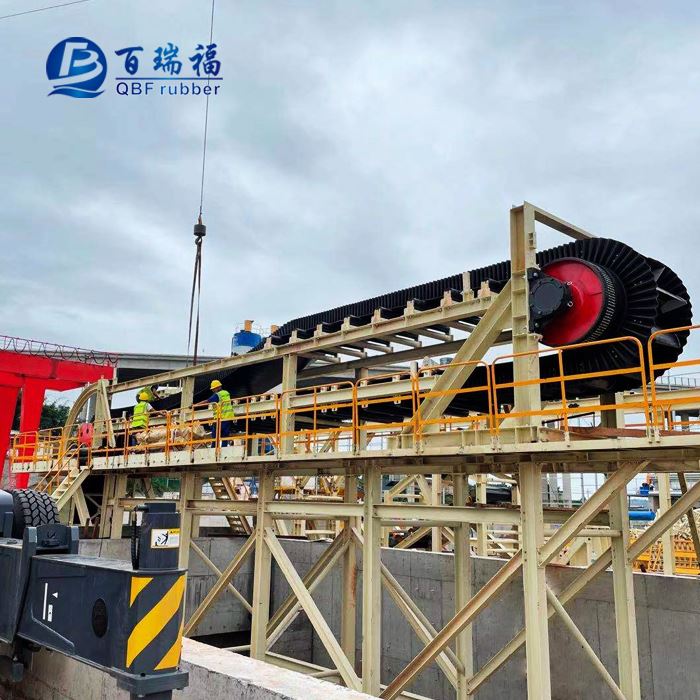
Sidewall Conveyor Belts, also known as Sidewall Belt, are designed with vertical sidewalls and cross cleats, which allow them to handle materials on steep inclines and even vertically. These belts are widely used in various industries, including mining, agriculture, and manufacturing, due to their ability to efficiently transport bulk materials over different terrains and distances.
The sidewalls and cleats prevent the materials from spilling off the belt, ensuring a smooth and continuous flow of materials. However, when it comes to sticky materials, the situation becomes more complex.
Challenges of Transporting Sticky Materials
Sticky materials, such as wet clay, sludge, and some types of food products, pose several challenges for conveyor belts. Firstly, the stickiness can cause the material to adhere to the belt surface, leading to build - up over time. This build - up not only increases the weight on the belt, which can lead to excessive wear and tear, but also affects the belt's performance. It can cause the belt to run unevenly, potentially leading to misalignment and premature failure.

Secondly, sticky materials can also get trapped in the sidewalls and cleats of the conveyor belt. This can interfere with the proper functioning of the sidewalls, reducing their ability to contain the materials effectively. As a result, there may be increased spillage, which is not only wasteful but also creates a safety hazard in the workplace.
Can Sidewall Conveyor Belts Be Used for Transporting Sticky Materials?
The answer is yes, but with certain considerations and adaptations. Our company offers Anti - stick Sidewall Conveyor Belt, which are specifically designed to address the challenges associated with sticky materials.
Anti - stick Coatings
One of the key features of our anti - stick sidewall conveyor belts is the use of special anti - stick coatings. These coatings are applied to the belt surface and sidewalls to reduce the adhesion of sticky materials. The coatings work by creating a smooth, low - friction surface that makes it difficult for the materials to stick. They are formulated to withstand the harsh conditions of industrial environments, including high temperatures, abrasion, and chemical exposure.
Self - cleaning Design
In addition to anti - stick coatings, our belts are also designed with a self - cleaning mechanism. The shape and structure of the sidewalls and cleats are optimized to minimize the trapping of sticky materials. When the belt runs, the movement helps to dislodge any material that may have adhered to the belt, reducing the build - up over time.
Material Selection
The choice of belt material is also crucial when transporting sticky materials. We use high - quality rubber compounds that have excellent resistance to abrasion and chemical attack. These materials are also less likely to absorb moisture, which can contribute to the stickiness of the transported materials. The sidewalls and cleats are made of durable materials that can withstand the stress of continuous operation, even when in contact with sticky substances.
Case Studies
To illustrate the effectiveness of our Sidewall Conveyor Belts in transporting sticky materials, let's look at a few case studies.
In a mining operation, the company was struggling to transport wet clay, which was extremely sticky and difficult to handle. They had previously used conventional conveyor belts, which suffered from severe build - up and frequent breakdowns. After switching to our Anti - stick Sidewall Conveyor Belt, they noticed a significant improvement. The build - up was reduced to a minimum, and the belt ran smoothly without any misalignment issues. This led to increased productivity and a reduction in maintenance costs.
In a food processing plant, the task was to transport a sticky food product up a steep incline. The plant was concerned about the spillage and contamination caused by the sticky nature of the product. Our Steep Inclined Conveyor Belt with anti - stick features was installed. The anti - stick coating prevented the product from sticking to the belt, and the sidewalls and cleats effectively contained the product, eliminating spillage and ensuring a hygienic production environment.
Maintenance and Care
Even with the advanced features of our anti - stick Sidewall Conveyor Belts, proper maintenance and care are essential to ensure their long - term performance. Regular inspection of the belt is necessary to check for any signs of wear, damage, or build - up. If any build - up is detected, it should be removed promptly using appropriate cleaning methods.
Lubrication of the belt components, such as the rollers and bearings, is also important to reduce friction and ensure smooth operation. It is recommended to follow the manufacturer's guidelines for maintenance and to use only approved cleaning agents and lubricants.
Conclusion
In conclusion, Sidewall Conveyor Belts can be effectively used for transporting sticky materials. With the right design, materials, and features, such as anti - stick coatings, self - cleaning mechanisms, and proper maintenance, these belts can overcome the challenges associated with sticky substances. Our company, as a leading supplier of Sidewall Conveyor Belts, is committed to providing high - quality products that meet the diverse needs of our customers.
If you are facing challenges in transporting sticky materials or are considering upgrading your conveyor system, we invite you to contact us for a consultation. Our team of experts will be happy to assess your requirements and recommend the most suitable Sidewall Conveyor Belt solution for your application.
References
- Conveyor Belt Handbook, Industrial Conveyor Belt Association
- Advanced Materials for Conveyor Systems, Journal of Material Science and Engineering
- Case Studies in Conveyor Belt Applications, International Journal of Industrial Engineering and Management


