
Cleaning a tube conveyor belt is a crucial maintenance task that ensures the efficient and safe operation of your conveyor system. As a leading supplier of Tube Conveyor Belt, I understand the importance of proper cleaning procedures. In this blog post, I will share some valuable insights and practical tips on how to clean a tube conveyor belt effectively.
Understanding the Importance of Cleaning
Tube conveyor belts are used in a wide range of industries to transport various materials, including powders, granules, and bulk solids. Over time, these materials can accumulate on the belt surface, leading to several issues such as reduced conveyor efficiency, increased wear and tear, and potential product contamination. Regular cleaning helps to prevent these problems and extends the lifespan of the conveyor belt.
Pre - cleaning Preparations
Before starting the cleaning process, it is essential to take some preparatory steps:
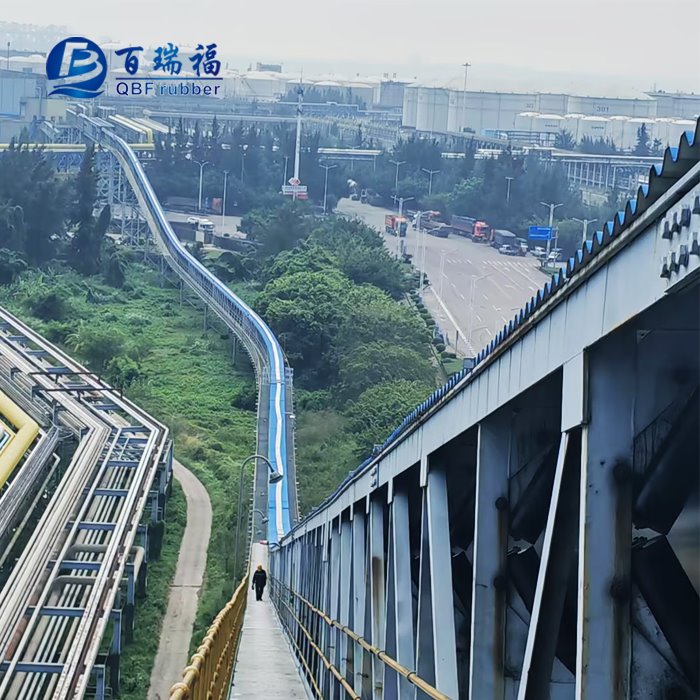
- Shut down the conveyor system: This is a safety measure to prevent any accidents during the cleaning process. Make sure the power is completely turned off and that the belt has come to a complete stop.
- Wear appropriate personal protective equipment (PPE): This includes gloves, safety glasses, and a dust mask. The materials on the belt may be harmful if they come into contact with your skin, eyes, or if inhaled.
- Inspect the belt: Look for any signs of damage, such as tears, cuts, or excessive wear. If you notice any significant damage, it may be necessary to repair or replace the belt before cleaning.
- Gather cleaning tools and supplies: Depending on the type of material on the belt, you may need brushes, scrapers, vacuum cleaners, and cleaning agents. For stubborn stains or sticky materials, you might need specialized cleaning solutions.
Step - by - Step Cleaning Process
Step 1: Remove Loose Debris
Use a brush or a scraper to remove any loose materials from the belt surface. Start from one end of the belt and work your way to the other, applying gentle pressure to avoid damaging the belt. You can also use a vacuum cleaner to suck up the loose debris, especially in hard - to - reach areas.
Step 2: Apply Cleaning Agent
If there are stubborn stains or residues on the belt, apply a suitable cleaning agent. There are different types of cleaning agents available, such as alkaline cleaners for removing grease and oil, and acidic cleaners for removing mineral deposits. Make sure to follow the manufacturer's instructions when using cleaning agents.
Dilute the cleaning agent in water if required and apply it to the belt surface using a spray bottle or a sponge. Allow the cleaning agent to sit on the belt for a few minutes to penetrate the stains.
Step 3: Scrub the Belt
After the cleaning agent has had time to work, use a brush to scrub the belt surface. Use a firm but gentle motion to avoid scratching the belt. Pay special attention to areas with heavy deposits. You may need to repeat the scrubbing process several times for stubborn stains.
Step 4: Rinse the Belt
Once you have scrubbed the belt, rinse it thoroughly with clean water. Use a hose or a pressure washer to remove the cleaning agent and loosened debris. Make sure to rinse the entire belt surface to prevent any residue from remaining.
Step 5: Dry the Belt
After rinsing, allow the belt to dry completely before restarting the conveyor system. You can use a clean cloth to wipe off any excess water, or let the belt air - dry. Moisture on the belt can cause slipping and other operational problems, so it is crucial to ensure that the belt is completely dry.
Special Considerations for Different Materials
The cleaning process may vary depending on the type of material being transported on the tube conveyor belt:
- Food products: When transporting food products, it is essential to use food - grade cleaning agents to avoid contamination. Follow strict hygiene standards and ensure that all cleaning equipment is thoroughly sanitized.
- Chemicals: If the belt is used to transport chemicals, you need to use cleaning agents that are compatible with the chemicals. Some chemicals may react with certain cleaning agents, so it is important to consult the chemical manufacturer's guidelines.
- Abrasive materials: For belts transporting abrasive materials, such as sand or gravel, the belt may experience more wear and tear. In addition to regular cleaning, you may need to inspect the belt more frequently for signs of damage and replace it when necessary.
Regular Maintenance and Cleaning Schedule
Establishing a regular maintenance and cleaning schedule is key to keeping your tube conveyor belt in good condition. The frequency of cleaning depends on several factors, such as the type of material being transported, the operating environment, and the conveyor system's usage.
For conveyor belts used in high - volume or dirty environments, daily or weekly cleaning may be required. In less demanding environments, monthly or quarterly cleaning may be sufficient. Regularly monitoring the belt's condition can help you determine the appropriate cleaning frequency.
Conclusion
Cleaning a tube conveyor belt is a necessary task that should not be overlooked. By following the steps outlined in this blog post and considering the specific requirements of your conveyor system, you can ensure that your belt operates efficiently and safely. As a Tube Conveyor Belt supplier, I am committed to providing high - quality belts and offering expert advice on their maintenance.
If you have any questions about cleaning your tube conveyor belt or are interested in purchasing a new belt, please feel free to reach out. Our team of experts is ready to assist you in finding the best solutions for your conveyor needs.
References
- Conveyor Belt Maintenance Handbook, Industry Standard Publications
- Tube Conveyor Belt Manufacturer's Manuals
- Best Practices in Conveyor System Cleaning, Professional Conveyor Association