

Adjusting the tension of a tube conveyor belt is a critical task that significantly impacts the efficiency, longevity, and safety of your conveyor system. As a dedicated Tube Conveyor Belt supplier, I've witnessed firsthand the importance of proper tension adjustment in ensuring optimal performance. In this blog post, I'll share some in - depth insights and practical steps on how to adjust the tension of a tube conveyor belt.
Understanding the Importance of Proper Belt Tension
Before delving into the adjustment process, it's essential to understand why proper belt tension matters. A tube conveyor belt that is too loose can lead to slippage, which not only reduces the conveyor's efficiency but also causes excessive wear on the belt and other components. On the other hand, an overly tight belt can put unnecessary stress on the bearings, motors, and the belt itself, leading to premature failure, increased energy consumption, and potential safety hazards.
Tools Required for Tension Adjustment
To adjust the tension of a tube conveyor belt, you'll need a few basic tools:
- Tension Gauge: This tool is used to measure the tension of the belt accurately. It provides a numerical value that helps you determine if the belt is too loose or too tight.
- Wrenches: Depending on the type of conveyor system, you'll need wrenches to loosen and tighten the bolts that hold the tensioning mechanism in place.
- Measuring Tape: A measuring tape is useful for taking belt length measurements and ensuring that the belt is properly aligned.
Step - by - Step Guide to Adjusting Belt Tension
Step 1: Inspect the Conveyor System
Before making any adjustments, conduct a thorough inspection of the entire conveyor system. Look for signs of wear, damage, or misalignment in the belt, pulleys, idlers, and tensioning mechanisms. Check for any debris or material buildup that could affect the belt's movement. If you notice any significant issues, address them before proceeding with the tension adjustment.
Step 2: Determine the Ideal Tension
The ideal tension for a tube conveyor belt depends on several factors, including the belt's material, width, length, and the type of material being conveyed. Consult the manufacturer's specifications or guidelines to determine the recommended tension range for your specific belt. If these are not available, you can use industry - standard formulas or consult with a conveyor belt expert.
Step 3: Loosen the Tensioning Mechanism
Most tube conveyor systems are equipped with a tensioning mechanism, such as a screw - type or hydraulic tensioner. Use the appropriate wrenches to loosen the bolts or release the pressure on the tensioning device. This will allow the belt to become more flexible and easier to adjust.
Step 4: Measure the Belt Tension
Use a tension gauge to measure the current tension of the belt. Place the gauge at a specific point on the belt, typically in the middle of the span between two pulleys. Make sure the gauge is properly calibrated and that the measurement is taken under normal operating conditions. Record the tension reading for future reference.
Step 5: Adjust the Tension
Based on the measured tension and the recommended tension range, make the necessary adjustments to the tensioning mechanism. If the belt is too loose, tighten the tensioner gradually. If it's too tight, loosen the tensioner slightly. Make small adjustments at a time and re - measure the tension after each adjustment. This will help you achieve the desired tension accurately.
Step 6: Check Belt Alignment
While adjusting the tension, it's crucial to ensure that the belt is properly aligned. Use a measuring tape to check the distance between the belt edges and the pulleys at multiple points along the conveyor. If the belt is misaligned, it can cause uneven wear and additional stress on the belt. Adjust the tracking of the belt by making minor adjustments to the pulleys or idlers until the belt runs straight.
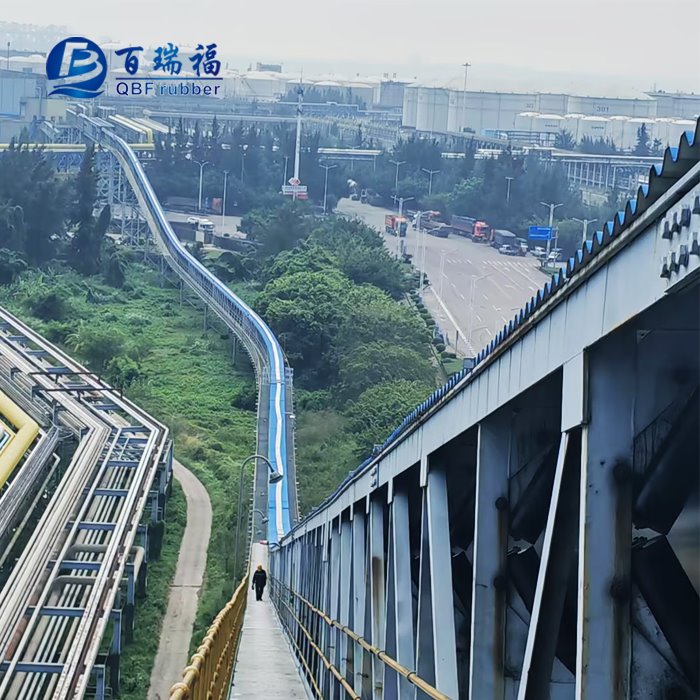
Step 7: Re - check the Tension
After making the adjustments, re - measure the belt tension using the tension gauge. Make sure the tension is within the recommended range. If it's still not correct, repeat the adjustment process until the desired tension is achieved.
Step 8: Secure the Tensioning Mechanism
Once the correct tension is achieved, tighten the bolts or lock the tensioning device to secure the belt in place. Make sure all the connections are tight and that there is no play in the tensioning mechanism.
Additional Tips for Maintaining Proper Belt Tension
- Regular Inspections: Conduct regular inspections of the conveyor system to monitor the belt tension and detect any potential issues early. This will help prevent costly breakdowns and ensure the long - term reliability of the system.
- Temperature and Humidity Considerations: Changes in temperature and humidity can affect the belt's tension. Be aware of these environmental factors and make adjustments as needed.
- Training for Operators: Provide proper training to the operators on how to adjust the belt tension correctly. This will ensure that the adjustments are made safely and accurately.
Conclusion
Adjusting the tension of a tube conveyor belt is a skill that requires careful attention to detail and a good understanding of the conveyor system. By following the steps outlined in this blog post, you can ensure that your tube conveyor belt operates at its optimal performance. As a Tube Conveyor Belt supplier, we are committed to providing high - quality conveyor belts and expert advice to our customers. If you have any questions or need assistance with belt tension adjustment or any other conveyor - related issues, don't hesitate to contact us for a professional consultation. We are here to help you optimize your conveyor system and achieve the best results.
References
- Conveyor Belt Handbook, Industry Standard Publication
- Manufacturer's Manuals for Tube Conveyor Systems
- Technical Papers on Conveyor Belt Mechanics and Tensioning


