

A tube conveyor belt, an essential component in modern industrial material handling systems, offers a versatile and efficient solution for transporting a wide range of materials. As a reputable Tube Conveyor Belt supplier, I have witnessed firsthand the diverse applications and the extensive list of materials that these belts can handle. In this blog, I will explore the various materials that a tube conveyor belt can transport, highlighting their unique characteristics and the benefits of using tube conveyor belts in each case.
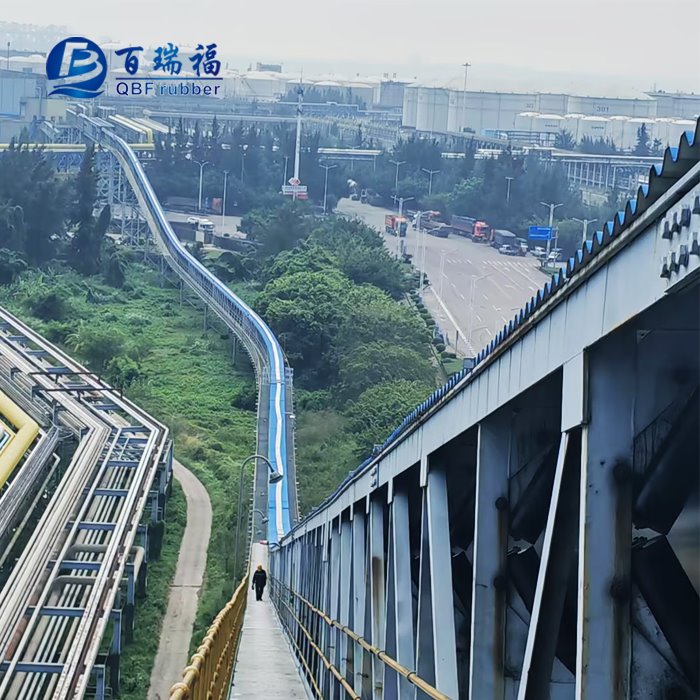
Bulk Solids
One of the most common applications of tube conveyor belts is the transportation of bulk solids. These materials include grains, such as wheat, corn, and rice, which are essential commodities in the food industry. Tube conveyor belts can handle these grains gently, minimizing damage and ensuring the quality of the product. The enclosed design of the tube conveyor belt also prevents spillage and dust emissions, making it an environmentally friendly option for grain handling.
Minerals and ores are another type of bulk solid that can be transported using tube conveyor belts. Materials like coal, iron ore, and limestone are commonly mined and processed in large quantities. Tube conveyor belts can handle the abrasive nature of these materials, providing a reliable and efficient means of transportation. The ability to transport these materials over long distances and around obstacles makes tube conveyor belts a popular choice in the mining and quarrying industries.
Powders and Granules
Powders and granules are also well-suited for transportation using tube conveyor belts. Chemical powders, such as fertilizers and pigments, require careful handling to prevent contamination and ensure the quality of the product. Tube conveyor belts offer a sealed environment that protects the powders from external factors, such as moisture and dust. The smooth inner surface of the tube conveyor belt also prevents the buildup of powders, ensuring a consistent flow and reducing the risk of blockages.
Pharmaceutical powders and granules are another example of materials that can be transported using tube conveyor belts. These materials require strict quality control and hygiene standards, and the enclosed design of the tube conveyor belt helps to meet these requirements. The ability to control the temperature and humidity inside the tube conveyor belt also makes it suitable for transporting sensitive pharmaceutical products.
Recyclable Materials
In today's environmentally conscious world, the transportation of recyclable materials is becoming increasingly important. Tube conveyor belts can play a crucial role in this process by efficiently transporting materials such as paper, plastic, and metal scrap. The enclosed design of the tube conveyor belt prevents the escape of these materials, reducing the risk of environmental pollution. The ability to transport these materials in a continuous and automated manner also improves the efficiency of the recycling process.
Waste materials, such as municipal solid waste and industrial waste, can also be transported using tube conveyor belts. The enclosed design of the tube conveyor belt helps to contain the odors and prevent the spread of pathogens, making it a safer and more hygienic option for waste handling. The ability to transport these materials over long distances and around obstacles also makes tube conveyor belts a practical solution for waste management.
Food and Beverage Products
The food and beverage industry has strict requirements for the transportation of products to ensure their safety and quality. Tube conveyor belts are well-suited for this industry, as they can handle a wide range of food and beverage products, including fruits, vegetables, dairy products, and beverages. The enclosed design of the tube conveyor belt protects the products from contamination and ensures their freshness. The smooth inner surface of the tube conveyor belt also prevents the damage of delicate products, such as fruits and vegetables.
The ability to clean and sanitize the tube conveyor belt easily is another advantage in the food and beverage industry. Regular cleaning and sanitation are essential to prevent the growth of bacteria and ensure the safety of the products. Tube conveyor belts can be designed with easy-to-clean features, such as removable covers and smooth surfaces, making them a hygienic option for food and beverage transportation.
Chemicals and Hazardous Materials
Chemicals and hazardous materials require special handling and transportation to ensure the safety of workers and the environment. Tube conveyor belts can be designed to meet the specific requirements of these materials, providing a secure and reliable means of transportation. The enclosed design of the tube conveyor belt prevents the leakage of chemicals and hazardous materials, reducing the risk of spills and accidents.
The materials used in the construction of tube conveyor belts for chemicals and hazardous materials are carefully selected to be resistant to corrosion and chemical attack. Special coatings and linings can also be applied to the inner surface of the tube conveyor belt to provide additional protection. The ability to monitor and control the transportation process, such as the temperature and pressure, also makes tube conveyor belts a suitable option for transporting chemicals and hazardous materials.
Benefits of Using Tube Conveyor Belts
The ability to transport a wide range of materials is just one of the many benefits of using tube conveyor belts. Here are some other advantages that make tube conveyor belts a popular choice in various industries:
- Enclosed Design: The enclosed design of the tube conveyor belt prevents spillage and dust emissions, making it an environmentally friendly option. It also protects the materials from external factors, such as weather and contaminants, ensuring the quality of the product.
- Versatility: Tube conveyor belts can be designed to fit various layouts and configurations, including horizontal, inclined, and vertical installations. They can also be used to transport materials around obstacles, such as buildings and machinery, making them a flexible solution for different applications.
- Efficiency: Tube conveyor belts offer a continuous and automated means of transportation, reducing the need for manual handling and improving the efficiency of the process. The ability to transport materials over long distances without the need for intermediate transfer points also reduces the risk of product damage and contamination.
- Low Maintenance: Tube conveyor belts are designed to be durable and require minimal maintenance. The smooth inner surface of the tube conveyor belt reduces the wear and tear on the belt, extending its lifespan. The enclosed design also protects the belt from external factors, such as abrasion and corrosion, reducing the need for frequent replacements.
Conclusion
As a Tube Conveyor Belt supplier, I am proud to offer a product that can handle such a wide range of materials. The versatility and efficiency of tube conveyor belts make them a valuable asset in various industries, from mining and manufacturing to food and beverage. Whether you need to transport bulk solids, powders, recyclable materials, or hazardous chemicals, a tube conveyor belt can provide a reliable and cost-effective solution.
If you are interested in learning more about our Tube Conveyor Belts or have specific requirements for your material handling needs, please feel free to contact us. Our team of experts will be happy to assist you in finding the right solution for your application.
References
- "Conveyor Belt Handbook," published by the Conveyor Equipment Manufacturers Association.
- "Industrial Material Handling: Principles and Applications," by John A. White and Donald A. Vitale.
- Various industry publications and research papers on tube conveyor belts and material handling.


