





Solid Woven Conveyor Belt
Strength grades: 680/1, 800/1, 1000/1, 1250/1, 1400/1, 1600/1, 1800/1, 2000/1, 2240/1, 2500/1, 2800/1, 3100/1, 3400/1
Max conveying inclination: 16° (PVC type), 18° (PVG type)
Compliant standards: MT 914, SANS 971, AS 4606, BS 3289, DIN 22109
Qingdao Best Friend Rubber & Plastic Co., Ltd. is one of the most reliable manufacturers and suppliers of solid woven conveyor belt in China, also supports customized service. If you're going to buy high quality solid woven conveyor belt made in China, welcome to get more information from our factory.
Product Introduction
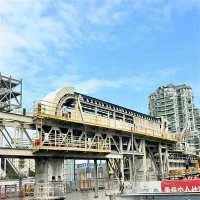
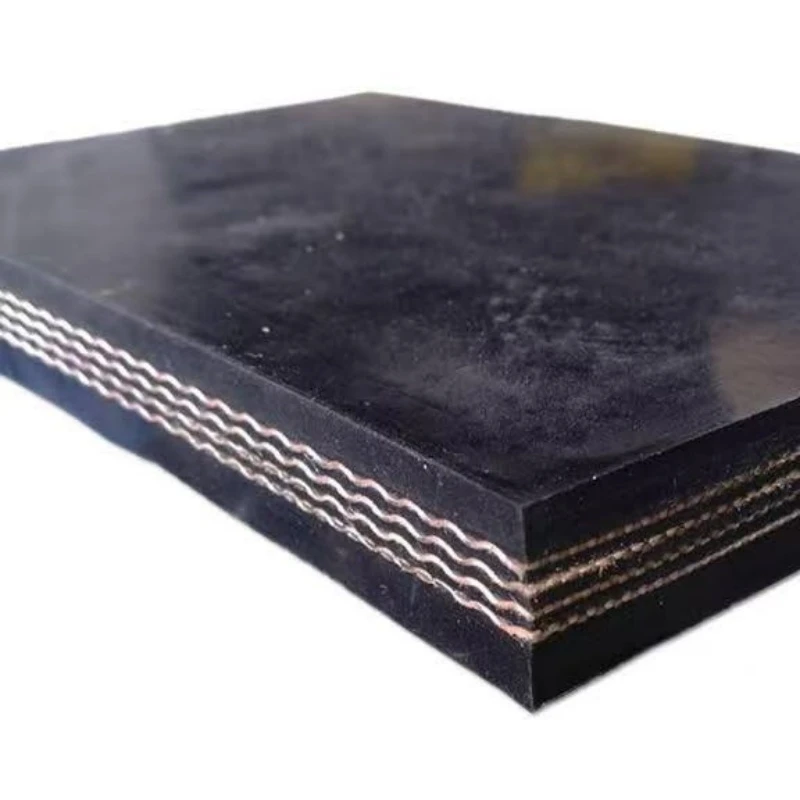
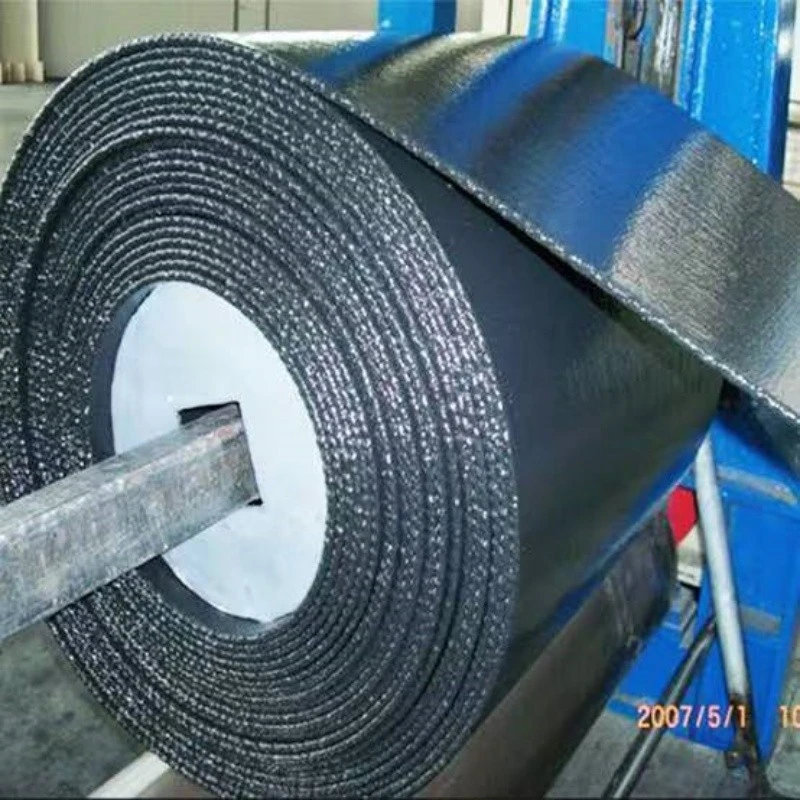
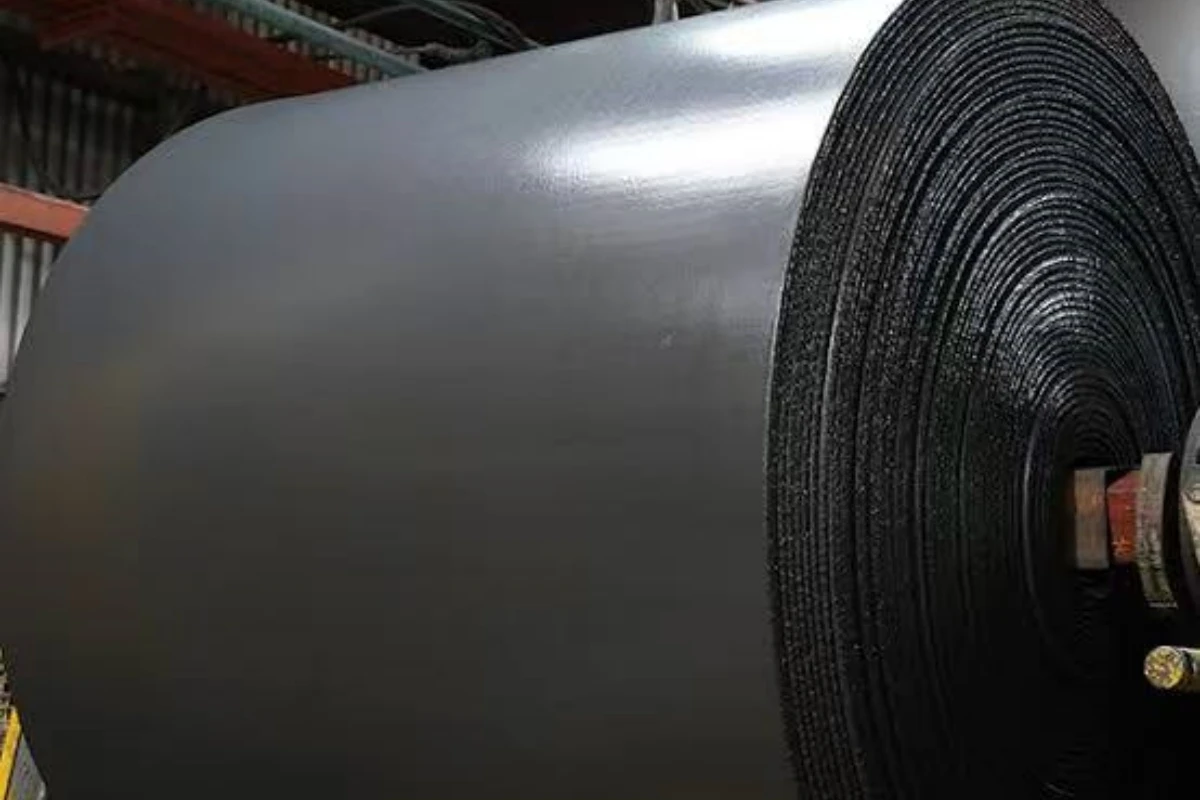
Solid woven PVC / PVG conveyor belt is an integrated flame-retardant and anti-static belt with solid core construction. The load-bearing skeleton is a monolithic solid core, impregnated with PVC paste and then covered with PVC or PVG cover compound. The PVC version is designed for dry conveying conditions with a maximum inclination of 16°, while the PVG version adapts to humid environments with an inclination up to 18°. It is widely used for coal transportation in underground coal mines and other industries with flame retardancy and static dissipation requirements.
Core Advantages
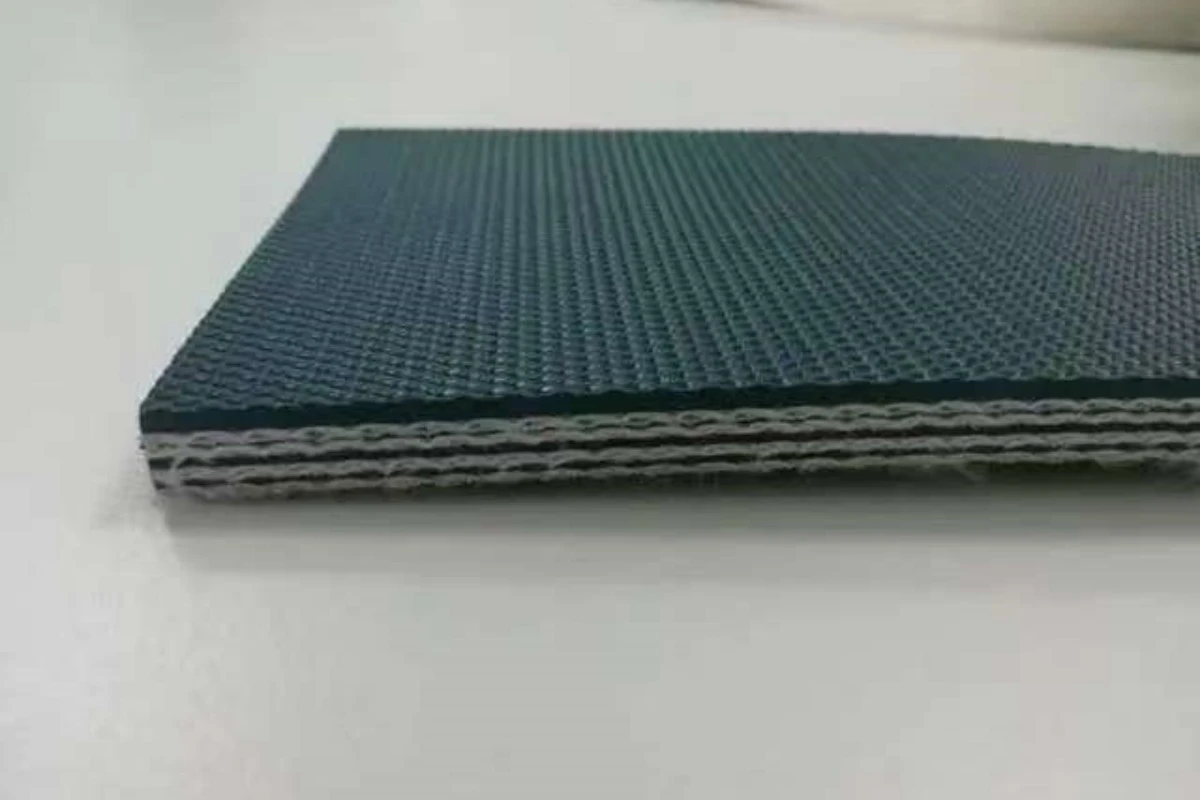
1.Combined flame-retardant and anti-static safety for hazardous areas: The belt resists flame propagation and continuously dissipates static charge, reducing the risk that a discharge ignites coal dust or combustible particles, as required by mandatory mining and chemical-plant safety codes.
2.Lightweight construction that cuts power consumption: At the same tensile rating the belt is lighter than a steel cord belt, which lowers the running load on the conveyor, reduces wear on idlers and pulleys, and cuts ongoing motor energy use.
3.Impact and tear resistance at transfer points: The densely impregnated core absorbs impact from falling coal and hard lump material, which helps avoid unplanned downtime caused by local tearing or rupture.
4.Two material grades for dry and wet conditions respectively: The PVC formulation is optimized for dry, dusty sites. PVG, with its rubber cover, is water- and abrasion-resistant and is engineered specifically for roadways with seepage and splash water.
5.Full strength range and multi-standard compliance: Strength grades run from 680/1 to 3400/1. The belt can be manufactured to MT 914, SANS 971, AS 4606, BS 3289, DIN 22109 and other international mining standards, so it meets the acceptance requirements of overseas projects.
Technical Reference Table
|
Strength Rating |
Tensile Strength (Min.) Warp (N/mm) |
Tensile Strength (Min.) Weft (N/mm) |
Core Reference Thickness |
Core Reference Weight |
Cover Type & Recommended Thickness (mm) Molded PVC |
Cover Type & Recommended Thickness (mm) PVG |
Belt Weight Molded PVC |
Belt Weight PVG |
|
680/1 Grade 4 |
680 |
265 |
6.0 |
8.0 |
1.0+1.0 |
1.5+1.5 |
500-1600 |
500-2200 |
|
800/1 Grade 5 |
800 |
280 |
6.5 |
8.5 |
1.0+1.0 |
1.5+1.5 |
||
|
1000/1 Grade 6 |
1000 |
300 |
7.5 |
10.0 |
1.0+1.0 |
1.5+1.5 |
||
|
1250/1 Grade 7 |
1250 |
350 |
9.0 |
12.0 |
1.5+1.5 |
2.0+1.5 |
||
|
1400/1 Grade 8 |
1400 |
350 |
9.5 |
12.5 |
2.0+1.5 |
2.5+1.5 |
||
|
1600/1 Grade 9 |
1600 |
400 |
10.5 |
14.0 |
2.0+2.0 |
2.5+1.5 |
||
|
1800/1 Grade 10 |
1800 |
400 |
11.5 |
15.0 |
2.0+2.0 |
3.0+2.0 |
||
|
2000/1 Grade 11 |
2000 |
400 |
12.5 |
16.5 |
2.0+2.0 |
3.0+2.0 |
||
|
2240/1 Grade 12 |
2240 |
450 |
13.5 |
18.0 |
3.0+2.0 |
3.0+2.0 |
||
|
2500/1 Grade 13 |
2500 |
450 |
14.5 |
19.5 |
3.0+2.0 |
3.0+3.0 |
||
|
2800/1 Grade 14 |
2800 |
450 |
16.5 |
21.5 |
3.0+2.0 |
5.0+3.0 |
||
|
3100/1 Grade 15 |
3100 |
450 |
18.0 |
24.0 |
Customized according to specific conveying conditions |
|||
|
3400/1 Grade 16 |
3400 |
450 |
20.0 |
26.0 |
||||
Recommended Minimum Pulley Diameter
|
Strength Rating |
680/1 T4 |
800/1 T5 |
1000/1 T6 |
1250/1 T7 |
1400/1 T8 |
1600/1 T9 |
1800/1 T10 |
2000/1 T11 |
2240/1 T12 |
2500/1 T13 |
2800/1 T14 |
3100/1 T15 |
3400/1 T16 |
|
Driving Pulley Diameter (mm) |
400 |
500 |
630 |
750 |
750 |
800 |
800 |
1000 |
1250 |
1250 |
1500 |
1500 |
1600 |
Note: Manufactured in compliance with MT 914 / SANS 971 / AS 4606 / BS 3289 / DIN 22109 and other standards. Vulcanized PVG belting is recommended in place of standard PVG belting: the cover bonds more firmly to the core, which gives a longer service life and higher mechanical fastener holding strength.
Application Scenarios
1.Underground coal mine headings and gate roads, dry conditions (PVC type)
Used for raw coal haulage in dry underground roadways where a coal dust explosion risk exists. The built-in flame retardant and static-dissipating properties reduce the risk of electrostatic spark ignition. The one-piece solid core withstands repeated flexing over long haulage distances, at a lower operating cost in dry conditions.
2. Underground coal mine roadways with seepage and standing water (PVG type)
Applied where water drips and pools and the belt is repeatedly wetted. The PVG rubber cover resists water uptake and limits the loss of strength caused by moisture absorption, and it keeps its flame-retardant and anti-static performance in humid conditions.
3. Coal handling systems in thermal power plants
Suitable for coal bunkers and conveyor galleries in power stations with multiple transfer drops and complex routing. The low-elongation solid core maintains consistent tension throughout the line, minimising frequent belt re-tensioning and shortening maintenance downtime. Its stable running performance is well suited for continuous, round-the-clock coal feeding schedules of power generation units.
4. Cold sinter and coke handling in metallurgy
Metallurgical plants combine heavy dust with sharp-edged material, and the compact solid core resists cuts and scores from angular coke and sinter. Note that PVC and PVG covers are flame-retardant, not heat-resistant: this belt is intended for cooled material with a loading-point temperature not above 80 °C. Hot sinter or quench coke requires a heat-resistant belt.
FAQ
Q: What is the difference between a PVC solid-woven belt and a PVG solid-woven belt?
A: The PVC type suits dry environments at up to a 16° incline and is the more cost-effective option. The PVG type carries a rubber cover, is water-resistant and wear-resistant for wet, dripping sites, handles inclines up to 18°, and gives a longer service life.
Q: Can you manufacture to our local standard?
A: Yes. We manufacture to MT 914, SANS 971, AS 4606, BS 3289, DIN 22109 and other international standards. Please state the required standard in your inquiry.
Q: What certificates can you provide?
A: Full test reports, mine safety certificates and factory inspection documents are available to support tenders and site acceptance for mining and power projects.
Q: Which splicing method is used for solid-woven conveyor belts?
A: A mechanical splice is standard and is the fastest to install. A vulcanized splice is optional where higher joint strength is needed. Vulcanized PVG belting gives more consistent splice results than standard PVG belting.
Q: How do I select the correct strength grade?
A: The strength grade is set by conveyor length, lift height, running resistance and starting mode, not by throughput alone. Send us your conveyor parameters and we will prepare a free selection proposal.
Q: Are custom sizes available?
A: Yes. Belt width, cover thickness and special formulations can be customized to suit your site conditions.
Hot Tags: solid woven conveyor belt, China solid woven conveyor belt manufacturers, suppliers, factory, construction fabric conveyor belt, conveyor belt for debossing, conveyor belt for drying, conveyor belt for starting, conveyor belt for turning, nylon fabric conveyor belt
Previous
Textile Conveyor BeltNext
EP Conveyor BeltYou Might Also Like


Send Inquiry