

Hey there! I'm a supplier of Chevron Belts, and I know how crucial it is to pick the right size for your conveyor system. In this blog, I'll share some tips on how to choose the right size of a Chevron Belt, so you get the most out of your investment.
Understanding Chevron Belts
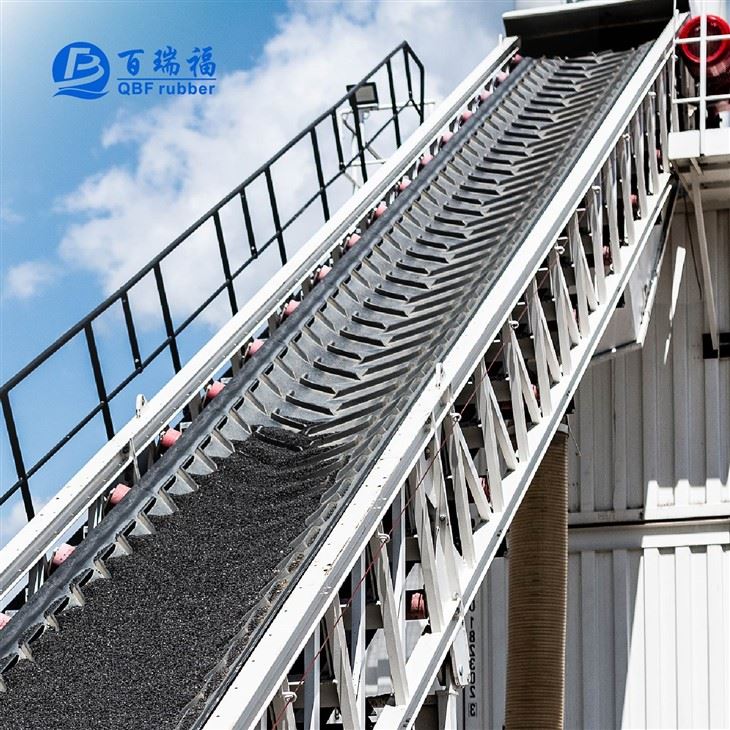
First things first, let's talk a bit about what Chevron Belts are. These belts are a type of specialized conveyor belt with raised chevron-shaped patterns on the surface. The chevrons help prevent materials from sliding off the belt, especially when conveying on an incline or decline. They're commonly used in industries like mining, agriculture, and construction to move bulk materials such as coal, grain, and gravel.
Factors to Consider When Choosing the Size
1. Conveyor System Dimensions
The first step in choosing the right size of a Chevron Belt is to measure your conveyor system. You need to know the length and width of the conveyor. The length will determine how much material the belt can transport at once, while the width affects the stability and capacity of the belt.
For the length, measure the distance from the head pulley to the tail pulley. Make sure to account for any idlers or other components that may affect the belt's path. As for the width, it should be wide enough to accommodate the material you're transporting without overloading the edges of the belt. A good rule of thumb is to leave some extra space on either side of the material to prevent spillage.
2. Material Characteristics
The type of material you're conveying plays a big role in determining the belt size. Different materials have different properties, such as density, particle size, and moisture content.
If you're moving heavy, dense materials like iron ore, you'll need a wider and stronger belt to handle the weight. On the other hand, if you're dealing with lightweight, fine materials like flour, a narrower belt may be sufficient. The particle size also matters. Larger particles can cause more wear and tear on the belt, so you might need a thicker and more durable belt. Moisture content can affect the friction between the belt and the material, so consider this factor as well.
3. Conveyor Speed
The speed at which your conveyor operates is another important factor. Faster conveyor speeds require belts that can handle the increased stress and movement. A wider belt can help distribute the load more evenly at higher speeds, reducing the risk of damage.

If you have a high-speed conveyor, you may also need to consider a belt with a higher tensile strength to prevent stretching or breaking. Keep in mind that the speed of the conveyor can also affect the efficiency of material transfer, so make sure the belt size is compatible with your desired conveyor speed.
4. Incline or Decline Angle
If your conveyor is operating on an incline or decline, the belt size becomes even more critical. Steeper angles require belts with better grip to prevent material from sliding off. You'll typically need a wider belt with taller chevrons for steeper inclines or declines.
The angle of the conveyor also affects the wear on the belt. As the material moves up or down the incline, there's more friction between the belt and the material, which can cause faster wear. Choosing the right size and type of belt can help minimize this wear and extend the lifespan of the belt.
Types of Chevron Belt Sizes
1. Standard Sizes
Most Chevron Belt manufacturers offer a range of standard sizes. These sizes are designed to fit common conveyor systems and are readily available. Standard sizes are a good option if your conveyor system has typical dimensions and you're not dealing with any special requirements.
When choosing a standard size, make sure to check the specifications provided by the manufacturer. They'll usually include information about the belt's width, length, thickness, and chevron height. Compare these specifications with your conveyor system requirements to find the best fit.
2. Custom Sizes
If your conveyor system has unique dimensions or you have specific requirements, you may need a custom-sized Chevron Belt. Custom sizes allow you to get a belt that's perfectly tailored to your needs.
Working with a supplier who can offer custom sizing is essential. They'll be able to take accurate measurements of your conveyor system and design a belt that meets your exact specifications. Keep in mind that custom-sized belts may take longer to manufacture and may be more expensive than standard sizes, but they can offer significant benefits in terms of performance and longevity.
Measuring for the Right Size
1. Belt Width
To measure the belt width, measure the width of the conveyor frame where the belt will sit. Make sure to measure at several points along the length of the conveyor to account for any variations. Subtract a small amount (usually around 1 - 2 inches) from the measured width to ensure a proper fit. This will prevent the belt from rubbing against the sides of the conveyor frame.
2. Belt Length
Measuring the belt length can be a bit trickier. One way to do it is to measure the circumference of the head and tail pulleys and add the distance between the centers of the two pulleys. You can also use a flexible measuring tape to measure the path of the belt around the conveyor system, including any idlers.
It's important to be as accurate as possible when measuring the belt length. A belt that's too short will be difficult to install and may cause excessive tension, while a belt that's too long can lead to sagging and reduced efficiency.
Working with a Supplier
As a Chevron Belt supplier, I can offer you expert advice on choosing the right size for your conveyor system. I have years of experience in the industry and know all the ins and outs of Chevron Belts.
When you contact me, I'll ask you some questions about your conveyor system, the material you're transporting, and your operating conditions. This information will help me recommend the best size and type of belt for your needs. I'll also provide you with detailed specifications and pricing so you can make an informed decision.
If you're interested in purchasing a Chevron Belt, don't hesitate to get in touch. I'm here to help you find the perfect belt for your conveyor system and ensure you get the most out of your investment. Whether you need a standard size or a custom-sized belt, I can provide you with high-quality products at competitive prices.
Conclusion
Choosing the right size of a Chevron Belt is essential for the efficient and reliable operation of your conveyor system. By considering factors like conveyor system dimensions, material characteristics, conveyor speed, and incline or decline angle, you can make an informed decision. Whether you opt for a standard size or a custom-sized belt, working with a knowledgeable supplier can help you get the best results.
So, if you're in the market for a Chevron Belt, reach out to me today. Let's discuss your requirements and find the perfect belt for your needs. I'm confident that I can provide you with a solution that meets your expectations and helps you improve the performance of your conveyor system.
References
- Conveyor Belt Handbook, various industry publications
- Manufacturer's specifications and guidelines for Chevron Belts


