Hey there! As a supplier of Conveyor Belt Cleats, I often get asked about the water resistance of these little but crucial components. So, let's dive right into it and explore what water resistance of conveyor belt cleats really means.
What Are Conveyor Belt Cleats?
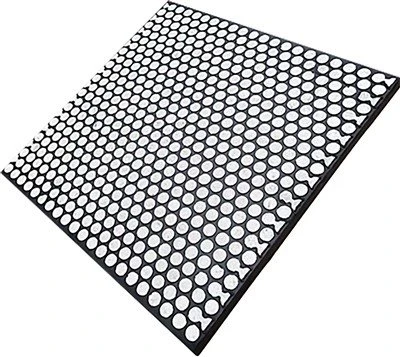
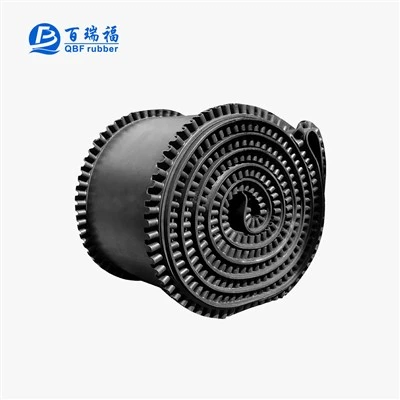
First off, if you're not too familiar with conveyor belt cleats, let me give you a quick rundown. Conveyor belt cleats are raised sections attached to conveyor belts. They're super handy as they help to carry materials up inclines, prevent them from sliding back, and can also be used to separate different items on the belt. You can find them in various shapes and sizes, and they're used in all sorts of industries, from mining and agriculture to food processing and manufacturing. Conveyor Belt Cleat
Why Water Resistance Matters
Now, you might be wondering why water resistance is such a big deal for conveyor belt cleats. Well, there are a bunch of reasons. For starters, in many industries, conveyor systems are exposed to water. In the food industry, belts are often washed down regularly to maintain hygiene standards. In mining, conveyor belts can be used in wet environments, like near water sources or in areas with high humidity.
If the cleats aren't water-resistant, they can start to deteriorate over time. Water can cause the material to swell, lose its shape, or even start to rot. This not only affects the performance of the cleats but can also lead to issues with the entire conveyor system. For example, if a cleat falls off, it could cause jams or damage to other parts of the belt.
Factors Affecting Water Resistance
There are several factors that determine the water resistance of conveyor belt cleats.
Material
The material of the cleat is the most obvious factor. Different materials have different levels of water resistance. For example, rubber is a common material for cleats, and some types of rubber are more water-resistant than others. Natural rubber can absorb water to some extent, which can cause it to swell and lose its properties over time. On the other hand, synthetic rubbers like neoprene or EPDM (ethylene propylene diene monomer) are much more water-resistant. They have a low affinity for water, so they don't absorb it easily and can maintain their shape and performance even when exposed to moisture.
Design
The design of the cleat also plays a role in its water resistance. Cleats with a smooth surface are less likely to trap water compared to those with a rough or porous surface. Additionally, the way the cleat is attached to the conveyor belt can affect its water resistance. If there are gaps or spaces between the cleat and the belt, water can seep in and cause problems. A well-designed cleat will have a tight seal with the belt to prevent water from getting in.
Manufacturing Process
The manufacturing process can also impact water resistance. For example, if the cleat is properly vulcanized (a process that strengthens rubber by adding sulfur and heat), it will have better water resistance. Vulcanization creates a cross-linked structure in the rubber, which makes it more resistant to water and other chemicals.
Testing Water Resistance
So, how do we know if a conveyor belt cleat is water-resistant? There are several tests that can be done.
One common test is the immersion test. In this test, a sample of the cleat is immersed in water for a certain period of time, usually several days or weeks. After the immersion period, the cleat is removed and its properties are measured. This can include its weight, dimensions, hardness, and strength. If the cleat has absorbed a significant amount of water, it will likely have increased in weight and may have changed in shape or hardness.
Another test is the spray test. In this test, water is sprayed onto the cleat at a certain pressure and for a certain duration. The cleat is then inspected for any signs of water penetration or damage. This test simulates the conditions that the cleat might encounter in a real-world environment, such as being sprayed with water during a cleaning process.
Applications Where Water Resistance Is Crucial
There are many industries where water resistance of conveyor belt cleats is essential.
Food Industry
In the food industry, conveyor belts are used to transport all sorts of food products, from fruits and vegetables to meat and dairy. These belts need to be cleaned regularly to prevent the growth of bacteria and other contaminants. Water is often used for cleaning, so the cleats need to be able to withstand repeated exposure to water without deteriorating. Conveyor Belt Sidewall can also be used in conjunction with cleats in food industry conveyors, and they too need to be water-resistant.
Mining Industry
In the mining industry, conveyor belts are used to transport ore and other materials over long distances. These belts can be exposed to water from rain, groundwater, or the mining process itself. Water-resistant cleats are necessary to ensure that the belts can continue to operate efficiently in these wet conditions.
Aquaculture
In aquaculture, conveyor belts are used to transport fish, shrimp, and other aquatic products. The belts are constantly in contact with water, so the cleats need to be highly water-resistant to prevent corrosion and damage.
Our Conveyor Belt Cleats and Water Resistance
As a supplier of conveyor belt cleats, we understand the importance of water resistance. That's why we offer a range of cleats made from high-quality, water-resistant materials. Our cleats are designed and manufactured using the latest technology and processes to ensure maximum water resistance.
We use synthetic rubbers like neoprene and EPDM in our cleats because of their excellent water resistance properties. These materials are also resistant to other chemicals and environmental factors, which makes our cleats suitable for a wide range of applications.
In addition to the material, our cleats are designed with water resistance in mind. They have a smooth surface to prevent water from trapping, and they are attached to the conveyor belt using a special bonding process that creates a tight seal. This helps to prevent water from seeping in and causing damage.
Other Accessories for Conveyor Systems
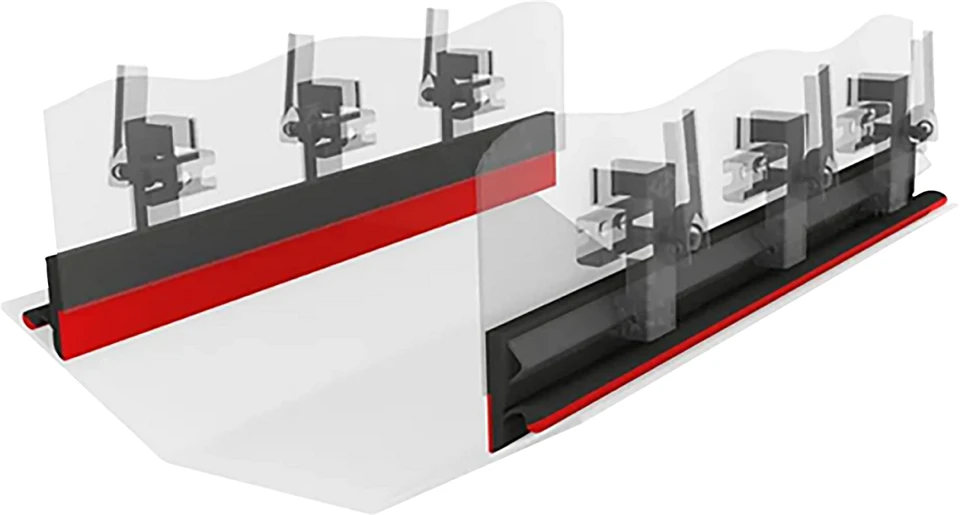
In addition to conveyor belt cleats, we also offer other accessories for conveyor systems, such as Conveyor Belt Sidewall and Y-Type Skirt Rubber. These accessories also need to be water-resistant to ensure the proper functioning of the conveyor system.
Conveyor belt sidewalls are used to contain the materials on the belt and prevent them from falling off. They need to be water-resistant to prevent damage from water exposure. Y-Type skirt rubber is used to seal the edges of the conveyor belt and prevent material spillage. It also needs to be water-resistant to maintain its integrity in wet environments.
Contact Us for Your Conveyor Belt Cleat Needs
If you're in the market for high-quality, water-resistant conveyor belt cleats or other conveyor belt accessories, we'd love to hear from you. Whether you're in the food industry, mining industry, or any other industry that uses conveyor systems, we can provide you with the products you need.
We offer a wide range of cleats in different shapes, sizes, and materials to meet your specific requirements. Our team of experts can also provide you with advice and guidance on choosing the right cleats for your application.
So, don't hesitate to reach out to us for more information or to discuss your procurement needs. We're here to help you find the best solutions for your conveyor systems.

References
- "Conveyor Belt Technology Handbook"
- "Rubber Technology: Compounding, Testing, and Applications"