Hey there! As a supplier of Sidewall Belts, I often get asked about the noise level of sidewall belt conveyors. It's a crucial aspect, especially when you're looking to set up a conveyor system in a workplace. In this blog, I'll break down what the noise level of a sidewall belt conveyor is, what factors affect it, and how you can manage it.
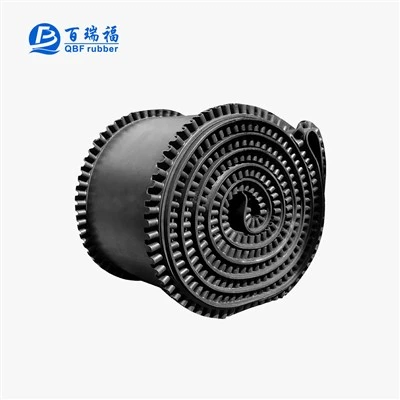
Let's start with the basics. A sidewall belt conveyor is a type of conveyor that uses a belt with vertical sidewalls to carry materials. It's great for handling bulk materials at various inclines, even vertically in some cases. You can check out our MOR Sidewall Conveyor Belt and Vertical Conveyor Belt for some high - quality options.
The noise level of a sidewall belt conveyor can vary widely. On average, a well - maintained and properly installed sidewall belt conveyor might operate at around 70 - 85 decibels (dB). To put that in perspective, normal conversation is about 60 dB, and a vacuum cleaner runs at around 70 - 80 dB. But in some cases, if there are issues with the conveyor, the noise level can go much higher.
Now, what factors can affect the noise level of a sidewall belt conveyor?
Belt and Pulley Interaction
The interaction between the belt and the pulleys is a major source of noise. If the belt is not properly tensioned, it can cause vibrations as it moves over the pulleys. A loose belt might slip on the pulleys, creating a screeching or rattling noise. On the other hand, an over - tensioned belt can put excessive stress on the pulleys and bearings, leading to increased noise levels as well. Also, the condition of the pulleys matters. Worn - out or misaligned pulleys can cause the belt to run unevenly, generating more noise. For example, if the pulley surface is rough or has debris on it, it can create a grinding noise as the belt passes over.


Bearing Condition
The bearings in a sidewall belt conveyor are crucial for smooth operation. Bearings support the rotating parts of the conveyor, like the pulleys and shafts. If the bearings are damaged, worn, or lack proper lubrication, they can make a lot of noise. A failing bearing might produce a high - pitched whine or a growling sound. This is because the internal components of the bearing are not moving smoothly, and there's increased friction. Regular maintenance, including checking the bearing condition and lubricating them as needed, can help keep the noise from bearings under control.
Material Handling
The type of material being conveyed can also impact the noise level. If you're transporting heavy, abrasive materials, they can cause more noise as they move along the belt. The impact of the material hitting the belt and sidewalls can create a loud thumping or rattling sound. Additionally, if the material is not evenly distributed on the belt, it can cause the conveyor to vibrate more, increasing the noise. For instance, if you're moving large chunks of rock on a sidewall belt conveyor, the noise level will likely be higher compared to transporting lighter, finer materials like grains.
Conveyor Design and Installation
The design and installation of the conveyor play a big role in noise generation. A poorly designed conveyor might have components that are not properly integrated, leading to unnecessary vibrations. For example, if the frame of the conveyor is not sturdy enough, it can vibrate as the conveyor operates, amplifying the noise. Also, improper installation, such as incorrect alignment of the conveyor components, can cause the belt to run off - center and create more noise. A conveyor that is installed on an uneven surface can also lead to increased vibrations and noise.
So, how can you manage the noise level of a sidewall belt conveyor?
Regular Maintenance
Regular maintenance is key. This includes checking the belt tension, inspecting the pulleys and bearings, and cleaning the conveyor. Make sure the belt is properly tensioned according to the manufacturer's specifications. Replace any worn - out components, like pulleys or bearings, as soon as possible. Lubricate the moving parts regularly to reduce friction and noise.
Soundproofing
You can use soundproofing materials around the conveyor to reduce the noise. Acoustic panels can be installed on the sides of the conveyor or in the surrounding area. These panels absorb the sound waves, preventing them from spreading. You can also use rubber mats or liners on the conveyor frame to dampen vibrations.
Proper Material Handling
Try to ensure that the material is evenly distributed on the belt. Use chutes or feeders to control the flow of material onto the belt. If possible, choose a conveyor design that is suitable for the type of material you're transporting. For example, if you're moving heavy materials, a conveyor with a more robust construction might be better at handling the impact and reducing noise.
Monitoring and Adjustment
Install noise monitoring devices near the conveyor. This way, you can keep track of the noise level and detect any sudden increases, which could indicate a problem. If you notice an increase in noise, quickly investigate and make the necessary adjustments, such as realigning the pulleys or tightening the belt.
As a Sidewall Belt supplier, we offer high - quality Sidewall Cleated Belt options that are designed to minimize noise. Our belts are made with the latest technology and high - quality materials to ensure smooth and quiet operation.
If you're in the market for a sidewall belt conveyor or looking to improve the performance of your existing one, we're here to help. Whether you have questions about noise levels, conveyor design, or need advice on maintenance, feel free to reach out. We can work with you to find the best solution for your specific needs. Contact us to start a conversation about your sidewall belt conveyor requirements.
References
- "Industrial Noise Control Handbook" by David B. Cooper
- "Conveyor Belt Technology" by various industry experts