

The lifespan of a sidewall belt is a crucial aspect for any business relying on conveyor systems. As a sidewall belt supplier, I've witnessed firsthand the impact that the belt's longevity can have on operational efficiency, cost - effectiveness, and overall productivity. In this blog, we'll delve into the factors that influence the lifespan of a sidewall belt and offer insights on how to maximize it.
Understanding Sidewall Belts
Before we explore the lifespan, let's briefly understand what sidewall belts are. A Sidewall Belt is a specialized conveyor belt designed with vertical sidewalls to contain and transport materials at steep angles or vertically. This unique design allows for the efficient movement of bulk materials such as grains, minerals, and aggregates, making it a popular choice in industries like mining, agriculture, and manufacturing.
Factors Affecting the Lifespan of Sidewall Belts
1. Material Quality
The quality of the materials used in the construction of the sidewall belt is perhaps the most significant factor influencing its lifespan. High - quality rubber compounds, fabrics, and reinforcements are essential for withstanding the rigors of continuous operation. For instance, belts made from premium rubber are more resistant to abrasion, cuts, and tears. They can also better withstand exposure to chemicals, oils, and extreme temperatures. At our company, we source only the finest materials to ensure that our sidewall belts offer superior performance and durability.
2. Operating Conditions
The environment in which the sidewall belt operates plays a vital role in determining its lifespan. Harsh conditions such as high temperatures, excessive moisture, and abrasive materials can accelerate wear and tear. In a mining environment, for example, the belt is constantly exposed to sharp rocks and heavy loads, which can cause significant damage over time. On the other hand, in a clean, climate - controlled factory setting, the belt may experience less stress and last longer. Additionally, the frequency of use and the load capacity also impact the belt's lifespan. Overloading the belt can lead to premature failure, while operating it at a consistent, appropriate load can extend its service life.

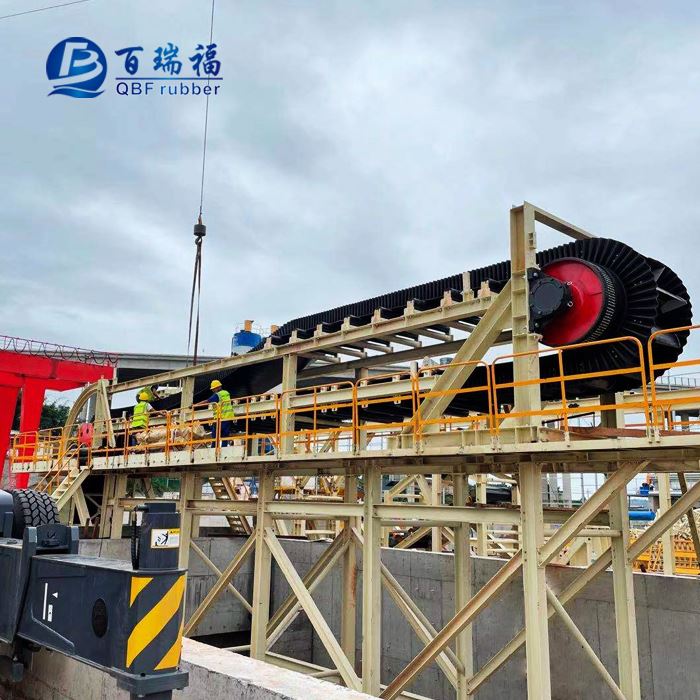
3. Maintenance and Installation
Proper installation and regular maintenance are key to maximizing the lifespan of a sidewall belt. Incorrect installation can cause uneven tension, misalignment, and excessive wear on certain parts of the belt. It's crucial to follow the manufacturer's installation guidelines carefully. Once installed, regular inspections and maintenance are necessary. This includes checking for signs of wear, such as cracks in the sidewalls or damage to the belt surface, and promptly addressing any issues. Lubricating moving parts, adjusting tension, and cleaning the belt regularly can also help prevent premature failure.
4. Type of Sidewall Belt
Different types of sidewall belts have different lifespans. For example, an Anti - stick Sidewall Conveyor Belt is designed to prevent materials from sticking to the belt surface. This type of belt is often used in applications where sticky materials are being transported, such as in the food or chemical industries. The anti - stick properties can reduce the amount of material buildup on the belt, which in turn can extend its lifespan. Similarly, a Vertical Conveyor Belt is specifically engineered for vertical transportation. Its design and construction are optimized to handle the unique challenges of vertical movement, which can affect its durability.
Estimating the Lifespan
It's difficult to provide an exact lifespan for a sidewall belt as it depends on the factors mentioned above. However, on average, a well - maintained sidewall belt in a normal operating environment can last anywhere from 2 to 5 years. In more demanding applications, such as heavy - duty mining, the lifespan may be closer to 1 to 2 years. In a relatively gentle, low - stress environment, it's possible for a sidewall belt to last up to 5 years or more.
Strategies to Extend the Lifespan
To help our customers get the most out of their sidewall belts, we recommend the following strategies:
1. Select the Right Belt
Choose a sidewall belt that is specifically designed for your application. Consider factors such as the type of material being transported, the operating environment, and the load capacity. Our team of experts can assist you in selecting the most suitable belt for your needs.
2. Follow Maintenance Schedule
Establish a regular maintenance schedule and stick to it. This includes daily visual inspections, weekly cleaning, and monthly tension adjustments. By catching and addressing issues early, you can prevent minor problems from turning into major failures.
3. Train Your Staff
Ensure that your staff is properly trained in the operation and maintenance of the sidewall belt. They should be aware of the signs of wear and tear and know how to perform basic maintenance tasks. Proper handling of the belt during operation can also prevent unnecessary damage.
Conclusion
The lifespan of a sidewall belt is influenced by a variety of factors, including material quality, operating conditions, maintenance, and the type of belt. By understanding these factors and implementing the strategies outlined above, you can extend the lifespan of your sidewall belt and improve the efficiency of your conveyor system.
If you're in the market for a high - quality sidewall belt or need advice on maximizing the lifespan of your existing belt, we're here to help. Contact us today to discuss your requirements and explore how our sidewall belts can meet your needs. We look forward to partnering with you to enhance your conveyor system's performance.
References
- Conveyor Belt Handbook, Manufacturer's Guide
- Industry research on conveyor belt durability and performance


