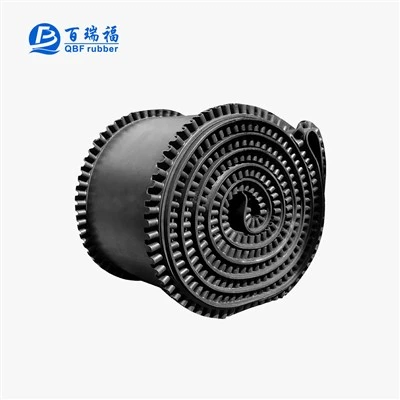
As a vendor specializing in Vertical Conveyor Belt, I've witnessed firsthand the pivotal role conveyor alignment plays in determining the service life of belts. In this blog, I'll delve into the various aspects of how conveyor alignment affects the belt's longevity, offering insights and practical advice for optimizing conveyor systems.
Understanding Conveyor Alignment
Conveyor alignment refers to the proper positioning and orientation of conveyor components, including the belt, pulleys, idlers, and frames. A well - aligned conveyor ensures that the belt runs smoothly along its intended path, minimizing unnecessary stress and wear. Misalignment, on the other hand, can lead to a host of problems that significantly reduce the belt's service life.
There are two main types of conveyor misalignment: lateral and angular. Lateral misalignment occurs when the belt drifts to one side of the conveyor, while angular misalignment happens when the belt is not running parallel to the conveyor's centerline. Both types of misalignment can be caused by a variety of factors, such as improper installation, uneven loading, worn components, or external forces.
Impact of Misalignment on Belt Wear
One of the most obvious effects of conveyor misalignment is increased belt wear. When the belt is misaligned, it rubs against the conveyor's side guides, pulleys, or other components. This friction generates heat and abrasion, which gradually wears down the belt's surface. Over time, the belt may develop cracks, cuts, or fraying, compromising its structural integrity and reducing its service life.
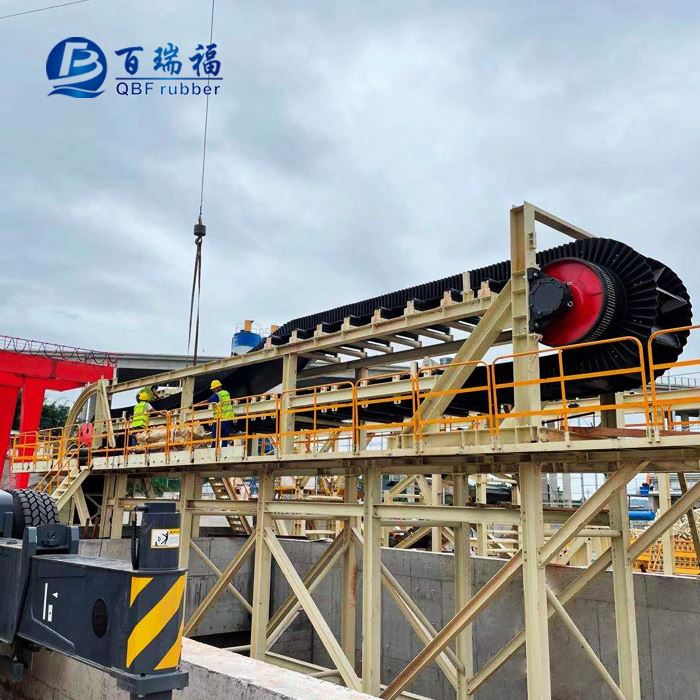

For example, lateral misalignment can cause the belt to rub against the side guides continuously. This not only wears out the edges of the belt but also increases the risk of the belt getting caught or torn. Angular misalignment, on the other hand, can lead to uneven loading on the belt, causing some areas to experience more stress than others. This uneven stress distribution can result in premature belt failure, especially in high - load applications.
Uneven Tension and Stress Distribution
Conveyor misalignment also disrupts the normal tension and stress distribution across the belt. In a properly aligned conveyor, the tension is evenly distributed along the belt's width, allowing it to carry the load efficiently. However, when the belt is misaligned, the tension becomes uneven, with some areas of the belt experiencing higher stress than others.
This uneven stress distribution can cause the belt to stretch or deform in certain areas, leading to a phenomenon known as belt creep. Belt creep can further exacerbate the misalignment problem, creating a vicious cycle that accelerates belt wear and failure. Additionally, high - stress areas are more prone to fatigue cracking, which can ultimately lead to belt breakage.
Tracking Issues and Belt Damage
Another consequence of misalignment is tracking problems. A misaligned belt may not track properly on the conveyor, causing it to wander off - center or snake back and forth. This erratic movement can damage the belt and other conveyor components.
For instance, if the belt is constantly moving off - center, it may come into contact with sharp edges or protrusions on the conveyor frame, causing cuts or punctures. Moreover, tracking issues can make it difficult to control the flow of materials on the conveyor, leading to spillage and product loss.
Reduced Conveyor Efficiency
In addition to shortening the belt's service life, misalignment can also reduce the overall efficiency of the conveyor system. A misaligned belt requires more energy to operate because of the increased friction and resistance. This not only increases energy costs but also puts additional strain on the conveyor's motor and other components, potentially leading to premature failure.
Furthermore, tracking problems and uneven loading can cause the conveyor to operate at a lower capacity, as the belt may not be able to carry the full load effectively. This can result in production delays and reduced throughput, which can have a significant impact on the bottom line.
Importance of Proper Alignment for Different Belt Types
The impact of conveyor alignment can vary depending on the type of belt being used. For example, Sidewall Belt are designed to handle vertical or inclined conveying applications. Misalignment in a sidewall belt conveyor can be particularly problematic, as it can cause the sidewalls to buckle or tear, leading to material spillage and belt failure.
Anti - stick Sidewall Conveyor Belt are often used in applications where sticky materials need to be conveyed. Misalignment in these belts can cause the anti - stick coating to wear off prematurely, reducing its effectiveness and increasing the risk of material build - up on the belt.
Preventive Measures and Maintenance
To ensure the long service life of conveyor belts, it is essential to maintain proper conveyor alignment. This starts with correct installation, where all conveyor components should be carefully positioned and leveled according to the manufacturer's specifications.
Regular maintenance is also crucial. This includes inspecting the conveyor for signs of misalignment, such as belt tracking issues, uneven wear, or abnormal noise. If misalignment is detected, it should be corrected promptly using appropriate adjustment methods, such as adjusting the pulleys or idlers.
Proper training for operators is another important aspect. Operators should be aware of the signs of misalignment and know how to perform basic maintenance tasks, such as cleaning the conveyor and checking the belt tension.
Conclusion
In conclusion, the alignment of a conveyor has a profound influence on the service life of the belt. Misalignment can lead to increased wear, uneven stress distribution, tracking problems, and reduced conveyor efficiency. By understanding the causes and effects of misalignment and taking proactive measures to maintain proper alignment, businesses can extend the service life of their conveyor belts, reduce maintenance costs, and improve overall productivity.
If you are in the market for high - quality Vertical Conveyor Belt or need advice on conveyor alignment and maintenance, we'd love to hear from you. Feel free to reach out to us to discuss your specific requirements and explore how we can help you optimize your conveyor system.
References
- Conveyor Belt Handbook, Published by the Conveyor Equipment Manufacturers Association.
- Belt Conveyors for Bulk Materials, Technical Report by the International Organization for Standardization (ISO).
- "The Effects of Conveyor Misalignment on Belt Performance" - Journal of Material Handling and Logistics.