

Hey there! As a supplier of Pipe Conveyor Belts, I often get asked about the anti-mildew property of these belts. So, I thought I'd take a moment to share some insights on this important topic.
What is Mildew and Why is it a Problem?
First things first, let's talk about what mildew is. Mildew is a type of fungus that thrives in warm, damp, and dark environments. It usually appears as a fuzzy or powdery substance, often in shades of black, white, or gray. When it comes to pipe conveyor belts, mildew can be a real headache.
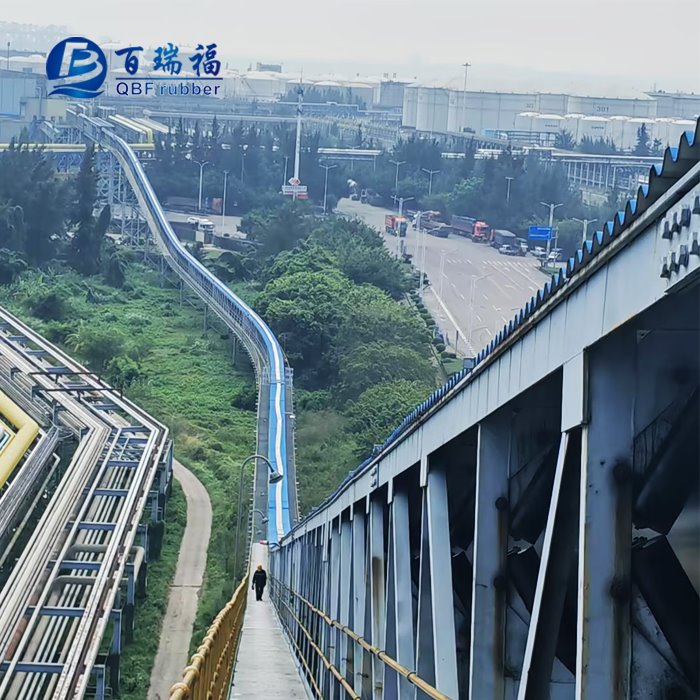
Pipe conveyor belts are used in various industries to transport materials. They are often exposed to different environmental conditions, including high humidity. If mildew starts to grow on the belt, it can cause several issues. For one, it can weaken the structure of the belt over time. Mildew can eat away at the materials that make up the belt, leading to cracks and tears. This not only reduces the lifespan of the belt but also poses a safety risk.
Moreover, mildew can contaminate the materials being transported. In industries like food processing or pharmaceuticals, this is a major no-no. Contaminated materials can lead to product recalls, which can be extremely costly for businesses.
How Our Pipe Conveyor Belts Have Anti-Mildew Properties
Now, let's get into the good stuff - how our pipe conveyor belts are designed to resist mildew.
We use special materials in the manufacturing process. These materials are inherently resistant to fungal growth. For example, we incorporate certain additives into the rubber compounds that make up the belt. These additives act as a deterrent to mildew, preventing it from taking hold on the surface of the belt.
Another important aspect is the surface treatment of the belt. We apply a special coating that not only makes the belt more durable but also creates an environment that is unfavorable for mildew growth. This coating is designed to repel moisture, which is one of the key factors that mildew needs to survive.
In addition to the materials and coating, our manufacturing process also plays a role. We ensure that the belts are properly cured and dried during production. This helps to eliminate any moisture that could potentially lead to mildew growth.
Testing and Quality Assurance
We don't just claim that our pipe conveyor belts have anti-mildew properties; we back it up with rigorous testing. We subject our belts to various environmental conditions in our testing facilities. We simulate high humidity and warm temperatures to see how the belts perform.
We also conduct long-term tests to monitor the growth of mildew over time. Our quality assurance team closely examines the belts for any signs of mildew growth. Only when the belts pass all of our tests do we consider them ready for the market.
Real-World Applications
Our pipe conveyor belts with anti-mildew properties have been used in a wide range of industries. In the mining industry, for example, the belts are exposed to harsh environmental conditions, including high humidity in underground mines. Our anti-mildew belts have proven to be reliable in these situations, lasting longer and requiring less maintenance.
In the food and beverage industry, the anti-mildew property is crucial. Our belts ensure that the products being transported remain safe and free from contamination. This gives our customers peace of mind knowing that their products are being handled in a hygienic manner.
The Importance of Anti-Mildew Belts in Cost Savings
Investing in pipe conveyor belts with anti-mildew properties can lead to significant cost savings for businesses. As I mentioned earlier, mildew can damage the belts, leading to frequent replacements. By using our anti-mildew belts, businesses can extend the lifespan of their belts, reducing the need for costly replacements.
In addition, the reduced risk of product contamination means fewer product recalls. Product recalls can be extremely expensive, not only in terms of the cost of the recalled products but also in terms of damage to the company's reputation. By preventing mildew growth, our belts help businesses avoid these costly issues.
How to Maintain the Anti-Mildew Property
While our pipe conveyor belts are designed to resist mildew, proper maintenance is still important. Here are some tips to help you maintain the anti-mildew property of the belts:
- Keep the belts clean: Regularly clean the belts to remove any dirt, debris, or moisture that could potentially lead to mildew growth. Use a mild detergent and water to clean the belts, and make sure to dry them thoroughly after cleaning.
- Control the environment: If possible, control the environmental conditions where the belts are used. Keep the humidity levels low and ensure proper ventilation. This will help to create an environment that is less favorable for mildew growth.
- Inspect the belts regularly: Regularly inspect the belts for any signs of mildew growth or damage. If you notice any issues, address them immediately to prevent further damage.
Conclusion
In conclusion, the anti-mildew property of our pipe conveyor belts is a crucial feature that offers many benefits. From extending the lifespan of the belts to preventing product contamination and reducing costs, our belts are designed to meet the needs of various industries.
If you're in the market for a reliable Tube Conveyor Belt with excellent anti-mildew properties, we'd love to hear from you. Whether you're in the mining, food processing, or any other industry, our belts can provide the solution you need. Contact us today to start a conversation about your specific requirements and how we can help you find the perfect pipe conveyor belt for your business.
References
- "Fungal Growth on Rubber Materials: Causes and Prevention" - Journal of Material Science
- "The Impact of Mildew on Conveyor Belt Performance" - Industrial Conveyor Belt Research Institute


