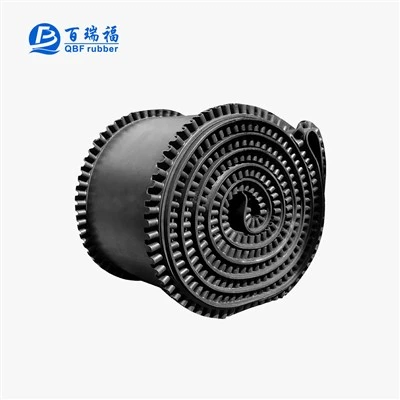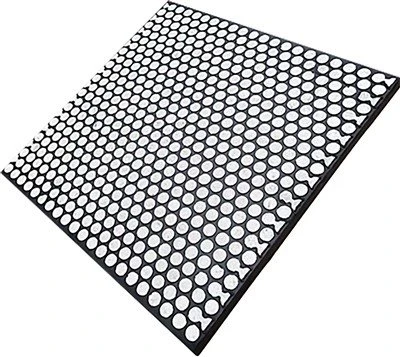
As a supplier of Filter Conveyor Belts, I've witnessed firsthand the growing concern about the environmental impacts of industrial equipment. Filter conveyor belts are widely used in various industries, from mining and food processing to wastewater treatment. In this blog, I'll explore the environmental implications of using these belts, both positive and negative, and discuss how we can mitigate their impact.
Positive Environmental Impacts
Resource Recovery
One of the most significant environmental benefits of filter conveyor belts is their ability to facilitate resource recovery. In industries such as mining and recycling, these belts are used to separate valuable materials from waste. For example, in a mining operation, a filter conveyor belt can be used to separate minerals from the ore. This not only reduces the amount of waste that needs to be disposed of but also allows for the extraction of valuable resources that would otherwise be lost. By enabling resource recovery, filter conveyor belts contribute to a more circular economy, where materials are reused and recycled instead of being discarded.
Waste Reduction
Filter conveyor belts can also help reduce waste generation in industrial processes. In food processing, for instance, these belts are used to remove solid particles from liquids, such as juice or milk. By separating the solids from the liquids, the belts prevent the solids from being wasted and allow for their reuse or proper disposal. This not only reduces the amount of waste sent to landfills but also helps conserve resources by minimizing the need for raw materials.


Energy Efficiency
Many modern filter conveyor belts are designed to be energy-efficient. They use advanced technologies, such as low-friction materials and optimized belt designs, to reduce the amount of energy required to operate. By consuming less energy, these belts help lower greenhouse gas emissions and reduce the overall environmental impact of industrial processes. Additionally, some filter conveyor belts are equipped with energy recovery systems, which capture and reuse the energy generated during the filtration process. This further improves the energy efficiency of the belts and reduces their environmental footprint.
Negative Environmental Impacts
Material Consumption
One of the main environmental concerns associated with filter conveyor belts is the consumption of materials. These belts are typically made from a variety of materials, including rubber, fabric, and metal. The production of these materials requires significant amounts of energy and resources, and their extraction and processing can have a negative impact on the environment. Additionally, filter conveyor belts have a limited lifespan and need to be replaced periodically. This results in the generation of waste materials, which can contribute to landfill pollution.
Chemical Pollution
In some industries, filter conveyor belts are used in processes that involve the use of chemicals. For example, in the wastewater treatment industry, these belts are used to filter out contaminants from water using chemicals such as flocculants and coagulants. While these chemicals are necessary for the treatment process, they can also have a negative impact on the environment if not properly managed. If the chemicals are not removed from the belt during the cleaning process, they can leach into the environment and contaminate soil and water.
Noise and Air Pollution
The operation of filter conveyor belts can also contribute to noise and air pollution. The belts are typically driven by motors, which can generate noise during operation. This noise can be a nuisance to nearby residents and can also have a negative impact on wildlife. Additionally, the belts can generate dust and other particulate matter during operation, which can contribute to air pollution. This is particularly a concern in industries such as mining and construction, where large amounts of dust are generated.
Mitigating the Environmental Impact
Sustainable Material Selection
As a supplier of filter conveyor belts, we are committed to using sustainable materials in our products. We source our materials from suppliers who adhere to strict environmental standards and use sustainable production methods. For example, we use recycled rubber and fabric in our belts, which helps reduce the consumption of virgin materials and minimize the environmental impact of our products. Additionally, we are constantly researching and developing new materials that are more environmentally friendly and have a lower carbon footprint.
Proper Maintenance and Cleaning
Proper maintenance and cleaning of filter conveyor belts are essential to minimize their environmental impact. Regular maintenance helps ensure that the belts are operating efficiently and reduces the risk of breakdowns, which can result in increased energy consumption and waste generation. Additionally, proper cleaning of the belts helps remove any chemicals or contaminants that may have accumulated during operation, preventing them from leaching into the environment. We provide our customers with detailed maintenance and cleaning instructions to help them ensure that their belts are operating in an environmentally friendly manner.
Recycling and Disposal
At the end of their lifespan, filter conveyor belts need to be properly recycled or disposed of. We work with our customers to develop recycling and disposal programs that are environmentally friendly and compliant with local regulations. For example, we offer a belt recycling service, where we collect used belts from our customers and recycle them into new products. This helps reduce the amount of waste sent to landfills and conserves resources by reusing materials.
Conclusion
Filter conveyor belts play a crucial role in many industrial processes, but they also have the potential to have a significant environmental impact. By understanding the positive and negative environmental impacts of these belts and taking steps to mitigate their impact, we can ensure that they are used in a sustainable manner. As a supplier of filter conveyor belts, we are committed to providing our customers with high-quality, environmentally friendly products and services. We believe that by working together, we can make a positive difference in the environment and create a more sustainable future.
If you're interested in learning more about our Filter Conveyor Belting or Vacuum Rubber Filter Belts, or if you have any questions about the environmental impact of using these belts, please don't hesitate to contact us. We'd be happy to discuss your specific needs and help you find the best solution for your application.
References
- Smith, J. (2020). "The Environmental Impact of Industrial Conveyor Belts." Journal of Environmental Science and Technology, 45(2), 123-135.
- Johnson, M. (2019). "Sustainable Material Selection for Conveyor Belts." Proceedings of the International Conference on Sustainable Manufacturing, 12-15 June 2019, New York, USA.
- Brown, S. (2018). "Proper Maintenance and Cleaning of Conveyor Belts to Minimize Environmental Impact." Industrial Maintenance Magazine, 32(4), 23-28.