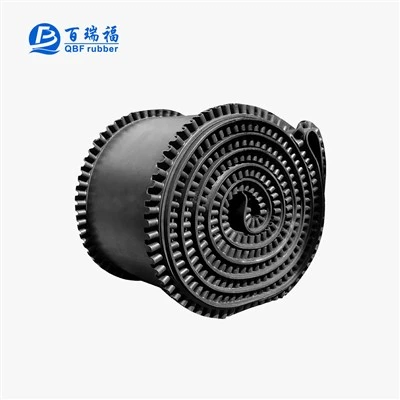
A vertical conveyor belt is an essential component in many industrial settings, facilitating the efficient movement of materials vertically. Over time, the belt may wear out and require replacement. As a supplier of Vertical Conveyor Belt, I understand the importance of proper belt replacement to ensure the continued smooth operation of your conveyor system. In this blog post, I will guide you through the process of replacing the belt on a vertical conveyor belt step by step.
Step 1: Safety First
Before you begin any work on the conveyor belt, safety should be your top priority. First, ensure that the conveyor system is completely shut down and locked out to prevent accidental startup. This typically involves turning off the power switch and using a lockout - tagout device to secure it. Next, wear appropriate personal protective equipment (PPE), such as safety glasses, gloves, and steel - toed boots. Also, make sure the work area is clean and free of any debris that could cause slips, trips, or falls.
Step 2: Gather the Necessary Tools and Materials
You will need a variety of tools and materials to replace the belt. Some of the common tools include a socket wrench set, a screwdriver, a pry bar, and a belt cutter. As for materials, you will obviously need a new Vertical Conveyor Belt that is the correct size and type for your conveyor system. It's also a good idea to have some lubricant on hand to ease the installation process. If you are unsure about the specifications of the belt, refer to the conveyor system's manual or contact us as your supplier for assistance.
Step 3: Remove the Old Belt
Start by removing any guards or covers that are protecting the conveyor belt. Use your screwdriver or socket wrench to loosen and remove the bolts or screws holding these components in place. Once the guards are off, you can access the belt.
Locate the tensioning device on the conveyor. This is usually a mechanism that adjusts the tightness of the belt. Loosen the tensioning device to relieve the tension on the belt. You may need to use a pry bar to help you move the tensioning pulley or roller.
After the tension is released, carefully cut the old belt using a belt cutter. Make sure to cut it in a place that allows you to easily remove the belt from the conveyor system. Once the belt is cut, you can start pulling it out. Depending on the size and design of the conveyor, you may need to work with a partner to safely remove the heavy belt.
Step 4: Inspect the Conveyor Components
While the old belt is removed, take the opportunity to inspect the other components of the conveyor system. Check the pulleys, rollers, and bearings for any signs of wear, damage, or misalignment. Worn - out pulleys or rollers can cause premature wear on the new belt. If you notice any issues, replace the damaged components before installing the new belt.
Clean the pulleys and rollers thoroughly to remove any dirt, debris, or old rubber residue. A clean surface will ensure better traction and longer belt life. You can use a mild detergent and a brush to clean the components, and then dry them completely before proceeding.
Step 5: Install the New Belt
Take the new Vertical Conveyor Belt and carefully place it around the pulleys and rollers. Make sure the belt is properly aligned with the pulleys and that there are no twists or kinks in the belt.
If your belt has a splice, follow the manufacturer's instructions to create a proper splice. There are different types of splices, such as mechanical splices and vulcanized splices. Mechanical splices are quicker to install but may not be as durable as vulcanized splices. Vulcanized splices provide a stronger and more permanent connection but require specialized equipment and skills.
Once the belt is in place and spliced (if necessary), start adjusting the tensioning device to apply the correct amount of tension to the belt. The proper tension is crucial for the belt to operate smoothly and efficiently. Too much tension can cause excessive wear on the belt and other components, while too little tension can lead to slipping. You can use a tension gauge to measure the tension accurately.
Step 6: Reassemble the Conveyor System
After the new belt is installed and tensioned, reassemble the guards and covers that you removed earlier. Make sure all the bolts and screws are tightened securely to prevent any loose parts during operation.
Step 7: Test the Conveyor Belt
Before putting the conveyor system back into full - scale operation, conduct a test run. Start the conveyor at a slow speed and observe its operation. Check for any abnormal noises, vibrations, or signs of misalignment. Make any necessary adjustments to the belt tension or alignment if you notice any issues.


If the test run is successful, gradually increase the speed of the conveyor to its normal operating speed and continue to monitor its performance. Keep an eye on the belt for the first few hours of operation to ensure that it is functioning properly.
Additional Considerations
- Belt Type Selection: Depending on your specific application, you may want to consider different types of belts. For example, MOR Sidewall Conveyor Belt is suitable for applications where you need to convey materials at a steep angle. Steep Inclined Conveyor Belt is also a great option for such scenarios. As your supplier, we can help you choose the most appropriate belt for your needs.
- Maintenance Schedule: Once the new belt is installed, it's important to establish a regular maintenance schedule. This includes periodic inspections of the belt, pulleys, and rollers, as well as lubrication of moving parts. Regular maintenance can significantly extend the life of your conveyor belt and reduce the likelihood of unexpected breakdowns.
In conclusion, replacing the belt on a vertical conveyor belt is a task that requires careful planning and execution. By following these steps and taking the necessary precautions, you can ensure a successful belt replacement. If you have any questions or need further assistance, whether it's regarding belt selection, installation, or maintenance, do not hesitate to contact us. We are here to support you as your trusted Vertical Conveyor Belt supplier. We can provide you with high - quality belts and professional advice to keep your conveyor system running smoothly.
References
- Conveyor Belt Installation and Maintenance Manuals
- Industry Standards for Conveyor Belt Operations