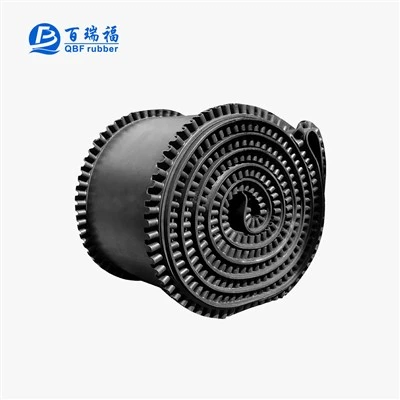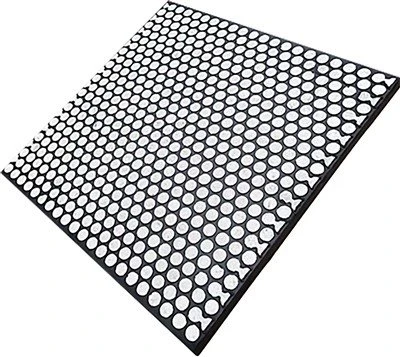
Hey there! As a supplier of Bucket Elevator Belt, I've seen firsthand how power consumption can be a real pain point for businesses using these belts. High power bills not only eat into your profits but also aren't great for the environment. So, in this blog, I'm gonna share some practical tips on how to reduce the power consumption of a bucket elevator belt.
Choose the Right Belt
First off, picking the right Bucket Elevator Belt is crucial. You need to consider factors like the type of material you're transporting, the distance it needs to travel, and the operating conditions. For example, if you're dealing with hot materials, a Heat Resistant Bucket Elevator Belt is a must. These belts are designed to withstand high temperatures without losing their strength or flexibility, which means they'll run more efficiently and use less power.

When choosing a belt, also pay attention to its weight. A heavier belt will require more power to move, so go for a lightweight option that still meets your load requirements. Look for belts made from high - strength, low - weight materials like synthetic polymers. These materials can handle the stress of the load while reducing the overall weight of the belt.
Optimize the Belt Tension
Proper belt tension is key to reducing power consumption. If the belt is too loose, it can slip on the pulleys, causing the motor to work harder to maintain the required speed. On the other hand, if the belt is too tight, it can put extra stress on the motor and other components, also increasing power usage.
To find the optimal tension, you can use a tension gauge. Start by setting the tension to the manufacturer's recommended level. Then, run the elevator for a short period and check for any signs of slipping or excessive wear. If necessary, make small adjustments to the tension until you find the sweet spot. Regularly checking and adjusting the belt tension will ensure that the elevator runs smoothly and uses less power.
Maintain the Pulleys and Rollers
The pulleys and rollers play a vital role in the operation of the bucket elevator belt. Worn - out or misaligned pulleys and rollers can increase friction, which in turn leads to higher power consumption. So, it's important to keep them in good condition.
Regularly inspect the pulleys and rollers for signs of wear, such as cracks, dents, or uneven surfaces. Replace any damaged components immediately. Also, make sure the pulleys and rollers are properly aligned. Misaligned pulleys can cause the belt to run off - center, increasing friction and power usage. You can use alignment tools to check and adjust the alignment of the pulleys and rollers.
Lubrication is another important aspect of pulley and roller maintenance. Apply a high - quality lubricant to the bearings of the pulleys and rollers at regular intervals. This will reduce friction and wear, allowing the components to rotate more freely and reducing power consumption.
Control the Loading Rate
Overloading the bucket elevator belt is a common cause of high power consumption. When the belt is carrying more material than it's designed to handle, the motor has to work harder to move the load. So, it's important to control the loading rate.
Use a feeder or conveyor system to regulate the amount of material being fed into the elevator. Make sure the loading rate is within the recommended capacity of the belt. You can also monitor the power consumption of the elevator while it's running. If you notice a significant increase in power usage, it could be a sign that the belt is overloaded. Adjust the loading rate accordingly to keep the power consumption in check.
Upgrade the Motor and Drive System
If your bucket elevator is an older model, upgrading the motor and drive system can significantly reduce power consumption. Newer motors are more energy - efficient, with features like variable frequency drives (VFDs). VFDs allow you to adjust the speed of the motor based on the load requirements. When the elevator is carrying a light load, the motor can run at a lower speed, using less power. When the load increases, the motor can automatically increase its speed to handle the load.
Before upgrading the motor and drive system, consult with a professional to determine the best option for your specific application. They can help you choose a motor and drive system that is compatible with your elevator and will provide the greatest energy savings.
Implement a Maintenance Schedule
Regular maintenance is essential for reducing the power consumption of a bucket elevator belt. By keeping the belt, pulleys, rollers, and other components in good condition, you can prevent problems that can lead to increased power usage.
Create a maintenance schedule that includes tasks like belt inspections, pulley and roller maintenance, lubrication, and tension adjustments. Stick to the schedule and keep detailed records of all maintenance activities. This will help you identify any potential issues early on and take corrective action before they cause a significant increase in power consumption.
Monitor and Analyze Power Consumption
Finally, it's important to monitor and analyze the power consumption of your bucket elevator belt on a regular basis. Use a power meter to measure the amount of electricity the elevator is using. Keep track of the power consumption over time and look for any trends or patterns.
If you notice a sudden increase in power consumption, investigate the cause immediately. It could be due to a problem with the belt, pulleys, rollers, or motor. By identifying and fixing the problem quickly, you can prevent further increases in power consumption and save money in the long run.
In conclusion, reducing the power consumption of a bucket elevator belt requires a combination of proper belt selection, maintenance, and operational control. By following these tips, you can not only save on energy costs but also extend the lifespan of your elevator and improve its overall performance.
If you're interested in learning more about Bucket Elevator Belt or need help with reducing power consumption, feel free to reach out. We're here to assist you in finding the best solutions for your business. Let's work together to make your operations more energy - efficient and cost - effective!
References
- Industry standards and guidelines for bucket elevator belts
- Manufacturer's manuals for bucket elevator components
- Research papers on energy - efficient conveyor systems