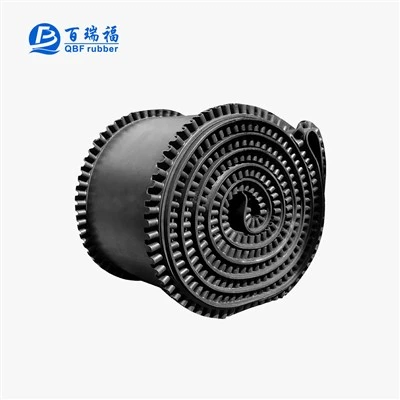
As a fabric conveyor belt supplier, I've witnessed firsthand the crucial role these belts play in various industries. From manufacturing to mining, fabric conveyor belts are the unsung heroes that keep operations running smoothly. However, one of the most significant challenges they face is chemical damage. In this blog post, I'll share some practical tips on how to protect a fabric conveyor belt from chemical damage.
Understanding Chemical Damage
Before we dive into the prevention strategies, it's essential to understand how chemicals can damage a fabric conveyor belt. Chemicals can react with the belt's materials, causing degradation, swelling, or embrittlement. This can lead to reduced belt strength, increased wear and tear, and ultimately, premature failure.
The type of damage depends on several factors, including the chemical's properties, concentration, temperature, and exposure time. For example, acids and alkalis can corrode the belt's rubber cover, while solvents can dissolve it. Oxidizing agents can cause the belt to become brittle, and abrasive chemicals can wear down the belt's surface.
Selecting the Right Belt Material
The first step in protecting a fabric conveyor belt from chemical damage is to select the right belt material. Different materials have different chemical resistance properties, so it's crucial to choose a belt that can withstand the chemicals it will come into contact with.
For example, if your conveyor belt will be exposed to acids, you might consider a belt with a neoprene or nitrile rubber cover. These materials are resistant to many acids and can provide good protection against chemical damage. On the other hand, if your belt will be exposed to solvents, you might choose a belt with a fluorocarbon rubber cover, which is highly resistant to solvents.
It's also important to consider the belt's fabric reinforcement. The fabric provides the belt with its strength and stability, so it's essential to choose a fabric that is resistant to the chemicals it will be exposed to. For example, polyester and nylon fabrics are generally resistant to many chemicals, while cotton fabrics are more susceptible to chemical damage.
Implementing Proper Cleaning Procedures
Regular cleaning is essential for maintaining the integrity of a fabric conveyor belt and preventing chemical damage. Chemicals can build up on the belt's surface over time, leading to increased wear and tear and potential chemical reactions. By implementing proper cleaning procedures, you can remove these chemicals and prevent them from causing damage.
The cleaning method you choose will depend on the type of chemicals the belt is exposed to and the belt's material. For example, if the belt is exposed to water-soluble chemicals, you might be able to clean it with water and a mild detergent. However, if the belt is exposed to oil-based chemicals, you might need to use a solvent-based cleaner.
It's important to follow the manufacturer's recommendations when cleaning the conveyor belt. Using the wrong cleaning method or chemicals can damage the belt and reduce its lifespan. Additionally, it's important to clean the belt regularly to prevent chemical buildup.
Using Chemical-Resistant Coatings
Another effective way to protect a fabric conveyor belt from chemical damage is to use chemical-resistant coatings. These coatings can provide an additional layer of protection between the belt and the chemicals it comes into contact with.
There are several types of chemical-resistant coatings available, including epoxy, polyurethane, and rubber coatings. Each type of coating has its own advantages and disadvantages, so it's important to choose the coating that is best suited for your application.
For example, epoxy coatings are highly resistant to many chemicals and can provide excellent protection against corrosion. Polyurethane coatings are flexible and can withstand abrasion, making them a good choice for belts that are exposed to abrasive chemicals. Rubber coatings are resistant to many chemicals and can provide good protection against wear and tear.
When applying a chemical-resistant coating, it's important to follow the manufacturer's instructions carefully. The coating must be applied evenly and allowed to dry completely before the belt is put back into service.
Monitoring Chemical Exposure
Regular monitoring of chemical exposure is essential for protecting a fabric conveyor belt from chemical damage. By monitoring the chemicals the belt is exposed to, you can detect any potential problems early and take corrective action before the damage becomes severe.
There are several ways to monitor chemical exposure, including using chemical sensors, conducting regular inspections, and analyzing the belt's performance. Chemical sensors can be used to detect the presence of specific chemicals in the environment and provide real-time data on chemical exposure levels.
Regular inspections can help you identify any signs of chemical damage, such as discoloration, swelling, or cracking. By inspecting the belt regularly, you can detect any problems early and take corrective action before the damage becomes severe.
Analyzing the belt's performance can also provide valuable information about chemical exposure. For example, if the belt's tension or speed changes suddenly, it could be a sign of chemical damage. By monitoring the belt's performance, you can detect any changes early and take corrective action before the damage becomes severe.
Training Employees
Proper training of employees is essential for protecting a fabric conveyor belt from chemical damage. Employees who work with conveyor belts should be trained on the proper handling and use of chemicals, as well as the importance of following safety procedures.

Employees should be trained on how to identify the chemicals the belt is exposed to and the potential hazards associated with these chemicals. They should also be trained on how to use personal protective equipment (PPE) correctly, such as gloves, goggles, and respirators.
In addition to training on chemical safety, employees should also be trained on the proper cleaning and maintenance procedures for the conveyor belt. By following these procedures, employees can help prevent chemical damage and extend the lifespan of the belt.
Conclusion
Protecting a fabric conveyor belt from chemical damage is essential for ensuring its long-term performance and reliability. By selecting the right belt material, implementing proper cleaning procedures, using chemical-resistant coatings, monitoring chemical exposure, and training employees, you can minimize the risk of chemical damage and extend the lifespan of your conveyor belt.
If you're in the market for a fabric conveyor belt or need more information on how to protect your existing belt from chemical damage, please don't hesitate to contact us. We're a leading Textile Conveyor Belt supplier with years of experience in the industry, and we're committed to providing our customers with high-quality products and excellent service.
References
- Conveyor Belt Handbook, published by the Conveyor Equipment Manufacturers Association
- Chemical Resistance Guide for Rubber and Plastics, published by the Rubber Manufacturers Association
- Industrial Conveyor Belt Maintenance and Troubleshooting, published by the International Society of Automation