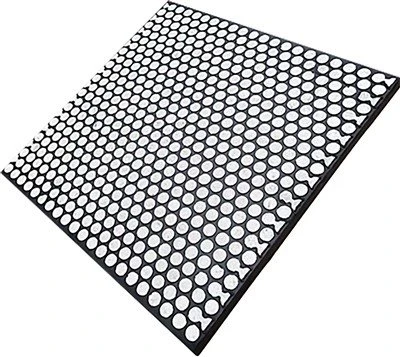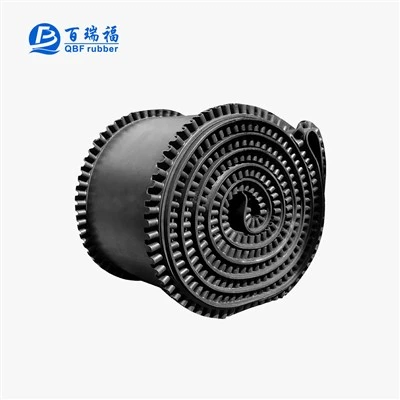
Hey there! As a supplier of sidewall conveyor belts, I've seen firsthand how crucial these belts are in various industries. Whether it's mining, agriculture, or manufacturing, a sidewall conveyor belt can significantly streamline operations. But here's the thing: like any piece of equipment, its efficiency can sometimes take a nosedive. So, in this blog, I'm gonna share some tips on how to improve the efficiency of a sidewall conveyor belt.
1. Regular Maintenance Checks
Just like you'd take your car in for regular tune - ups, your sidewall conveyor belt needs routine maintenance. Start by inspecting the belt for any signs of wear and tear. Look out for cuts, frays, or uneven wear on the sidewalls and the base of the belt. A small cut can quickly turn into a major issue if left unattended, leading to material spillage and reduced efficiency.
Check the tension of the belt regularly. An overly loose belt can slip, causing the conveyor to lose power and operate inefficiently. On the other hand, a belt that's too tight can put extra strain on the motor and other components, leading to premature wear. Use a tension gauge to ensure the belt is at the optimal tension level.


Don't forget about the rollers and pulleys. Make sure they're clean and free of debris. Dirty or damaged rollers can cause the belt to track unevenly, increasing friction and reducing efficiency. Lubricate the bearings of the rollers and pulleys as recommended by the manufacturer to keep them running smoothly.
2. Choose the Right Belt for the Job
Not all sidewall conveyor belts are created equal. When selecting a belt, you need to consider the type of material you'll be conveying, the distance it needs to travel, and the operating environment.
For example, if you're dealing with abrasive materials like gravel or ore, you'll need a belt with a high - abrasion resistance. MOR Sidewall Conveyor Belt is a great option in such cases. It's designed to withstand the harsh conditions of abrasive material handling, ensuring a longer service life and better efficiency.
If you need to convey materials at a steep angle, a High Angle Conveyor Belt is the way to go. These belts are specifically engineered to handle high - angle conveying, reducing the need for multiple conveyors and saving space and energy.
For vertical conveying applications, a Vertical Conveyor Belt is your best bet. It can efficiently move materials straight up, which is ideal for multi - level factories or storage facilities.
3. Optimize the Loading Process
How you load the material onto the conveyor belt can have a big impact on its efficiency. Make sure the material is evenly distributed across the width of the belt. Uneven loading can cause the belt to sag or track unevenly, leading to increased wear and reduced efficiency.
Use a feeder or a hopper to control the flow of material onto the belt. This helps prevent overloading, which can put extra strain on the belt and the motor. Adjust the speed of the feeder to match the speed of the conveyor belt to ensure a consistent flow of material.
If possible, pre - screen the material before loading it onto the conveyor. Removing large chunks or foreign objects can prevent blockages and damage to the belt, improving overall efficiency.
4. Upgrade the Conveyor System
Sometimes, the best way to improve the efficiency of a sidewall conveyor belt is to upgrade the entire conveyor system. Consider installing a variable frequency drive (VFD) on the motor. A VFD allows you to adjust the speed of the conveyor belt based on the load, saving energy and reducing wear on the components.
Invest in a belt tracking system. These systems use sensors to detect when the belt is tracking off - center and automatically adjust the position of the belt to keep it running straight. This reduces friction and wear, improving the efficiency and lifespan of the belt.
You can also upgrade the control system of the conveyor. A modern control system can provide real - time monitoring of the conveyor's performance, allowing you to detect and address issues before they become major problems.
5. Train Your Staff
Your staff plays a crucial role in the efficiency of the sidewall conveyor belt. Make sure they're properly trained on how to operate and maintain the conveyor system. Provide them with clear instructions on how to load the material correctly, how to perform routine maintenance checks, and what to do in case of an emergency.
Encourage your staff to report any issues or abnormalities they notice with the conveyor belt immediately. Early detection of problems can prevent costly breakdowns and keep the conveyor running smoothly.
Regularly review and update the training program to ensure your staff is up - to - date with the latest best practices and safety procedures.
Conclusion
Improving the efficiency of a sidewall conveyor belt is a combination of regular maintenance, choosing the right belt, optimizing the loading process, upgrading the system, and training your staff. By following these tips, you can ensure that your sidewall conveyor belt operates at peak efficiency, saving you time, money, and headaches.
If you're looking for high - quality sidewall conveyor belts or need advice on improving the efficiency of your conveyor system, don't hesitate to reach out. We're here to help you find the best solutions for your specific needs. Contact us today to start a conversation about your conveyor belt requirements.
References
- Conveyor Belt Handbook, Manufacturer's Edition
- Industry Best Practices for Conveyor System Efficiency
- Technical Papers on Sidewall Conveyor Belt Design and Operation