In the dynamic landscape of industrial operations, the efficiency of material handling processes stands as a cornerstone of productivity. Among the many components that contribute to seamless material flow, textile conveyor belts play a pivotal role. As a leading supplier of Textile Conveyor Belt, I've witnessed firsthand how the surface texture of these belts can significantly impact material handling. In this blog, I'll delve into the intricate relationship between surface texture and material handling, exploring the various ways it influences performance, efficiency, and overall productivity.
Understanding Surface Texture
Before we dive into the effects of surface texture on material handling, it's essential to understand what we mean by surface texture. In the context of textile conveyor belts, surface texture refers to the physical characteristics of the belt's surface, including its roughness, smoothness, pattern, and porosity. These characteristics are determined by a variety of factors, such as the type of fabric used, the manufacturing process, and any additional treatments or coatings applied to the belt.
Impact on Material Grip and Stability
One of the most significant ways in which surface texture affects material handling is through its impact on material grip and stability. A conveyor belt with a rough or textured surface provides better traction, allowing it to grip materials more securely and prevent them from slipping or sliding during transport. This is particularly important when handling heavy or irregularly shaped materials, as well as materials that are prone to rolling or shifting.
For example, in the mining industry, conveyor belts are often used to transport large rocks and minerals. A belt with a rough surface texture helps to prevent these materials from rolling off the belt, reducing the risk of accidents and improving overall safety. Similarly, in the food processing industry, conveyor belts are used to transport delicate items such as fruits and vegetables. A belt with a gentle texture can help to prevent these items from bruising or damage, ensuring that they reach their destination in good condition.
Influence on Material Flow and Conveyance
The surface texture of a textile conveyor belt also plays a crucial role in determining the flow and conveyance of materials. A smooth surface texture allows materials to slide easily along the belt, reducing friction and minimizing the energy required to move them. This is particularly beneficial for applications where high-speed conveyance is required, such as in the packaging industry.
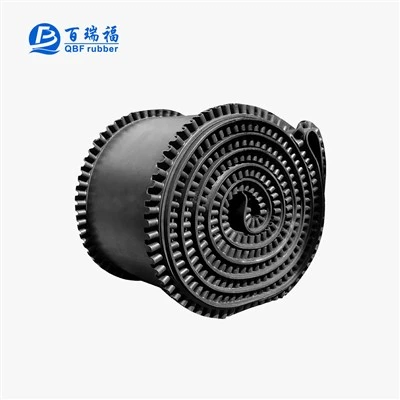
On the other hand, a textured surface can be used to control the flow of materials and prevent them from bunching up or clogging the conveyor system. For example, a belt with a ribbed or patterned surface can be used to guide materials in a specific direction, ensuring that they are evenly distributed across the belt and preventing blockages.
Effect on Cleaning and Maintenance
Another important consideration when it comes to surface texture is its impact on cleaning and maintenance. A smooth surface is generally easier to clean than a textured surface, as there are fewer crevices and pores for dirt and debris to accumulate in. This makes smooth-surfaced conveyor belts ideal for applications where hygiene is a top priority, such as in the pharmaceutical and food industries.
However, in some cases, a textured surface may actually be easier to clean. For example, a belt with a porous surface can allow water and cleaning agents to penetrate more easily, making it easier to remove stubborn stains and contaminants. Additionally, a textured surface can help to prevent materials from sticking to the belt, reducing the need for frequent cleaning and maintenance.
Considerations for Different Industries
The ideal surface texture for a textile conveyor belt will depend on a variety of factors, including the type of materials being handled, the operating environment, and the specific requirements of the application. Here are some considerations for different industries:
- Mining and Aggregate: In the mining and aggregate industries, conveyor belts are often exposed to harsh conditions and abrasive materials. A belt with a rough surface texture and high abrasion resistance is typically required to ensure long-lasting performance and reliable operation.
- Food Processing: In the food processing industry, hygiene and product safety are of utmost importance. A smooth, easy-to-clean surface is essential to prevent the growth of bacteria and ensure compliance with food safety regulations. Additionally, a belt with a gentle texture can help to prevent damage to delicate food items.
- Packaging and Manufacturing: In the packaging and manufacturing industries, high-speed conveyance and precise material handling are often required. A smooth surface texture can help to minimize friction and improve the efficiency of the conveyor system, while a textured surface can be used to control the flow of materials and prevent them from slipping or sliding.
- Automotive and Electronics: In the automotive and electronics industries, conveyor belts are used to transport small, delicate components. A belt with a static-dissipative surface texture can help to prevent electrostatic discharge (ESD), which can damage sensitive electronic components.
Choosing the Right Surface Texture
When choosing a textile conveyor belt for your application, it's important to consider the specific requirements of your operation and select a belt with the appropriate surface texture. Here are some tips to help you make the right choice:
- Understand Your Materials: Consider the type of materials you'll be handling, including their size, shape, weight, and texture. This will help you determine the level of grip and stability required.
- Evaluate Your Operating Environment: Take into account the operating environment, including the temperature, humidity, and presence of chemicals or abrasives. This will help you select a belt with the appropriate resistance to wear, corrosion, and other environmental factors.
- Consider Your Conveyor System: Think about the design and configuration of your conveyor system, including the speed, inclination, and length of the belt. This will help you determine the type of surface texture that will best suit your needs.
- Consult with an Expert: If you're unsure which surface texture is right for your application, consult with an experienced conveyor belt supplier. They can provide you with expert advice and recommend the best belt for your specific requirements.
Conclusion
In conclusion, the surface texture of a textile conveyor belt plays a crucial role in determining its performance, efficiency, and overall productivity. By understanding the impact of surface texture on material handling, you can make informed decisions when selecting a conveyor belt for your application. Whether you need a belt with a rough surface for better grip and stability, a smooth surface for easy cleaning and high-speed conveyance, or a textured surface for precise material control, there is a solution available to meet your needs.
As a leading supplier of Textile Conveyor Belt, I'm committed to providing our customers with high-quality conveyor belts that are tailored to their specific requirements. If you're looking for a reliable and efficient conveyor belt solution, I encourage you to contact us today to discuss your needs and learn more about our products and services.

References
- Conveyor Belt Handbook, [Publisher], [Year]
- Industrial Conveyor Belt Technology, [Author], [Publisher], [Year]
- Textile Conveyor Belt Design and Application Guide, [Organization], [Year]