Can a fabric conveyor belt be used in the textile industry?
As a seasoned supplier of fabric conveyor belts, I've often been asked whether these belts can be effectively utilized in the textile industry. The answer is a resounding yes, and in this blog, I'll delve into the reasons why fabric conveyor belts are not only suitable but also offer numerous advantages in textile manufacturing processes.
Understanding Fabric Conveyor Belts
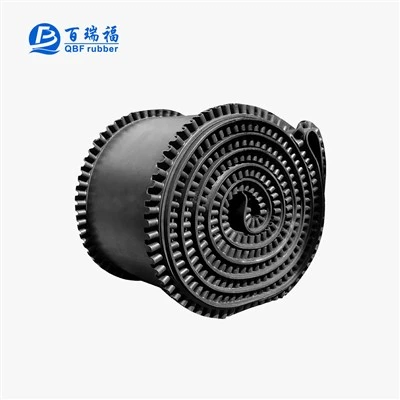
Fabric conveyor belts are made from multiple layers of fabric, which are typically coated with various materials to enhance their performance. The fabric layers provide strength and flexibility, while the coating can offer properties such as resistance to abrasion, chemicals, and heat. These belts come in a variety of widths, lengths, and thicknesses, making them adaptable to different applications.
Advantages of Fabric Conveyor Belts in the Textile Industry
Gentle Handling of Textile Materials
Textile materials, such as yarns, fabrics, and garments, are often delicate and can be easily damaged. Fabric conveyor belts are designed to provide a smooth and gentle surface for transporting these materials. The softness of the belt surface reduces the risk of snagging, tearing, or stretching the textiles, ensuring that they remain in pristine condition throughout the production process.
High Flexibility
The textile industry involves a wide range of processes, from spinning and weaving to dyeing and finishing. Fabric conveyor belts can be easily customized to fit the specific requirements of each process. They can be designed to run at different speeds, handle various weights and sizes of materials, and navigate around curves and corners. This flexibility allows for efficient and seamless integration into existing production lines.
Resistance to Contamination
In textile manufacturing, maintaining a clean and contamination - free environment is crucial. Fabric conveyor belts can be coated with materials that are resistant to dust, lint, and other contaminants. This helps to prevent the accumulation of foreign particles on the belt surface, which could otherwise transfer to the textiles and affect their quality. Additionally, the smooth surface of the belt makes it easier to clean, reducing the risk of cross - contamination between different batches of materials.
Cost - Effectiveness
Compared to other types of conveyor belts, fabric conveyor belts are generally more cost - effective. They have a relatively long service life, especially when properly maintained, and require less frequent replacement. Their lower initial cost and reduced maintenance requirements make them an attractive option for textile manufacturers looking to optimize their production costs without compromising on quality.
Applications of Fabric Conveyor Belts in the Textile Industry
Spinning and Weaving
In the spinning process, fabric conveyor belts are used to transport raw materials, such as cotton or synthetic fibers, from one stage to another. They can handle the continuous flow of fibers, ensuring a smooth and efficient production process. In weaving, the belts are used to move the woven fabric through the loom and to the next stage of processing, such as finishing or cutting.
Dyeing and Finishing
During the dyeing and finishing processes, fabric conveyor belts play a crucial role in transporting the textiles through various treatment baths and drying chambers. The belts need to be resistant to the chemicals and high temperatures used in these processes. Specialized fabric conveyor belts with chemical - resistant coatings are often used to ensure the longevity of the belt and the quality of the treated textiles.
Garment Manufacturing
In garment manufacturing, fabric conveyor belts are used to move cut pieces of fabric, sewing materials, and finished garments between different workstations. They help to streamline the production process, reducing the time and effort required for manual handling. The gentle handling provided by the belts also helps to prevent damage to the delicate fabric and ensures that the garments are of high quality.
Case Studies
Let's take a look at a few real - world examples of how fabric conveyor belts have been successfully used in the textile industry.

A large textile manufacturing company was facing issues with the manual handling of their woven fabrics. The fabrics were often damaged during the transfer between different stages of production, leading to high rejection rates. After installing fabric conveyor belts, the company saw a significant reduction in fabric damage. The smooth and gentle surface of the belts ensured that the fabrics were transported without any snags or tears, resulting in a 30% increase in the production yield.
Another textile dyeing plant was struggling with the contamination of their textiles due to the accumulation of dust and lint on the conveyor belts. They switched to fabric conveyor belts with a special anti - contamination coating. This not only improved the quality of the dyed textiles but also reduced the frequency of belt cleaning, resulting in cost savings and increased production efficiency.
Conclusion
In conclusion, fabric conveyor belts are an excellent choice for the textile industry. Their gentle handling, high flexibility, resistance to contamination, and cost - effectiveness make them well - suited for a wide range of applications in textile manufacturing. Whether it's spinning, weaving, dyeing, finishing, or garment manufacturing, fabric conveyor belts can help to improve the efficiency and quality of the production process.
If you're a textile manufacturer looking to enhance your production processes, I encourage you to consider using fabric conveyor belts. As a reliable supplier of Textile Conveyor Belt, we have the expertise and experience to provide you with the right conveyor belt solution for your specific needs. Contact us today to discuss your requirements and start optimizing your textile production.
References
- "Conveyor Belt Technology" by Klaus Stahl.
- "Textile Manufacturing Processes" by Peter Lord and Mohammad H. Rashid.
- Industry reports on textile manufacturing and conveyor belt applications.