

A pipe conveyor belt is a specialized type of conveyor system that offers numerous advantages over traditional flat belt conveyors, especially in terms of environmental protection, space utilization, and material handling efficiency. As a supplier of pipe conveyor belts, I am often asked how these systems ensure smooth operation. In this blog post, I will delve into the key factors and mechanisms that contribute to the seamless functioning of pipe conveyor belts.
1. Design and Engineering Precision
The foundation of a smoothly operating pipe conveyor belt lies in its design and engineering. Our team of experienced engineers meticulously plans every aspect of the conveyor system to ensure optimal performance. The pipe conveyor belt is designed to form a tubular shape around the material being transported, which not only protects the material from external elements but also prevents spillage and dust emissions.
The curvature of the pipe is carefully calculated to minimize resistance and ensure that the belt can smoothly transition through the bends. Additionally, the idlers, which support the belt along its path, are strategically placed to maintain the correct shape of the pipe and reduce friction. The spacing and alignment of the idlers are crucial to prevent belt misalignment, which can lead to uneven wear and tear and ultimately disrupt the operation of the conveyor.
2. High - Quality Belt Materials
The choice of belt material is another critical factor in ensuring smooth operation. We use only the highest - quality rubber compounds and fabrics in the manufacturing of our pipe conveyor belts. These materials are selected for their durability, flexibility, and resistance to abrasion, impact, and chemical damage.
The rubber cover of the belt provides a smooth surface for the material to slide on, reducing friction and preventing blockages. The fabric reinforcement inside the belt gives it the strength to withstand the tension and stress exerted during operation. Our belts are also designed to have excellent flexibility, which allows them to easily form the tubular shape and pass through the bends without cracking or breaking.
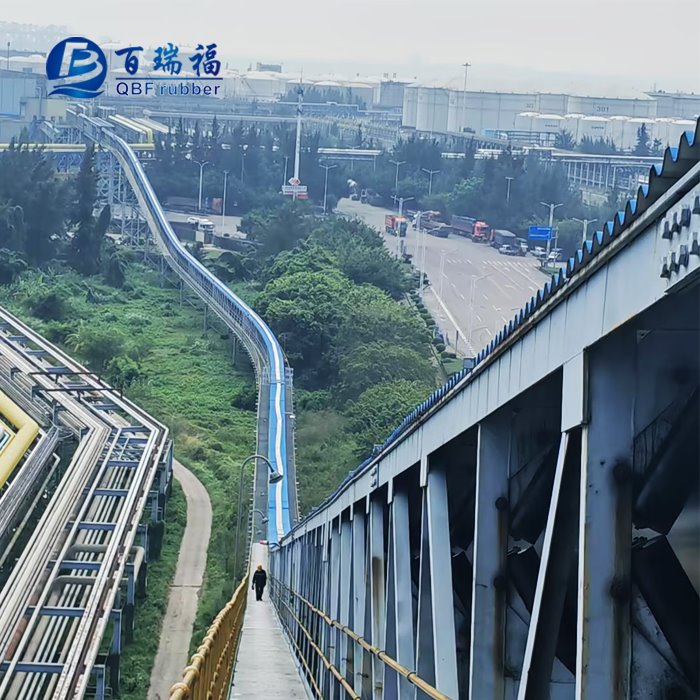
3. Proper Installation and Alignment
Even the best - designed and highest - quality pipe conveyor belt will not operate smoothly if it is not installed correctly. Our installation team follows strict guidelines and procedures to ensure that the conveyor system is installed with precision. This includes proper alignment of the idlers, tensioning of the belt, and connection of all the components.
During installation, we use advanced alignment tools and techniques to ensure that the belt runs straight and centered on the idlers. Any misalignment can cause the belt to wear unevenly, increase power consumption, and potentially lead to belt damage. We also conduct thorough testing and commissioning of the conveyor system after installation to identify and correct any issues before it goes into full - scale operation.
4. Regular Maintenance and Inspection
Regular maintenance and inspection are essential for the long - term smooth operation of a pipe conveyor belt. We provide our customers with detailed maintenance schedules and guidelines to ensure that their conveyor systems are properly cared for.
This includes routine checks of the belt for signs of wear, damage, or misalignment. We also inspect the idlers, pulleys, and other components for any signs of wear or malfunction. Lubrication of moving parts is carried out at regular intervals to reduce friction and extend the lifespan of the components.
In addition to routine maintenance, we also offer preventive maintenance services, such as belt cleaning and tension adjustment. By addressing potential issues before they become major problems, we can minimize downtime and ensure that the conveyor system operates at peak efficiency.
5. Advanced Monitoring and Control Systems
To further enhance the smooth operation of pipe conveyor belts, we incorporate advanced monitoring and control systems into our conveyor systems. These systems use sensors and instrumentation to continuously monitor the performance of the conveyor, including belt speed, tension, temperature, and alignment.
The data collected by these sensors is transmitted to a central control unit, where it is analyzed in real - time. If any abnormalities are detected, the control system can automatically adjust the operation of the conveyor to correct the issue. For example, if the belt tension is too high or too low, the control system can adjust the tensioning device to bring it back to the optimal level.
6. Training and Support for Operators
The smooth operation of a pipe conveyor belt also depends on the skills and knowledge of the operators. We provide comprehensive training programs for our customers' operators to ensure that they are familiar with the operation and maintenance of the conveyor system.
During the training, operators learn how to start and stop the conveyor safely, monitor its performance, and troubleshoot common problems. They also receive training on the proper use of the monitoring and control systems. Our technical support team is also available 24/7 to assist operators with any questions or issues they may encounter during the operation of the conveyor system.
7. Compatibility with Different Materials
Pipe conveyor belts are designed to handle a wide variety of materials, from fine powders to large chunks of ore. To ensure smooth operation when handling different materials, we customize the design of the conveyor system to suit the specific characteristics of the material.
For example, when handling sticky materials, we may use special belt surface treatments or cleaning devices to prevent the material from adhering to the belt. When handling abrasive materials, we may use belts with a thicker rubber cover or more robust fabric reinforcement to resist wear.
8. Sealing and Dust Control
One of the key advantages of a pipe conveyor belt is its ability to provide a sealed environment for material transport, which helps to control dust emissions and protect the environment. Our pipe conveyor belts are designed with effective sealing mechanisms to prevent dust from escaping.
This includes the use of rubber seals at the joints of the pipe sections and around the loading and unloading points. We also offer dust collection systems that can be integrated with the conveyor system to capture any dust that may be generated during operation. By controlling dust emissions, we not only ensure a cleaner and safer working environment but also prevent dust from accumulating on the belt and other components, which can affect the smooth operation of the conveyor.
Conclusion
In conclusion, a pipe conveyor belt ensures smooth operation through a combination of design and engineering precision, high - quality materials, proper installation and alignment, regular maintenance and inspection, advanced monitoring and control systems, operator training and support, compatibility with different materials, and effective sealing and dust control.
As a leading [Your Company Type] of [Your Product Name], we are committed to providing our customers with the highest - quality pipe conveyor belts and comprehensive support services. If you are interested in learning more about our pipe conveyor belts or have any questions regarding their operation and application, please do not hesitate to [Contact Method]. We look forward to the opportunity to discuss your specific requirements and help you find the best conveyor solution for your needs.
References
- "Conveyor Belt Handbook", Published by the Conveyor Equipment Manufacturers Association
- "Advanced Belt Conveyor Technology", Edited by several industry experts


