As a supplier of Diamond Pulley Lagging, I've been asked numerous times about the suitability of our product for mining applications. In this blog post, I'll delve into the characteristics of Diamond Pulley Lagging and explore its potential use in the challenging environment of mining.
Understanding the Mining Environment
Mining is a demanding industry that presents a multitude of challenges for equipment. The conveyor systems used in mining operations are constantly exposed to abrasive materials, heavy loads, and harsh conditions. These factors can lead to significant wear and tear on conveyor pulleys, which can ultimately affect the efficiency and reliability of the entire system.
One of the primary challenges in mining is the presence of abrasive materials such as coal, ore, and rock. These materials can cause rapid wear on the surface of conveyor pulleys, leading to reduced traction and increased slippage. This not only affects the performance of the conveyor system but can also result in increased energy consumption and maintenance costs.
In addition to abrasion, mining conveyors are often subjected to heavy loads and high speeds. This can put significant stress on the pulleys, causing them to deform or fail over time. Furthermore, the harsh environmental conditions in mines, such as dust, moisture, and extreme temperatures, can also contribute to the degradation of pulley components.
What is Diamond Pulley Lagging?
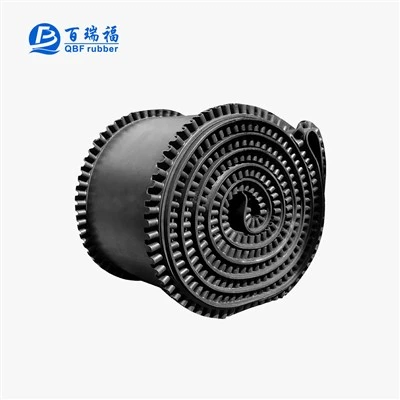
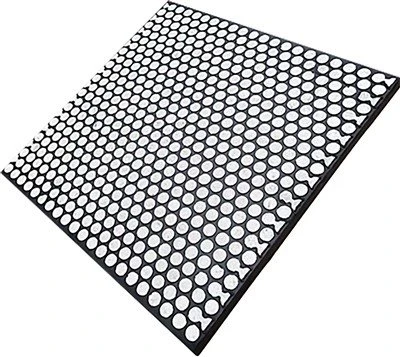
Diamond Pulley Lagging is a specialized type of pulley lagging that is designed to provide superior traction and wear resistance. It is typically made from a high-quality rubber compound that is reinforced with diamond-shaped ceramic tiles. These ceramic tiles are strategically placed on the surface of the lagging to create a pattern that enhances grip and reduces slippage.
The diamond-shaped design of the ceramic tiles provides several advantages over traditional pulley lagging. Firstly, it increases the surface area of contact between the belt and the pulley, which improves traction and reduces the risk of slippage. Secondly, the sharp edges of the diamond tiles help to cut through any debris or contaminants that may accumulate on the belt surface, ensuring consistent performance even in dirty or wet conditions.
Another key feature of Diamond Pulley Lagging is its excellent wear resistance. The ceramic tiles are extremely hard and durable, making them highly resistant to abrasion and impact. This means that the lagging can withstand the harsh conditions of mining operations without wearing out quickly, resulting in longer service life and reduced maintenance costs.
Advantages of Using Diamond Pulley Lagging in Mining
Enhanced Traction
One of the main advantages of using Diamond Pulley Lagging in mining applications is its ability to provide enhanced traction. The diamond-shaped ceramic tiles create a high-friction surface that grips the belt firmly, even under heavy loads and high speeds. This helps to prevent slippage and ensures smooth and efficient operation of the conveyor system.
In a mining environment, where the conveyor belts are often carrying large amounts of abrasive materials, slippage can be a major problem. It can lead to reduced productivity, increased energy consumption, and premature wear of the belt and pulley components. By using Diamond Pulley Lagging, these issues can be minimized, resulting in improved performance and reliability of the conveyor system.
Wear Resistance
As mentioned earlier, the ceramic tiles used in Diamond Pulley Lagging are highly resistant to abrasion and impact. This makes the lagging ideal for use in mining applications, where the conveyor pulleys are constantly exposed to abrasive materials. The wear-resistant properties of the lagging help to extend the service life of the pulleys, reducing the need for frequent replacements and maintenance.
In addition to reducing wear on the pulleys, Diamond Pulley Lagging also helps to protect the conveyor belt from damage. The sharp edges of the ceramic tiles help to cut through any debris or contaminants that may accumulate on the belt surface, preventing them from causing scratches or tears in the belt. This can significantly extend the lifespan of the belt and reduce the overall cost of conveyor system maintenance.
Self-Cleaning Properties
Another advantage of Diamond Pulley Lagging is its self-cleaning properties. The diamond-shaped ceramic tiles are designed to shed any debris or contaminants that may accumulate on the belt surface. This helps to prevent the build-up of material on the pulleys, which can cause imbalance and vibration, leading to premature wear and failure of the components.
In a mining environment, where dust and debris are constantly present, self-cleaning properties are essential for maintaining the performance and reliability of the conveyor system. By using Diamond Pulley Lagging, the need for manual cleaning and maintenance can be reduced, resulting in increased productivity and reduced downtime.
Resistance to Chemicals and Moisture
Mining operations often involve the use of chemicals and exposure to moisture. Diamond Pulley Lagging is resistant to a wide range of chemicals and moisture, making it suitable for use in these harsh environments. The rubber compound used in the lagging is formulated to withstand the corrosive effects of chemicals and the damaging effects of moisture, ensuring long-lasting performance and reliability.
Comparing Diamond Pulley Lagging with Other Types of Pulley Lagging
Ceramic Pulley Lagging
Ceramic Pulley Lagging is another popular type of pulley lagging that is commonly used in mining applications. Like Diamond Pulley Lagging, it is made from a rubber compound that is reinforced with ceramic tiles. However, the ceramic tiles used in Ceramic Pulley Lagging are typically square or rectangular in shape, rather than diamond-shaped.
While Ceramic Pulley Lagging offers good traction and wear resistance, it may not provide the same level of performance as Diamond Pulley Lagging in certain applications. The diamond-shaped design of the ceramic tiles in Diamond Pulley Lagging provides a larger surface area of contact with the belt, which results in better traction and reduced slippage. Additionally, the sharp edges of the diamond tiles help to cut through debris more effectively, making the lagging more self-cleaning.
Rubber Pulley Lagging
Rubber Pulley Lagging is the most basic type of pulley lagging and is commonly used in a variety of industries, including mining. It is made from a solid rubber compound that provides some level of traction and wear resistance. However, compared to Diamond Pulley Lagging, rubber pulley lagging has several limitations.
Rubber pulley lagging is more prone to wear and tear, especially in abrasive environments. It also has a lower coefficient of friction, which means that it may not provide as much traction as Diamond Pulley Lagging. Additionally, rubber pulley lagging is not self-cleaning, which can lead to the build-up of debris on the pulleys and reduced performance over time.
Case Studies: Real-World Applications of Diamond Pulley Lagging in Mining
To illustrate the effectiveness of Diamond Pulley Lagging in mining applications, let's take a look at a few real-world case studies.
Case Study 1: Coal Mine in Australia
A coal mine in Australia was experiencing significant problems with conveyor belt slippage and premature wear of the pulley components. The mine was using traditional rubber pulley lagging, which was unable to withstand the harsh conditions of the mining environment.


After consulting with our team, the mine decided to install Diamond Pulley Lagging on its conveyor pulleys. The results were immediate and impressive. The diamond-shaped ceramic tiles provided excellent traction, eliminating belt slippage and improving the overall efficiency of the conveyor system. The wear resistance of the lagging also extended the service life of the pulleys, reducing the need for frequent replacements and maintenance.
Case Study 2: Copper Mine in Chile
A copper mine in Chile was facing similar issues with conveyor belt slippage and wear. The mine was using Ceramic Pulley Lagging, but it was not providing the level of performance required. The square-shaped ceramic tiles were not as effective at cutting through debris and providing traction as the diamond-shaped tiles in Diamond Pulley Lagging.
The mine decided to switch to Diamond Pulley Lagging, and the results were outstanding. The self-cleaning properties of the lagging helped to prevent the build-up of debris on the pulleys, reducing the risk of imbalance and vibration. The enhanced traction provided by the diamond-shaped tiles also improved the performance of the conveyor system, resulting in increased productivity and reduced energy consumption.
Conclusion
In conclusion, Diamond Pulley Lagging is a highly effective solution for mining applications. Its superior traction, wear resistance, self-cleaning properties, and resistance to chemicals and moisture make it an ideal choice for use in the harsh environment of mines.
Compared to other types of pulley lagging, such as Ceramic Pulley Lagging and Rubber Pulley Lagging, Diamond Pulley Lagging offers significant advantages in terms of performance and reliability. Real-world case studies have demonstrated the effectiveness of Diamond Pulley Lagging in improving the efficiency and productivity of conveyor systems in mining operations.
If you're a mining company looking for a reliable and cost-effective solution for your conveyor pulleys, I encourage you to consider Diamond Pulley Lagging. Our team of experts can provide you with more information and help you determine the best lagging solution for your specific needs. Contact us today to start a discussion about how Diamond Pulley Lagging can benefit your mining operations.
References
- Conveyor Equipment Manufacturers Association (CEMA). Conveyor Belt Design Manual.
- Technical papers on pulley lagging and mining conveyor systems from industry conferences and journals.