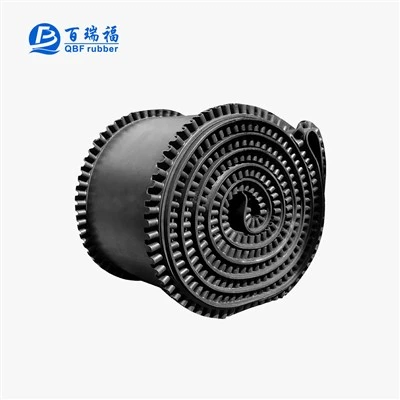
Hey there! As a supplier of Tube Conveyor Belts, I often get asked about how long these belts can last. It's a pretty important question, especially if you're running a business that relies on these conveyors for moving materials. So, let's dig into what the lifespan of a tube conveyor belt actually is.
First off, what's a tube conveyor belt anyway? Well, a Tube Conveyor Belt is a specialized type of conveyor belt that forms a tube shape to enclose the material being transported. This design helps to prevent spillage and contamination, making it great for handling all sorts of stuff like powders, granules, and even some bulk solids.
Now, when it comes to the lifespan of these belts, there's no one - size - fits - all answer. It can vary quite a bit depending on several factors.
Factors Affecting the Lifespan
1. Material Quality
The quality of the materials used to make the belt is a huge deal. High - quality rubber compounds and strong fabric reinforcements will generally result in a longer - lasting belt. For example, belts made with premium synthetic rubbers are more resistant to abrasion, heat, and chemicals. If you skimp on quality, you're likely to end up with a belt that wears out faster. Cheaper belts might seem like a good idea at first because they cost less upfront, but in the long run, you'll probably have to replace them more often, which can end up being more expensive.
2. Operating Conditions
This is one of the biggest factors. If your conveyor is operating in a harsh environment, the belt's lifespan will be shorter. For instance, if the belt is constantly exposed to high temperatures, it can cause the rubber to degrade faster. Chemicals in the material being transported can also eat away at the belt. Abrasive materials like sand or gravel can wear down the belt surface much quicker than smoother materials.
The speed at which the conveyor operates also matters. Faster - moving belts tend to experience more wear and tear. If you're running your conveyor at a high speed for long periods, the belt will have to work harder, and this can lead to premature failure.
3. Maintenance
Proper maintenance can significantly extend the lifespan of a tube conveyor belt. Regular inspections are crucial. You should be checking for signs of wear, such as cracks, cuts, or uneven wear patterns. If you catch these issues early, you can often make minor repairs and prevent them from turning into major problems.
Cleaning the belt is also important. Buildup of material on the belt can cause additional stress and friction, which can shorten its lifespan. Make sure to follow the manufacturer's recommendations for cleaning and lubrication. And don't forget about proper tensioning. A belt that's too loose or too tight can cause problems. If it's too loose, it might slip, and if it's too tight, it can put extra strain on the belt and other conveyor components.
4. Installation
How the belt is installed matters a lot. If it's not installed correctly, it can lead to uneven wear and premature failure. The belt needs to be properly aligned on the conveyor. Misalignment can cause the belt to rub against the sides of the conveyor frame, which will wear it down quickly. Also, the joints between the belt sections need to be made properly. A poorly made joint can be a weak point in the belt and can lead to separation or tearing.
Typical Lifespan Ranges
On average, a well - maintained tube conveyor belt in a normal operating environment can last anywhere from 2 to 5 years. However, in a really harsh environment with high - abrasion materials and extreme temperatures, the lifespan could be as short as 6 months to a year.
If the conveyor is used for light - duty applications, like moving small amounts of non - abrasive materials at a slow speed, the belt might last 5 to 10 years. But these are just rough estimates, and the actual lifespan can vary based on the factors we talked about earlier.
How We Can Help
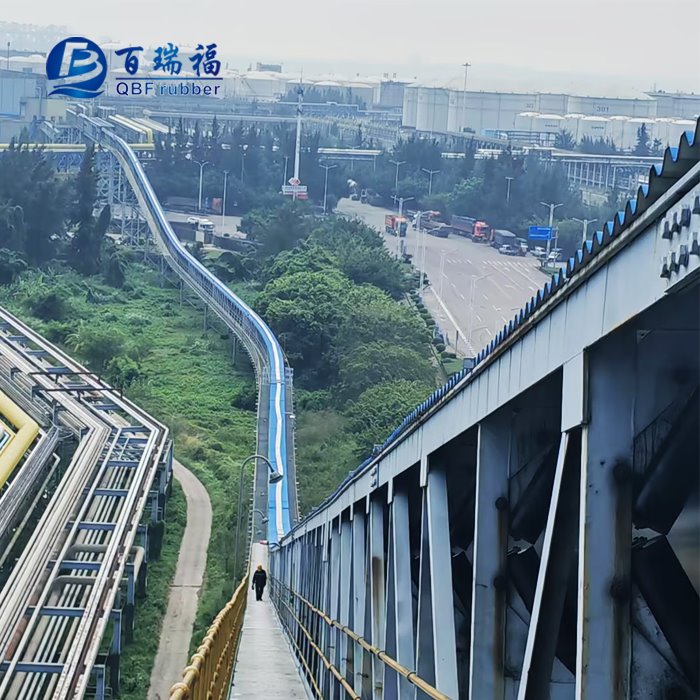
As a Tube Conveyor Belt supplier, we offer high - quality belts that are designed to last. We use the best materials and manufacturing processes to ensure that our belts can withstand tough operating conditions.
We also provide a lot of support to our customers. Our team of experts can help you choose the right belt for your specific application. We'll take into account all the factors like the material you're transporting, the operating environment, and your conveyor's specifications.
Once you've installed our belt, we can offer advice on maintenance. We can provide you with a maintenance schedule and tips on how to keep your belt in top condition. And if you ever run into any problems, we're here to help. Whether it's a minor repair or a full - scale replacement, we've got you covered.
If you're in the market for a tube conveyor belt, or if you're just looking for more information about how to extend the lifespan of your existing belt, don't hesitate to reach out. We're always happy to have a chat and help you find the best solution for your business. Contact us to start a conversation about your tube conveyor belt needs. We can provide you with a quote and answer any questions you might have.
References
- "Conveyor Belt Handbook" by Conveyor Equipment Manufacturers Association
- Research papers on conveyor belt durability from industry - specific journals