

Can an Anti - stick Sidewall Conveyor Belt be used for food handling?
As a supplier of Anti - stick Sidewall Conveyor Belts, I often receive inquiries regarding the suitability of our products for food handling applications. This blog aims to explore the question in depth, considering various factors such as material safety, cleaning requirements, and industry regulations.
Material Safety
One of the primary concerns when using a conveyor belt for food handling is the safety of the materials it is made from. Anti - stick Sidewall Conveyor Belts are typically constructed with a combination of base materials and anti - sticking coatings. The base materials should be non - toxic and comply with food safety standards.
Many modern anti - stick sidewall conveyor belts use materials like polyurethane or PVC, which are known for their food - grade properties. Polyurethane is a popular choice due to its high abrasion resistance, flexibility, and ability to withstand a wide range of temperatures. It is also resistant to many chemicals, which is important for maintaining the integrity of the belt during cleaning and sanitization processes.
PVC, on the other hand, is a cost - effective option that offers good chemical resistance and is easy to clean. However, it is important to ensure that the PVC used in the belt is free from harmful additives such as phthalates, which can leach into food products.
The anti - sticking coatings applied to the belts are also crucial. These coatings are designed to prevent food from sticking to the belt surface, reducing waste and improving efficiency. They should be made from food - safe substances. For example, some anti - stick coatings are based on silicone, which is generally recognized as safe for food contact.
Cleaning and Sanitization
Food handling requires strict cleaning and sanitization procedures to prevent the growth of bacteria and other contaminants. Anti - stick Sidewall Conveyor Belts are well - suited for these requirements because of their non - sticking properties.
The smooth surface of the anti - stick belt makes it easier to clean compared to traditional conveyor belts. Food residues can be easily removed with a simple wash or wipe, reducing the risk of cross - contamination. Additionally, the anti - stick coating can prevent the build - up of stubborn residues, which can be difficult to clean and may harbor bacteria.
Sanitization is also an important aspect. The belt should be able to withstand the use of common sanitizing agents without being damaged. Many anti - stick sidewall conveyor belts are designed to be resistant to a variety of chemicals, including disinfectants and detergents. This allows for effective sanitization without compromising the integrity of the belt.
Industry Regulations
The food industry is highly regulated, and conveyor belts used in food handling must comply with various standards and regulations. In the United States, the Food and Drug Administration (FDA) sets strict guidelines for materials that come into contact with food. These guidelines ensure that the materials are safe for use and do not pose a risk to human health.
In addition to FDA regulations, there are also international standards such as the European Union's Regulation (EC) No 1935/2004, which covers materials and articles intended to come into contact with food. Conveyor belt manufacturers must ensure that their products meet these standards to be used in food handling applications.
As a supplier, we take these regulations seriously and ensure that our Anti - stick Sidewall Conveyor Belt products are fully compliant. We work closely with our customers to provide them with the necessary documentation and support to meet regulatory requirements.

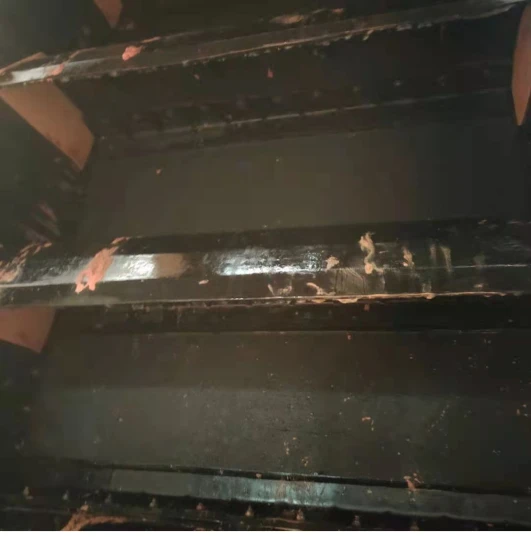
Advantages of Anti - stick Sidewall Conveyor Belts in Food Handling
There are several advantages to using anti - stick sidewall conveyor belts in food handling applications.
1. Reduced Food Waste
The anti - sticking properties of the belt prevent food from sticking to the surface, reducing the amount of food that is left behind on the belt. This not only saves money but also helps to maintain a clean and hygienic working environment.
2. Improved Efficiency
Since the food does not stick to the belt, the conveyor can operate more smoothly and efficiently. There is less need for manual intervention to remove stuck food, which can increase productivity and reduce downtime.
3. Versatility
Anti - stick sidewall conveyor belts can be used for a wide range of food products, including wet, sticky, and dry foods. They can also be used in different types of food processing operations, such as sorting, packaging, and transporting.
4. Space - Saving
The sidewall design of the conveyor belt allows for vertical or inclined transportation of food products, which can save valuable floor space in a food processing facility. This is especially beneficial for facilities with limited space.
Other Types of Conveyor Belts for Food Handling
In addition to anti - stick sidewall conveyor belts, there are other types of conveyor belts that can be used in food handling applications.
Anti - Sticking Corrugated Sidewall Conveyor Belt is similar to the anti - stick sidewall conveyor belt but has a corrugated design. This design provides additional support for the food products, especially when transporting them vertically or at an angle.
Vertical Conveyor Belt is specifically designed for vertical transportation of food products. It can be used to move food from one level to another in a food processing facility, saving space and improving efficiency.
Sidewall Conveyor Belt is a more general type of conveyor belt with sidewalls. It can be used for a variety of food handling applications, including horizontal and inclined transportation.
Truly Endless Sidewall Conveyor Belt is a seamless conveyor belt that provides a continuous surface for food transportation. This type of belt is ideal for applications where a smooth and continuous flow of food is required.
Conclusion
In conclusion, anti - stick sidewall conveyor belts can be used for food handling applications. They offer several advantages in terms of material safety, cleaning, and efficiency. However, it is important to ensure that the belts are made from food - safe materials and comply with industry regulations.
If you are in the food processing industry and are looking for a reliable conveyor belt solution, I encourage you to consider our anti - stick sidewall conveyor belts. We have a wide range of products to meet your specific needs, and our team of experts can provide you with the support and guidance you need to make the right choice.
Contact us today to discuss your requirements and start a procurement negotiation. We look forward to working with you to improve your food handling operations.
References
- Food and Drug Administration (FDA). Regulations on materials in contact with food.
- European Union. Regulation (EC) No 1935/2004 on materials and articles intended to come into contact with food.
- Conveyor Belt Manufacturers Association. Standards for conveyor belts in food handling.


