

Can a vertical conveyor belt be used for conveying light - weight materials?
As a supplier of vertical conveyor belts, I've encountered numerous inquiries regarding the suitability of our products for conveying light - weight materials. This blog aims to delve into this topic, exploring the feasibility, advantages, and considerations when using vertical conveyor belts for such materials.

Feasibility of Using Vertical Conveyor Belts for Light - Weight Materials
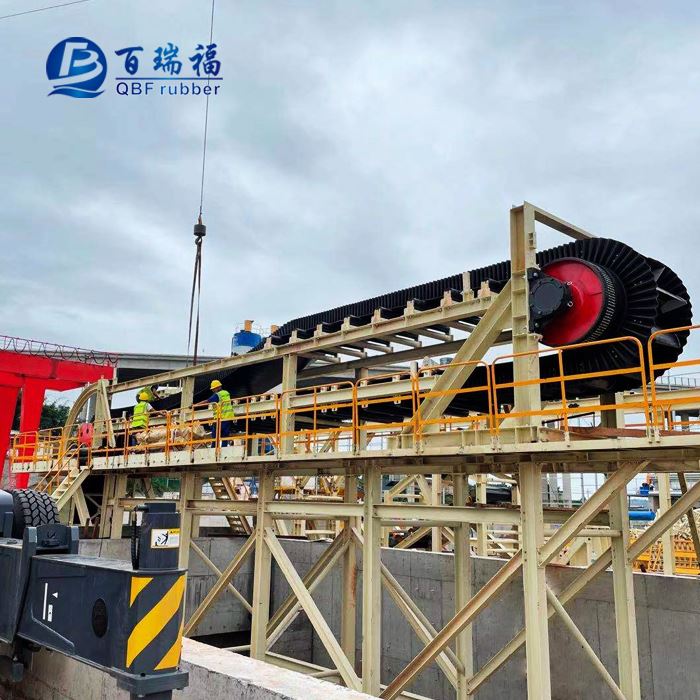
Vertical conveyor belts are designed to transport materials vertically or at a high angle. Their structure typically includes sidewalls and cleats that help contain and lift the materials. When it comes to light - weight materials, these belts can indeed be a viable solution.
Light - weight materials, such as grains, powders, small plastic parts, and some types of shredded paper, often have low bulk density. The sidewalls and cleats of a vertical conveyor belt prevent the materials from spilling or sliding back during the upward movement. For instance, in a food processing plant, vertical conveyor belts can be used to transport light - weight cereal grains from one processing stage to another. The sidewalls ensure that the grains stay within the belt, and the cleats provide the necessary support to lift them vertically.
Advantages of Using Vertical Conveyor Belts for Light - Weight Materials
Space - Saving
One of the most significant advantages is the space - saving aspect. In a manufacturing or processing facility, floor space is often at a premium. A vertical conveyor belt can transport materials vertically, reducing the need for long, horizontal conveyor systems. This is especially beneficial for light - weight materials, as they can be easily lifted without requiring a large amount of power. For example, in a small - scale packaging plant, a vertical conveyor belt can be used to move light - weight packaging materials from the storage area to the packaging machine, maximizing the use of limited floor space.
Efficiency
Vertical conveyor belts can operate continuously, providing a high - speed and efficient way to transport light - weight materials. They can be integrated into automated production lines, ensuring a smooth and consistent flow of materials. For instance, in an electronics manufacturing plant, vertical conveyor belts can quickly move small, light - weight electronic components from one assembly station to the next, reducing production time and increasing overall efficiency.
Versatility
These belts are highly versatile and can be customized to meet the specific requirements of different light - weight materials. There are various types of vertical conveyor belts available, such as Sidewall Belt, High Angle Conveyor Belt, and Anti - stick Sidewall Conveyor Belt. The sidewall belt is suitable for materials that need to be contained during vertical transportation, while the high - angle conveyor belt can handle steeper inclines. The anti - stick sidewall conveyor belt is ideal for materials that tend to stick to the belt surface, such as some types of powders.
Considerations When Using Vertical Conveyor Belts for Light - Weight Materials
Belt Selection
Choosing the right belt is crucial. The belt should have the appropriate sidewall height and cleat design to ensure that the light - weight materials are properly contained and lifted. For very fine powders, a belt with a higher sidewall and closely spaced cleats may be required to prevent spillage. On the other hand, for larger, light - weight parts, a belt with a lower sidewall and wider cleats may be more suitable.
Material Flow Characteristics
The flow characteristics of the light - weight materials need to be considered. Some materials may be free - flowing, while others may be cohesive or have a tendency to bridge. Free - flowing materials, such as sand or salt, can be easily transported on a vertical conveyor belt. However, cohesive materials, like some types of clay powders, may require additional measures, such as vibration or agitation, to ensure smooth flow.
Dust Control
Light - weight materials, especially powders, can generate dust during transportation. This can be a health and safety hazard, as well as a cause of equipment damage. Proper dust control measures, such as enclosing the conveyor belt or using dust collectors, should be implemented to minimize dust emissions.
Case Studies
Food Industry
In a bakery, vertical conveyor belts are used to transport light - weight flour from the storage silos to the mixing machines. The sidewall belts prevent the flour from spilling, and the cleats ensure that it is lifted vertically. This not only saves space but also improves the efficiency of the baking process.
Recycling Industry
In a recycling plant, vertical conveyor belts are used to move light - weight plastic bottles from the sorting area to the shredding machine. The high - angle conveyor belts can handle the steep incline, and the anti - stick sidewall conveyor belts prevent the plastic bottles from sticking to the belt surface.
Conclusion
In conclusion, vertical conveyor belts can be effectively used for conveying light - weight materials. They offer numerous advantages, including space - saving, efficiency, and versatility. However, careful consideration of belt selection, material flow characteristics, and dust control is necessary to ensure optimal performance.
If you are interested in using vertical conveyor belts for your light - weight material handling needs, we would be delighted to discuss your requirements and provide you with the most suitable solutions. Our team of experts can help you choose the right belt type, design the conveyor system, and ensure its smooth operation. Contact us today to start the procurement and negotiation process.
References
- Conveyor Belt Handbook, published by the Conveyor Equipment Manufacturers Association.
- Journal of Material Handling and Logistics, various issues related to vertical conveyor systems.
- Industry reports on the use of conveyor belts in different sectors.


