

Can a tube conveyor belt be used for continuous operation?
As a supplier of Tube Conveyor Belts, I am often asked whether our products can be used for continuous operation. This is a crucial question for many industries that rely on conveyor systems to move materials efficiently and continuously. In this blog, I will delve into the capabilities of tube conveyor belts for continuous operation, exploring their design, advantages, limitations, and real - world applications.
Design and Functionality of Tube Conveyor Belts
Tube conveyor belts, also known as pipe conveyor belts, are a specialized type of conveyor belt. Unlike traditional flat conveyor belts, tube conveyor belts are designed to form a tubular shape around the material being transported. This unique design is achieved through a series of idlers that gradually shape the belt into a tube. The belt is typically made of high - quality rubber or synthetic materials, which provide flexibility and durability.
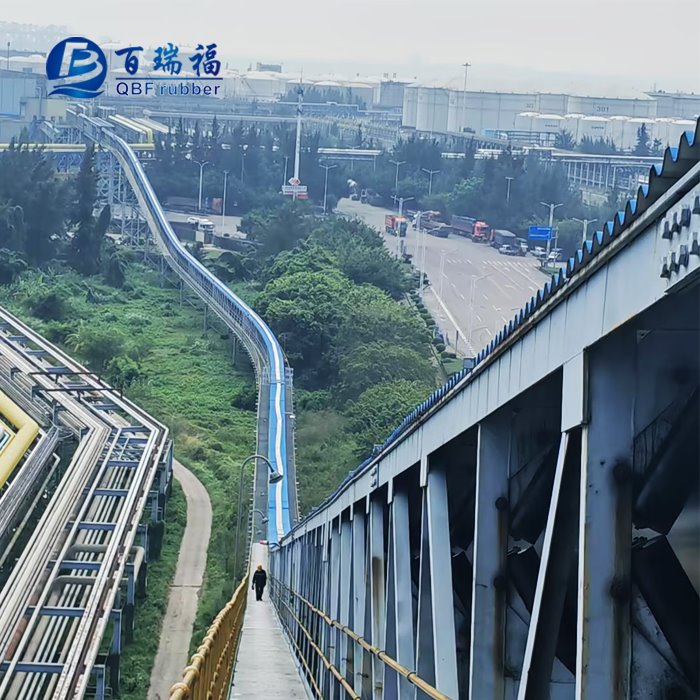
The tubular shape of the conveyor belt offers several benefits. Firstly, it completely encloses the material, preventing spillage and dust emissions. This is particularly important when transporting fine or hazardous materials. Secondly, the tube design allows for a more efficient use of space, as the conveyor can be routed in a variety of configurations, including vertical and horizontal bends.
Advantages for Continuous Operation
- Material Protection
One of the key advantages of tube conveyor belts for continuous operation is their ability to protect the material being transported. Since the material is enclosed within the tube, it is shielded from external factors such as weather, contaminants, and mechanical damage. This is especially important for materials that are sensitive to environmental conditions, such as food products, chemicals, and pharmaceuticals. - Reduced Maintenance
Tube conveyor belts generally require less maintenance compared to traditional conveyor belts. The enclosed design reduces the risk of belt damage from external objects, and the smooth internal surface of the tube minimizes wear and tear. Additionally, the absence of spillage means that there is less need for cleaning and maintenance of the surrounding area. This results in lower downtime and increased productivity over the long term. - Energy Efficiency
The tubular shape of the conveyor belt reduces air resistance during operation. This means that less energy is required to move the material compared to traditional conveyor belts. For industries that operate conveyor systems continuously, energy savings can be significant over time, leading to lower operating costs. - Flexibility in Routing
Tube conveyor belts can be routed in complex configurations, including vertical and horizontal curves. This allows for a more efficient layout of the conveyor system, reducing the need for multiple conveyors and transfer points. The ability to route the conveyor around obstacles and through tight spaces makes it suitable for continuous operation in a variety of industrial settings.
Limitations and Considerations
- Initial Investment
The initial cost of installing a tube conveyor belt system is generally higher than that of a traditional conveyor belt system. This is due to the more complex design and the need for specialized components such as idlers and tensioning devices. However, it is important to consider the long - term benefits, such as reduced maintenance and energy savings, when evaluating the overall cost - effectiveness of the system. - Material Compatibility
Not all materials are suitable for transportation using tube conveyor belts. Materials that are very sticky or have a high moisture content may cause problems, such as clogging or belt slippage. It is essential to carefully evaluate the material characteristics before selecting a tube conveyor belt system. - Belt Tension and Tracking
Maintaining proper belt tension and tracking is crucial for the continuous operation of a tube conveyor belt. Improper tension can lead to belt slippage, while poor tracking can cause uneven wear and damage to the belt. Regular monitoring and adjustment of the belt tension and tracking are required to ensure optimal performance.
Real - World Applications
- Mining Industry
In the mining industry, tube conveyor belts are widely used for the continuous transportation of minerals and ores. The enclosed design helps to prevent dust emissions, which is a major concern in mining operations. The ability to route the conveyor through steep inclines and around obstacles makes it suitable for use in mines with complex terrain. - Power Generation
Power plants use tube conveyor belts to transport coal and other fuels from storage areas to the boilers. The continuous operation of the conveyor system is essential for maintaining a steady supply of fuel to the power plant. The enclosed design also helps to reduce the risk of coal dust explosions. - Food and Beverage Industry
In the food and beverage industry, tube conveyor belts are used for the continuous transportation of ingredients and finished products. The enclosed design ensures that the products are protected from contamination, meeting the strict hygiene standards of the industry.
Conclusion
In conclusion, tube conveyor belts can indeed be used for continuous operation. Their unique design offers several advantages, including material protection, reduced maintenance, energy efficiency, and flexibility in routing. However, it is important to consider the limitations, such as the initial investment, material compatibility, and the need for proper belt tension and tracking.
If you are considering implementing a tube conveyor belt system for your continuous operation needs, I encourage you to explore our Tube Conveyor Belt solutions. Our team of experts can provide you with detailed information and guidance to help you make the right decision for your specific application. We are committed to providing high - quality products and excellent customer service. If you have any questions or would like to discuss your requirements further, please feel free to reach out to us for a procurement consultation.
References
- Conveyor Belt Handbook, Manufacturer's Association of Conveyor Belts.
- "Advances in Conveyor Belt Technology", Journal of Industrial Engineering.
- Case Studies in Continuous Conveyor Belt Operations, Industry Research Reports.


