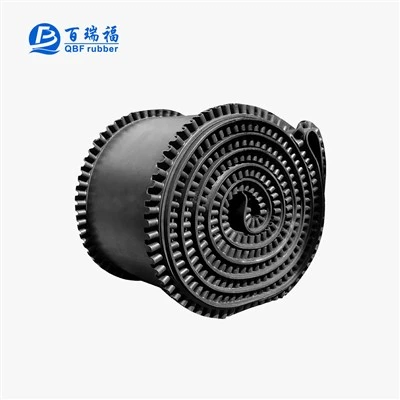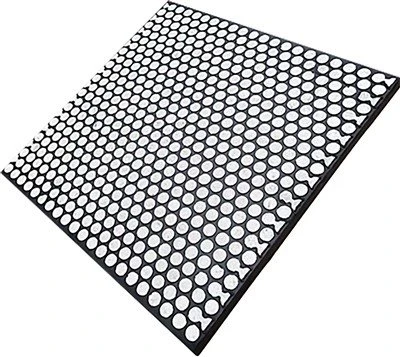
Hey there! As a supplier of Textile Conveyor Belts, I often get asked whether these belts can be used for horizontal conveying. Well, the short answer is yes, they absolutely can! In fact, textile conveyor belts are a popular choice for horizontal conveying in a wide range of industries. Let's dive deeper into why that is and explore some of the key aspects of using textile conveyor belts for horizontal applications.
Why Textile Conveyor Belts for Horizontal Conveying?
First off, let's talk about what makes textile conveyor belts so suitable for horizontal conveying. Textile conveyor belts are made up of multiple layers of fabric, usually cotton, polyester, or a combination of both, which are then coated with rubber or other polymers. This construction gives them several advantages that make them ideal for horizontal transport.
One of the main benefits is their flexibility. The fabric layers in textile conveyor belts allow them to bend and conform to the shape of the conveyor system, making them easy to install and operate on horizontal conveyors. They can smoothly navigate around pulleys and idlers, ensuring a continuous and efficient flow of materials.
Another advantage is their strength. Despite being flexible, textile conveyor belts are incredibly strong and can handle heavy loads. The fabric layers provide excellent tensile strength, which means they can support large quantities of materials without breaking or stretching excessively. This makes them suitable for transporting a wide variety of products, from small parts and packages to bulk materials like grains and minerals.
Textile conveyor belts are also relatively lightweight compared to other types of conveyor belts, such as steel or metal belts. This not only reduces the energy consumption of the conveyor system but also makes them easier to handle and maintain. Additionally, their lightweight nature allows for faster acceleration and deceleration, which can improve the overall efficiency of the conveying process.
Applications of Textile Conveyor Belts in Horizontal Conveying
Textile conveyor belts are used in a diverse range of industries for horizontal conveying. Here are some common applications:
Manufacturing
In manufacturing plants, textile conveyor belts are used to transport raw materials, work-in-progress, and finished products between different stages of the production process. They can be found in industries such as automotive, electronics, food and beverage, and pharmaceuticals. For example, in an automotive assembly line, textile conveyor belts are used to move car parts from one workstation to another, ensuring a smooth and efficient production flow.
Warehousing and Distribution
Warehouses and distribution centers rely heavily on textile conveyor belts for horizontal conveying. They are used to move goods from storage areas to shipping docks, as well as to sort and distribute products within the facility. Textile conveyor belts can handle a wide range of package sizes and weights, making them suitable for e-commerce fulfillment centers, where the volume and variety of products can be quite high.
Agriculture
In the agricultural industry, textile conveyor belts are used for horizontal conveying of grains, seeds, fertilizers, and other agricultural products. They are commonly used in grain elevators, feed mills, and processing plants to move materials from one location to another. The flexibility and strength of textile conveyor belts make them well-suited for handling bulk materials in these applications.
Mining
Mining operations also make use of textile conveyor belts for horizontal conveying of minerals, ores, and other materials. They are used in underground mines, open-pit mines, and processing plants to transport materials over long distances. Textile conveyor belts can withstand the harsh conditions of the mining environment, including high temperatures, abrasive materials, and heavy loads.
Considerations for Using Textile Conveyor Belts in Horizontal Conveying
While textile conveyor belts are well-suited for horizontal conveying, there are some important considerations to keep in mind to ensure their optimal performance and longevity.
Belt Selection
Choosing the right textile conveyor belt for your application is crucial. Factors such as the type of material being conveyed, the load capacity, the speed of the conveyor, and the environmental conditions all need to be taken into account. For example, if you are conveying abrasive materials, you may need a belt with a more wear-resistant cover. If you are operating in a high-temperature environment, you may need a belt with heat-resistant properties.
Tensioning and Tracking
Proper tensioning and tracking of the conveyor belt are essential for its smooth operation. Over-tensioning can cause excessive wear on the belt and the conveyor components, while under-tensioning can lead to slipping and misalignment. Regular inspection and adjustment of the tension and tracking are necessary to ensure that the belt runs straight and smoothly.
Maintenance
Regular maintenance is key to extending the lifespan of your textile conveyor belt. This includes cleaning the belt to remove any debris or contaminants, inspecting the belt for signs of wear or damage, and replacing any worn or damaged parts. It is also important to follow the manufacturer's recommendations for lubrication and other maintenance procedures.
Safety
Safety should always be a top priority when using conveyor belts. Make sure that the conveyor system is properly guarded to prevent accidental contact with the moving parts. Provide appropriate training to the operators on how to safely operate and maintain the conveyor system. Additionally, install safety devices such as emergency stop buttons and belt alignment sensors to ensure the safety of the workers.
Conclusion
In conclusion, textile conveyor belts are an excellent choice for horizontal conveying in a wide range of industries. Their flexibility, strength, lightweight nature, and cost-effectiveness make them a popular option for transporting various materials over long distances. However, it is important to choose the right belt for your application, ensure proper tensioning and tracking, perform regular maintenance, and prioritize safety.
If you're in the market for a textile conveyor belt for your horizontal conveying needs, look no further! As a leading supplier of Textile Conveyor Belt, we offer a wide range of high-quality belts to suit your specific requirements. Our team of experts can help you select the right belt and provide you with all the support and advice you need to ensure its optimal performance.
So, why wait? Contact us today to discuss your conveyor belt needs and let us help you find the perfect solution for your horizontal conveying application. We're here to make your conveying process as efficient and reliable as possible.

References
- Conveyor Belt Handbook, Various Authors
- Industrial Conveyor Systems: Design and Operation, Author Name