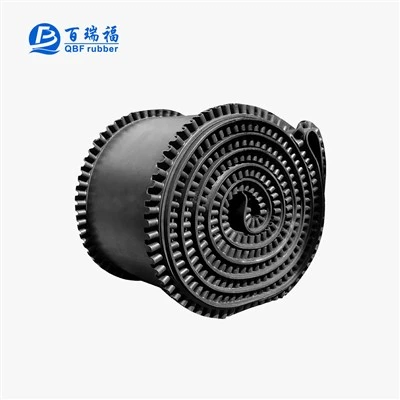
Hey there! As a supplier of Textile Conveyor Belts, I often get asked a bunch of questions. One of the most common ones is, "Can a textile conveyor belt be flame - retardant?" Well, let's dig into this topic and find out.
First off, let me introduce what a Textile Conveyor Belt is. These belts are widely used in various industries, like mining, agriculture, and food processing. They're made of multiple layers of fabric, usually cotton, polyester, or a blend of both, which are coated with rubber or other polymers to give them strength and flexibility.
Now, the big question: can they be flame - retardant? The short answer is yes. But it's not as simple as just slapping on a bit of magic potion. There are several ways to make a textile conveyor belt flame - retardant.
One method is through the use of flame - retardant additives. These are chemicals that are mixed into the rubber or polymer coating during the manufacturing process. These additives work in different ways. Some of them release gases when they're exposed to high temperatures. These gases dilute the oxygen around the belt, making it harder for the fire to keep burning. Others form a protective char layer on the surface of the belt. This char acts as a barrier, preventing the heat and flames from reaching the underlying fabric.
Another approach is to use flame - retardant fabrics. There are special types of cotton and polyester that have been treated to resist flames. These fabrics can be used as the base material for the conveyor belt. When combined with a suitable coating, they can provide a high level of fire resistance.
But why would you need a flame - retardant textile conveyor belt? Well, there are plenty of reasons. In industries like mining, there's always a risk of fire due to the presence of flammable materials and electrical equipment. A flame - retardant belt can help prevent a small spark from turning into a huge disaster. In the food processing industry, where there are often high - temperature ovens and other cooking equipment, a fire - resistant belt can add an extra layer of safety.
Let's talk about the testing and certification of flame - retardant conveyor belts. There are several international standards that these belts need to meet. For example, the ISO 340 standard is used to measure the flame - spread characteristics of conveyor belts. Belts that meet this standard have been tested to ensure that they don't contribute to the spread of fire in a mine or other industrial environment. There's also the MSHA (Mine Safety and Health Administration) certification in the United States. Conveyor belts used in coal mines need to have this certification to ensure they meet the strict safety requirements.

However, it's important to note that just because a belt is flame - retardant doesn't mean it's completely fireproof. It can still burn under extreme conditions. That's why it's crucial to follow proper safety procedures and maintenance practices. Regular inspections should be carried out to check for any signs of wear or damage that could affect the belt's fire - resistant properties.
When it comes to the cost of flame - retardant textile conveyor belts, they're usually more expensive than regular belts. The cost of the flame - retardant additives and the special fabrics adds to the overall production cost. But when you consider the potential savings in terms of preventing fires and protecting your equipment and workers, it's often a worthwhile investment.
Now, let's touch on some of the challenges in making textile conveyor belts flame - retardant. One of the main challenges is maintaining the belt's flexibility and strength. Some flame - retardant additives can make the belt stiffer, which can affect its performance. Manufacturers need to find the right balance between fire resistance and mechanical properties.
Another challenge is environmental concerns. Some of the traditional flame - retardant chemicals have been found to be harmful to the environment and human health. There's a growing trend towards using more eco - friendly alternatives. These new additives are designed to be just as effective at preventing fires but without the negative environmental impact.
In conclusion, a textile conveyor belt can definitely be made flame - retardant. There are multiple methods available, and these belts play a crucial role in ensuring safety in many industries. As a supplier, I'm always looking for ways to improve the quality and performance of our flame - retardant belts. We stay up - to - date with the latest research and development in the field to offer our customers the best products possible.
If you're in the market for a textile conveyor belt, especially one that's flame - retardant, I'd love to have a chat with you. Whether you need a belt for a small - scale operation or a large industrial plant, we can work together to find the right solution for your needs. Reach out to us and let's start the conversation about how we can meet your conveyor belt requirements.
References
- ISO 340: Conveyor belts -- Fire resistance -- Specification and test method
- MSHA regulations regarding conveyor belt safety in mines
- Various research papers on flame - retardant materials for conveyor belts