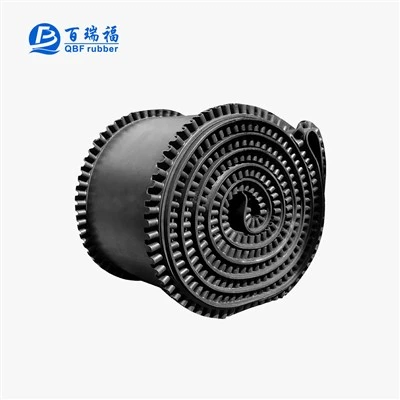
Regulations regarding the use of textile conveyor belts are a crucial aspect that every industry relying on these belts needs to understand. As a supplier of Textile Conveyor Belt, I have witnessed firsthand the importance of adhering to these regulations to ensure safety, efficiency, and compliance in various industrial operations.
Safety Regulations
Safety is paramount when it comes to the use of textile conveyor belts. In many countries, there are strict regulations in place to protect workers from potential hazards associated with conveyor belt systems. For example, guards and barriers must be installed around the conveyor belt to prevent workers from coming into contact with moving parts. These guards should be designed to withstand normal wear and tear and should be properly maintained to ensure their effectiveness.
Another important safety regulation is the requirement for emergency stop buttons. These buttons should be easily accessible along the entire length of the conveyor belt so that workers can quickly stop the belt in case of an emergency. Additionally, proper training should be provided to all employees who operate or work near the conveyor belt to ensure they understand the potential risks and how to operate the equipment safely.
In terms of fire safety, textile conveyor belts are often required to meet certain flammability standards. This is to prevent the spread of fire in case of an ignition source near the conveyor belt. Some belts are treated with fire - retardant chemicals to reduce their flammability. Regular inspections should be carried out to ensure that the fire - retardant properties of the belts are still intact.
Environmental Regulations
Environmental regulations also play a significant role in the use of textile conveyor belts. Many industrial processes generate waste and emissions, and conveyor belts can be a part of these processes. For instance, if the conveyor belt is used in a manufacturing plant that produces dust or other pollutants, proper dust collection systems must be in place to prevent the release of these pollutants into the environment.
Recycling and waste management are also important aspects. At the end of their useful life, textile conveyor belts should be disposed of in an environmentally friendly manner. Some belts can be recycled, and suppliers like us often work with recycling facilities to ensure that the materials from used belts are reused in a sustainable way.
Quality and Performance Regulations
Quality and performance regulations ensure that textile conveyor belts meet certain standards in terms of strength, durability, and functionality. For example, the tensile strength of the belt is an important parameter. It should be able to withstand the load it is designed to carry without breaking or stretching excessively.
The belt's resistance to abrasion is also crucial, especially in applications where the belt comes into contact with rough or sharp materials. Regulations may specify minimum abrasion resistance levels to ensure a reasonable service life for the belt.
In addition, the tracking performance of the conveyor belt is regulated. A well - tracked belt ensures smooth operation and reduces the risk of damage to the belt and other components of the conveyor system. Regular maintenance and adjustment of the belt tracking are necessary to comply with these regulations.
Installation and Maintenance Regulations
Proper installation of textile conveyor belts is essential for their safe and efficient operation. Regulations often require that conveyor belts be installed by trained professionals who follow specific installation procedures. This includes ensuring proper tensioning of the belt, correct alignment of the pulleys, and secure attachment of the belt to the conveyor system.
Maintenance is also a key area covered by regulations. Regular inspections should be carried out to check for signs of wear, damage, or misalignment. Any issues identified during these inspections should be addressed promptly to prevent further damage and ensure the continued safe operation of the conveyor belt.
Records of installation and maintenance activities should be kept as evidence of compliance with regulations. These records can be useful in case of audits or inspections by regulatory authorities.
Industry - Specific Regulations
Different industries may have their own specific regulations regarding the use of textile conveyor belts. For example, in the food industry, conveyor belts must meet strict hygiene standards. They should be made of materials that are non - toxic and easy to clean to prevent contamination of food products.
In the mining industry, conveyor belts need to be able to withstand harsh environmental conditions, such as high temperatures, dust, and moisture. Specialized belts with enhanced durability and resistance to these conditions are often required.
Complying with Regulations as a Supplier
As a supplier of Textile Conveyor Belt, we play a crucial role in helping our customers comply with these regulations. We ensure that our belts are manufactured to meet or exceed the relevant safety, environmental, quality, and performance standards.
We provide detailed product information and technical support to our customers to help them select the right belt for their specific application. Our team of experts can also assist with installation and maintenance guidance to ensure that the belts are used in a way that complies with all regulations.
Conclusion
In conclusion, the regulations regarding the use of textile conveyor belts are comprehensive and cover various aspects of safety, environment, quality, and performance. As an industry, it is our responsibility to ensure that we comply with these regulations to protect workers, the environment, and the integrity of industrial operations.
If you are in need of high - quality textile conveyor belts that comply with all relevant regulations, we are here to help. We invite you to contact us to discuss your specific requirements and explore how our products can meet your needs. Our experienced team will be happy to assist you in finding the best solution for your conveyor belt application.

References
- International Organization for Standardization (ISO) standards related to conveyor belts.
- National safety and environmental regulations in relevant countries.
- Industry - specific guidelines and best practices.