

As a trusted supplier of Pipe Conveyor Belts, I understand the significance of properly installing idlers for these specialized conveyor systems. The correct installation of idlers not only ensures the smooth operation of the pipe conveyor belt but also extends its service life and enhances overall efficiency. In this blog post, I will guide you through the step - by - step process of installing the idlers of a pipe conveyor belt.
Pre - installation Preparation
Before starting the installation process, it is essential to conduct a thorough inspection of all components. First, check the idlers for any visible damage such as cracks, dents, or bent shafts. Make sure the bearings are in good condition and rotate freely. This can be done by manually rotating the idler and listening for any abnormal noises.
Next, measure the installation area carefully. Ensure that the frame where the idlers will be mounted is level and straight. Any unevenness in the frame can lead to misalignment of the idlers, which in turn can cause the conveyor belt to wear unevenly or even derail. Use a spirit level and measuring tape to verify the accuracy of the installation area.
It is also important to gather all the necessary tools for the installation. These typically include wrenches, screwdrivers, a lifting device (such as a crane or forklift if the idlers are heavy), and safety equipment like gloves and safety glasses.
Mounting the Idler Frames
The first step in the actual installation is to mount the idler frames. The idler frames are the structures that hold the individual idlers in place. Start by positioning the frames at the designated locations along the conveyor path. Make sure they are aligned with the centerline of the conveyor.
Use bolts or welding to secure the idler frames to the conveyor structure. If using bolts, ensure that they are tightened to the specified torque. Over - tightening can damage the frames, while under - tightening can cause the frames to loosen during operation. Refer to the manufacturer's specifications for the correct torque values.
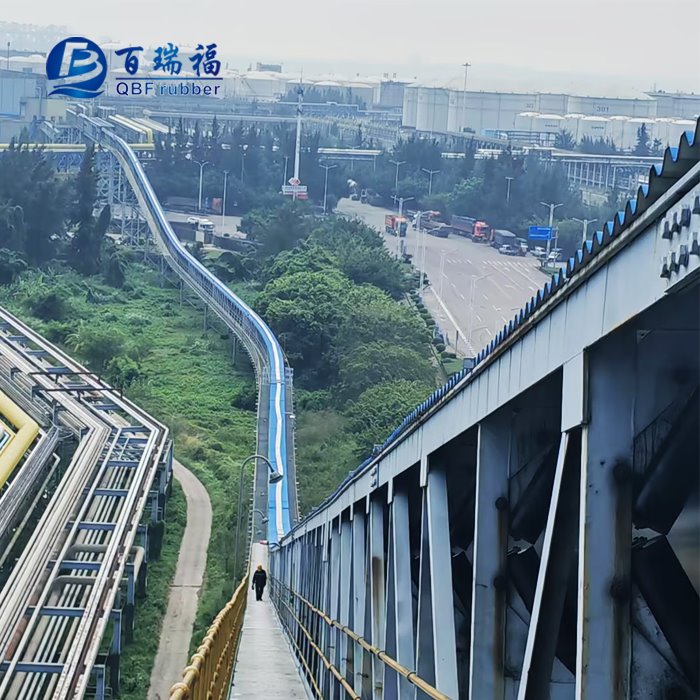
Once the frames are securely attached, double - check their alignment. You can use a string line or a laser alignment tool to ensure that the frames are in a straight line and at the correct height. Any misalignment at this stage can cause problems later in the installation process and during the operation of the conveyor.
Installing the Individual Idlers
After the idler frames are in place, it's time to install the individual idlers. Lift the idlers onto the frames using the appropriate lifting equipment. Be careful not to damage the idlers or the frames during the lifting process.
Place the idlers into the mounting positions on the frames. Most idlers are designed to fit into specific slots or brackets on the frames. Make sure the idlers are properly seated and that there is no play or movement between the idler and the frame.
Secure the idlers to the frames using the provided fasteners, such as bolts or clips. Again, tighten the fasteners to the recommended torque. Check the rotation of each idler after installation. It should rotate smoothly without any binding or excessive noise.
Adjusting the Idler Tension
Proper tension adjustment of the idlers is crucial for the correct operation of the pipe conveyor belt. The tension affects the tracking of the belt and the amount of friction between the belt and the idlers.
Start by adjusting the tension of the return idlers. The return idlers are the idlers that support the belt on its return path. Use the tension adjustment mechanisms on the idler frames to increase or decrease the tension as needed. A general rule of thumb is to adjust the tension so that the belt has a slight sag between the idlers.
Next, adjust the tension of the carrying idlers. The carrying idlers support the belt when it is carrying the material. The tension of the carrying idlers should be adjusted to ensure that the belt is properly supported and that there is no excessive deflection.
During the tension adjustment process, run the conveyor belt for a short period and observe its tracking. If the belt is deviating to one side, it may indicate incorrect tension or misaligned idlers. Make small adjustments to the tension or the alignment of the idlers until the belt runs smoothly in the center of the conveyor.
Checking the Alignment of the Idlers
Even after the initial alignment of the idler frames and the installation of the idlers, it is important to perform a final alignment check. Misaligned idlers can cause the conveyor belt to wear unevenly, increase energy consumption, and lead to premature failure of the belt and the idlers.
Use a sophisticated alignment tool, such as a precision laser alignment system, to check the alignment of all the idlers. This tool can detect even small deviations in the alignment. If any misalignment is detected, make the necessary adjustments to the idlers or the frames.
It is also important to check the alignment of the idlers in relation to the pipe - forming section of the conveyor. The idlers in this area need to be precisely aligned to ensure that the belt forms a proper pipe shape. Any misalignment in the pipe - forming section can cause the belt to leak material or not form a tight seal.
Testing the Conveyor System
Once all the idlers are installed and aligned, it is time to test the conveyor system. Start the conveyor at a low speed and observe its operation. Check for any abnormal noises, vibrations, or belt tracking issues.
During the test run, monitor the temperature of the idlers. Excessive heat can indicate a problem with the bearings or the alignment. If the temperature of an idler rises significantly, stop the conveyor immediately and investigate the cause.
Run the conveyor for a sufficient period to ensure that all components are functioning properly. Gradually increase the speed of the conveyor to the normal operating speed. Continuously monitor the performance of the conveyor and make any necessary adjustments.
Conclusion
Installing the idlers of a pipe conveyor belt is a complex but crucial process. By following the steps outlined in this blog post, you can ensure a successful installation that will result in a reliable and efficient conveyor system.
As a Pipe Conveyor Belt supplier, we are committed to providing high - quality products and technical support. If you have any questions about the installation process or need assistance with your pipe conveyor belt system, please feel free to contact us for procurement and further discussions. We are here to help you optimize your conveyor operations and achieve the best results.
If you are interested in learning more about our Tube Conveyor Belt, you can visit the provided link. Our tube conveyor belts are designed to work seamlessly with the idlers and other components of the conveyor system, providing a complete solution for your material handling needs.
References
- Conveyor Belt Installation Manuals, various manufacturers
- Industry standards for conveyor belt installation and maintenance
- Technical papers on pipe conveyor belt systems


