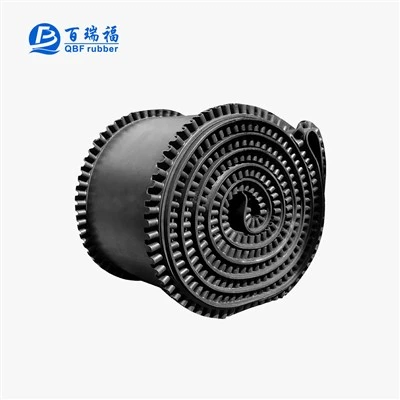
As a supplier of Bucket Elevator Belts, I've had the privilege of delving deep into the intricate relationship between the bucket elevator belt and the buckets. This interaction is a cornerstone of the efficient operation of bucket elevators, which are widely used in various industries such as agriculture, mining, and food processing. In this blog, I'll explore how these two components work together, the factors that influence their interaction, and the importance of choosing the right belt for optimal performance.
The Basics of Bucket Elevator Operation
Before we dive into the interaction between the belt and the buckets, let's briefly understand how a bucket elevator works. A bucket elevator consists of a series of buckets attached to a belt or chain that circulates around two pulleys or sprockets. The buckets scoop up material from a hopper or feeding point at the bottom of the elevator and carry it upwards to the discharge point at the top. The material is then released from the buckets due to gravity or centrifugal force.
Physical Connection: Attachment of Buckets to the Belt
The first aspect of the interaction between the bucket elevator belt and the buckets is the physical connection. Buckets are attached to the belt at regular intervals, and this attachment must be secure to ensure that the buckets remain in place during operation. There are several methods of attaching buckets to the belt, including riveting, bolting, and welding. Each method has its own advantages and disadvantages, and the choice depends on factors such as the type of material being handled, the operating conditions, and the design of the buckets and belt.
Riveting is a common method of attachment, especially for lighter-duty applications. It involves using rivets to fasten the buckets to the belt. Riveting provides a relatively simple and cost-effective way to attach the buckets, but it may not be suitable for heavy loads or high-speed operation. Bolting is another option, which offers more flexibility and ease of installation and removal. Bolts can be tightened to ensure a secure connection, and they can be easily replaced if damaged. Welding is a more permanent method of attachment, which is often used for heavy-duty applications. Welding provides a strong and durable connection, but it requires specialized equipment and skills.
Movement Synchronization: Belt and Bucket Coordination
Once the buckets are attached to the belt, they need to move in synchronization with the belt. The belt acts as the driving force, pulling the buckets along the path of the elevator. The speed and direction of the belt determine the movement of the buckets, and any misalignment or irregularity in the belt movement can affect the performance of the elevator.
To ensure smooth and efficient operation, the belt and buckets must be properly aligned and tensioned. The belt should be installed with the correct tension to prevent slippage and ensure that the buckets are carried along at the desired speed. Tensioning devices, such as idler pulleys or tensioning screws, can be used to adjust the tension of the belt. In addition, the alignment of the belt and buckets should be checked regularly to ensure that they are running straight and parallel to each other.
Material Handling: Scooping and Discharging
One of the most important functions of the bucket elevator is to handle materials. The interaction between the belt and the buckets plays a crucial role in this process. As the belt moves the buckets through the material at the bottom of the elevator, the buckets scoop up the material and carry it upwards. The design of the buckets, including their shape, size, and capacity, affects their ability to scoop up the material efficiently.
For example, buckets with a wide opening and a shallow depth are better suited for handling free-flowing materials, while buckets with a narrow opening and a deep depth are more suitable for handling sticky or bulky materials. The speed of the belt also affects the scooping process. If the belt moves too slowly, the buckets may not be able to fill up completely, while if the belt moves too quickly, the material may be spilled or lost.
At the top of the elevator, the buckets need to discharge the material efficiently. The discharge process can be affected by factors such as the shape of the buckets, the speed of the belt, and the design of the discharge chute. Gravity is the most common method of discharging the material, but in some cases, centrifugal force or mechanical devices may be used to assist the discharge process.


Wear and Tear: Impact on Interaction
The interaction between the bucket elevator belt and the buckets is also affected by wear and tear. Over time, the belt and buckets can experience wear due to factors such as friction, abrasion, and impact. This wear can affect the performance of the elevator and may lead to premature failure of the components.
The belt is particularly susceptible to wear, especially in areas where it comes into contact with the pulleys, idlers, and buckets. The surface of the belt can become worn or damaged, which can affect its traction and durability. The buckets can also experience wear, especially in the areas where they come into contact with the material being handled. The edges of the buckets can become worn or chipped, which can affect their ability to scoop up and discharge the material efficiently.
To minimize wear and tear, it is important to choose the right belt and buckets for the application. The belt should be made of a durable material that is resistant to abrasion, cut, and tear. The buckets should be made of a material that is strong and wear-resistant, and they should be designed to minimize contact with the material being handled. In addition, regular maintenance and inspection of the elevator components can help to detect and address any signs of wear and tear before they become serious problems.
Importance of Choosing the Right Bucket Elevator Belt
As a supplier of Bucket Elevator Belts, I understand the importance of choosing the right belt for the application. The type of belt you choose can have a significant impact on the performance, efficiency, and longevity of your bucket elevator.
There are several factors to consider when choosing a bucket elevator belt, including the type of material being handled, the operating conditions, the capacity of the elevator, and the design of the buckets. For example, if you are handling abrasive materials, you may need a belt that is made of a high-strength, abrasion-resistant material such as rubber or polyurethane. If you are operating in a high-temperature environment, you may need a Heat Resistant Bucket Elevator Belt that can withstand the heat without losing its strength or flexibility.
At our company, we offer a wide range of Bucket Elevator Belts to meet the needs of different applications. Our belts are made of high-quality materials and are designed to provide reliable and efficient performance. We also offer custom-designed belts to meet the specific requirements of our customers.
Conclusion
In conclusion, the interaction between the bucket elevator belt and the buckets is a complex and critical aspect of the operation of bucket elevators. The physical connection, movement synchronization, material handling, and wear and tear all play important roles in determining the performance and efficiency of the elevator. By understanding these factors and choosing the right belt and buckets for the application, you can ensure that your bucket elevator operates smoothly and reliably for many years to come.
If you are in the market for a Bucket Elevator Belt, I encourage you to contact us to discuss your needs. Our team of experts can help you choose the right belt and provide you with the support and service you need to ensure the success of your project.
References
- "Bucket Elevators: Principles and Practice" by Andrew W. Clayton
- "Conveyor Belt Handbook" by Continental AG
- "Material Handling Equipment: Selection and Design" by Peter J. Barkan