In the realm of industrial conveyor systems, the performance of pulley lagging is crucial, especially in high - vibration environments. As a supplier of Diamond Pulley Lagging, I have witnessed firsthand how this innovative product stands up to the challenges presented by such conditions.
Understanding High - Vibration Environments in Conveyor Systems
High - vibration environments in conveyor systems can be caused by a variety of factors. One of the primary sources is the uneven loading of the conveyor belt. When the material being transported is not evenly distributed on the belt, it can create imbalances that lead to vibrations. Additionally, the operation of heavy - duty machinery in the vicinity of the conveyor can also induce vibrations. For example, in mining operations, the constant movement of large earth - moving equipment can generate significant vibrations that affect the conveyor system.
Another factor is the speed of the conveyor belt. Higher belt speeds can increase the likelihood of vibrations, especially if the system is not properly calibrated. Mechanical failures such as worn - out bearings or misaligned pulleys can also contribute to excessive vibrations. These vibrations can have a detrimental impact on the overall performance and longevity of the conveyor system, including the pulley lagging.
The Role of Pulley Lagging in Conveyor Systems
Pulley lagging is a coating applied to the surface of conveyor pulleys. Its main functions include increasing the friction between the pulley and the conveyor belt, reducing slippage, and protecting the pulley from wear and tear. In a high - vibration environment, the role of pulley lagging becomes even more critical.
Slippage between the pulley and the belt can be exacerbated by vibrations. When the belt slips, it can cause uneven wear on the belt and the pulley, leading to premature failure of both components. A well - designed pulley lagging can help maintain the necessary friction to prevent slippage, even under the influence of vibrations. Moreover, it can act as a buffer, absorbing some of the shock and vibrations, thereby protecting the pulley from damage.
Features of Diamond Pulley Lagging
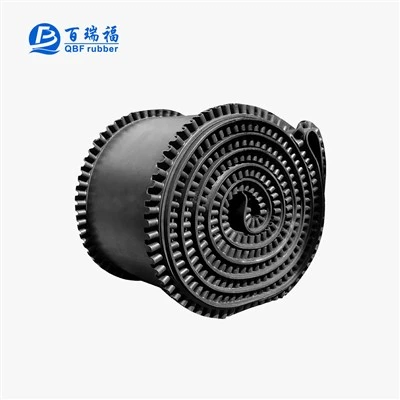
Diamond Pulley Lagging Diamond Pulley Lagging is specifically engineered to address the challenges of high - vibration environments. One of its key features is its unique diamond - shaped pattern. This pattern is not just for aesthetics; it serves a practical purpose. The diamond pattern increases the surface area of contact between the pulley lagging and the conveyor belt, which in turn enhances the friction. In a high - vibration situation, this increased friction helps to keep the belt in place, reducing the risk of slippage.
The material used in Diamond Pulley Lagging is also highly durable. It is designed to withstand the constant abrasion and impact that occur in high - vibration environments. The lagging is made from a high - quality rubber compound that has excellent resistance to wear, tear, and chemicals. This ensures that the lagging can maintain its performance over an extended period, even when exposed to harsh conditions.


Another important feature is its flexibility. The rubber compound used in Diamond Pulley Lagging allows it to conform to the shape of the pulley, providing a tight and secure fit. This is particularly important in high - vibration environments, as a loose - fitting lagging can be easily dislodged by the vibrations. The flexibility also enables the lagging to absorb some of the vibrations, reducing the stress on the pulley and the conveyor belt.
Performance of Diamond Pulley Lagging in High - Vibration Environments
In high - vibration environments, the performance of Diamond Pulley Lagging has been consistently impressive. The increased friction provided by the diamond pattern ensures that the conveyor belt remains stable, even when subjected to strong vibrations. This stability is crucial for the efficient operation of the conveyor system, as it prevents the belt from slipping and reduces the risk of material spillage.
The durability of the lagging material means that it can withstand the constant impact and abrasion caused by the vibrations. Unlike some other types of pulley lagging, Diamond Pulley Lagging does not easily crack or peel off, even after prolonged exposure to high - vibration conditions. This results in a longer service life for the lagging, reducing the need for frequent replacements and minimizing downtime for the conveyor system.
The flexibility of the lagging also plays a significant role in its performance. By absorbing some of the vibrations, it helps to protect the pulley from damage. This is especially important for the bearings and other components of the pulley, as excessive vibrations can cause premature wear and failure. The ability of Diamond Pulley Lagging to reduce the stress on these components can lead to a more reliable and efficient conveyor system.
Comparison with Other Types of Pulley Lagging
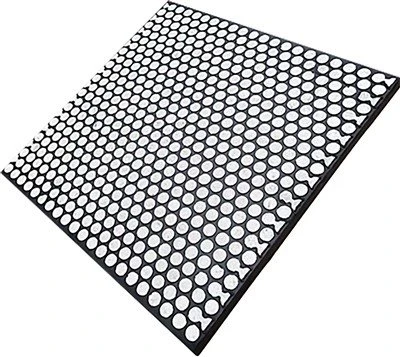
When compared to other types of pulley lagging, such as Ceramic Pulley Lagging, Diamond Pulley Lagging has several advantages in high - vibration environments. Ceramic pulley lagging is known for its high abrasion resistance, but it can be brittle and may crack under the influence of vibrations. In contrast, the rubber - based Diamond Pulley Lagging is more flexible and can better withstand the shock and vibrations.
Some other types of lagging may not have the same level of friction - enhancing features as Diamond Pulley Lagging. The diamond pattern on our lagging provides a unique advantage in maintaining the necessary friction to prevent slippage, which is crucial in high - vibration situations.
Real - World Applications
Diamond Pulley Lagging has been successfully used in a wide range of industries with high - vibration environments. In the mining industry, where conveyor systems are constantly exposed to the vibrations caused by heavy machinery and uneven terrain, Diamond Pulley Lagging has proven to be a reliable solution. It has helped to reduce belt slippage, improve the efficiency of material transportation, and extend the service life of the conveyor pulleys.
In the cement industry, the high - speed conveyor systems are often subject to vibrations due to the heavy loads and the operation of the production equipment. Diamond Pulley Lagging has been able to maintain the stability of the conveyor belts, even under these challenging conditions, resulting in a more reliable and cost - effective operation.
Conclusion and Call to Action
In conclusion, Diamond Pulley Lagging is an excellent choice for high - vibration environments. Its unique features, including the diamond pattern, durability, and flexibility, enable it to perform exceptionally well in such conditions. It can help to improve the efficiency, reliability, and longevity of conveyor systems, reducing downtime and maintenance costs.
If you are facing challenges with pulley lagging in high - vibration environments, I encourage you to consider Diamond Pulley Lagging. Our team of experts is ready to provide you with more information and assist you in finding the right solution for your specific needs. Whether you are in the mining, cement, or any other industry that relies on conveyor systems, we can help you optimize your operations. Contact us today to start a discussion about how Diamond Pulley Lagging can benefit your business.
References
- Engineering textbooks on conveyor systems
- Industry reports on pulley lagging performance
- Case studies from mining and cement industries