
QBF rubber has been deeply engaged in the field of vertical conveying system solutions, precisely focusing on the technical pain points in the application of large-angle side guards in multiple industries such as mining, steel, chemical engineering, ports, and power. Relying on continuous research and innovation, it continuously optimizes production processes, upgrades product structural designs, and enhances the conveying efficiency and operational stability of equipment.
By deeply understanding the special requirements in different working environments, Baorifu is committed to providing customers with more adaptable, safer, and longer-lasting conveying solutions, helping industry users achieve cost reduction, efficiency improvement, and intelligent upgrades.
Pain points in the steel industry
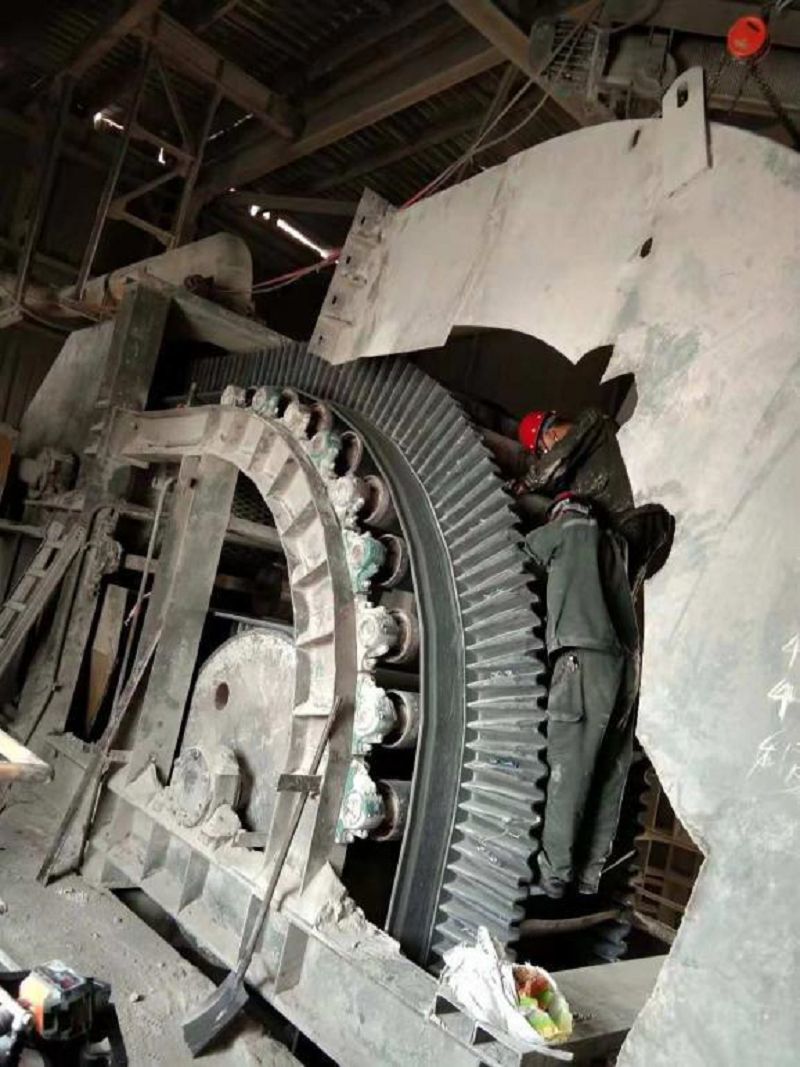
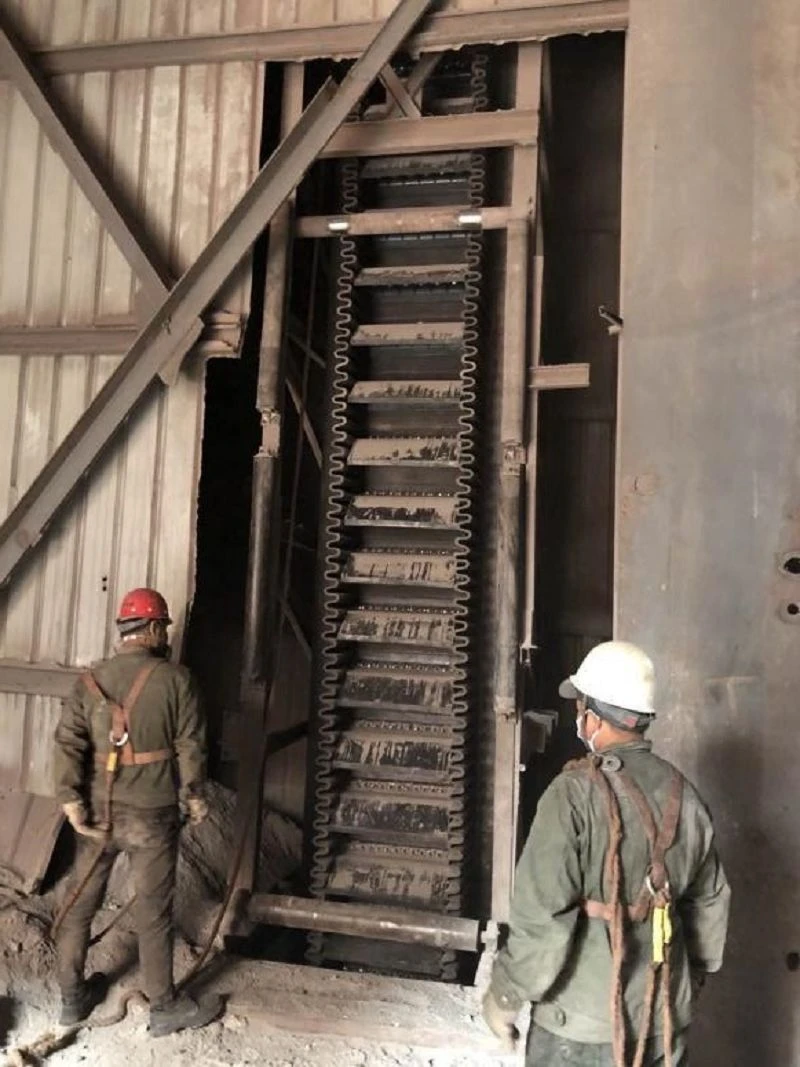
The raw materials in the steel industry are diverse (such as sintered ore, coke, and blast furnace return ore), with high material temperatures and sharp edges, which can easily cause belt tearing, wear, rapid aging of the belt, easy breakage of the leading edge, detachment and cracking of the partition plates, etc.; at the same time, the continuous operation environment with high dust and high load poses strict challenges to the operational stability of the equipment.
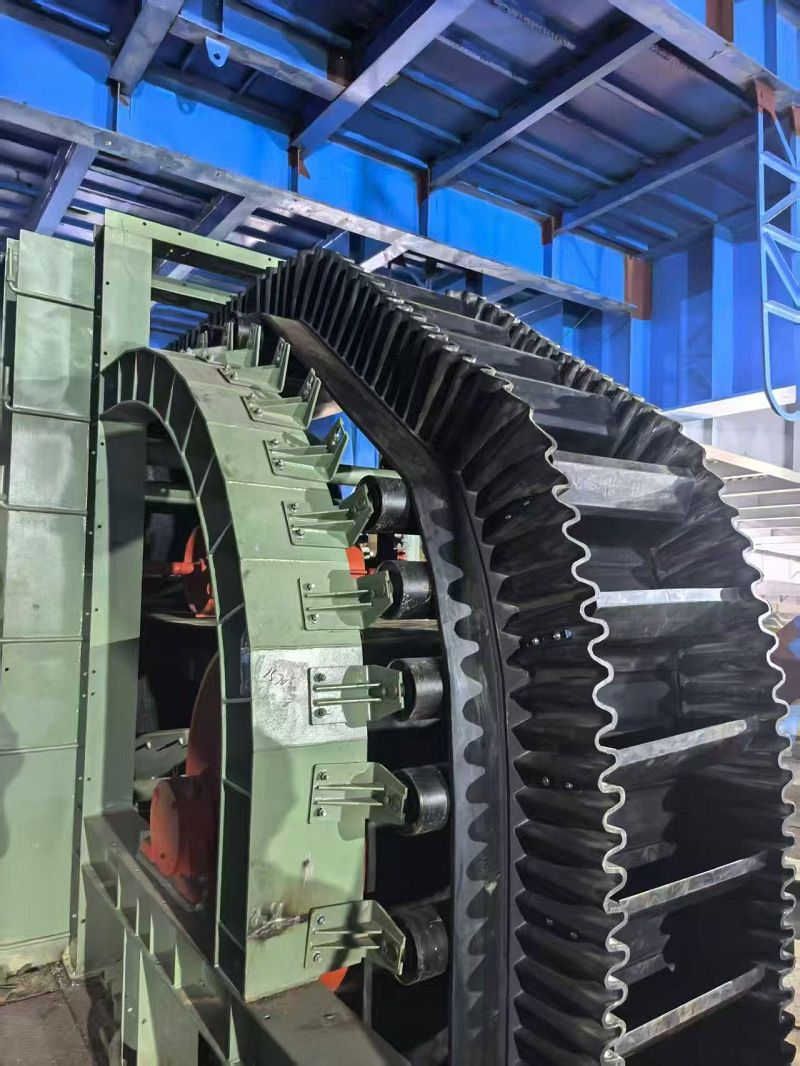
QBF rubber solution: Utilizing a proprietary cover rubber formulation engineered for high-temperature resistance and impact strength, this belt significantly enhances the conveyor's ability to withstand the impact of sharp materials and exposure to extreme heat. Through the integration of a reinforced, transversely rigid base belt and a high-strength splice structure, the risk of belt breakage-a critical concern in high-lift conveying applications-is completely eliminated. Furthermore, the layout of the sidewalls and cleats has been optimized, with the cleat fill rate specifically pre-engineered to effectively address the issue of material spillage.
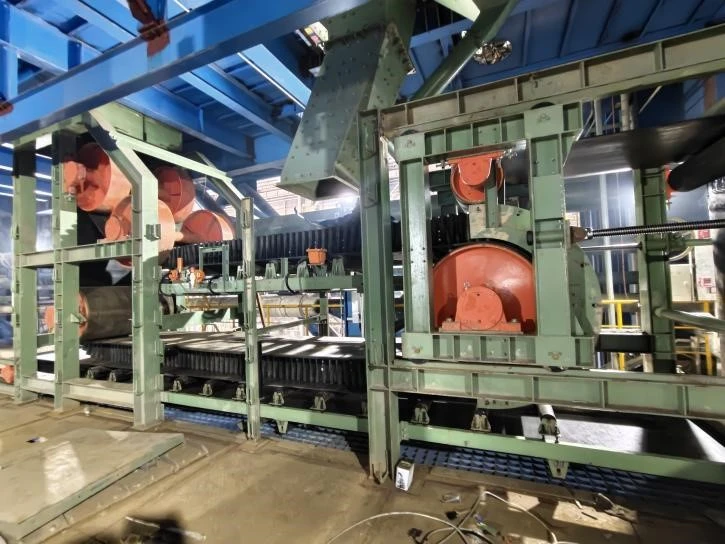
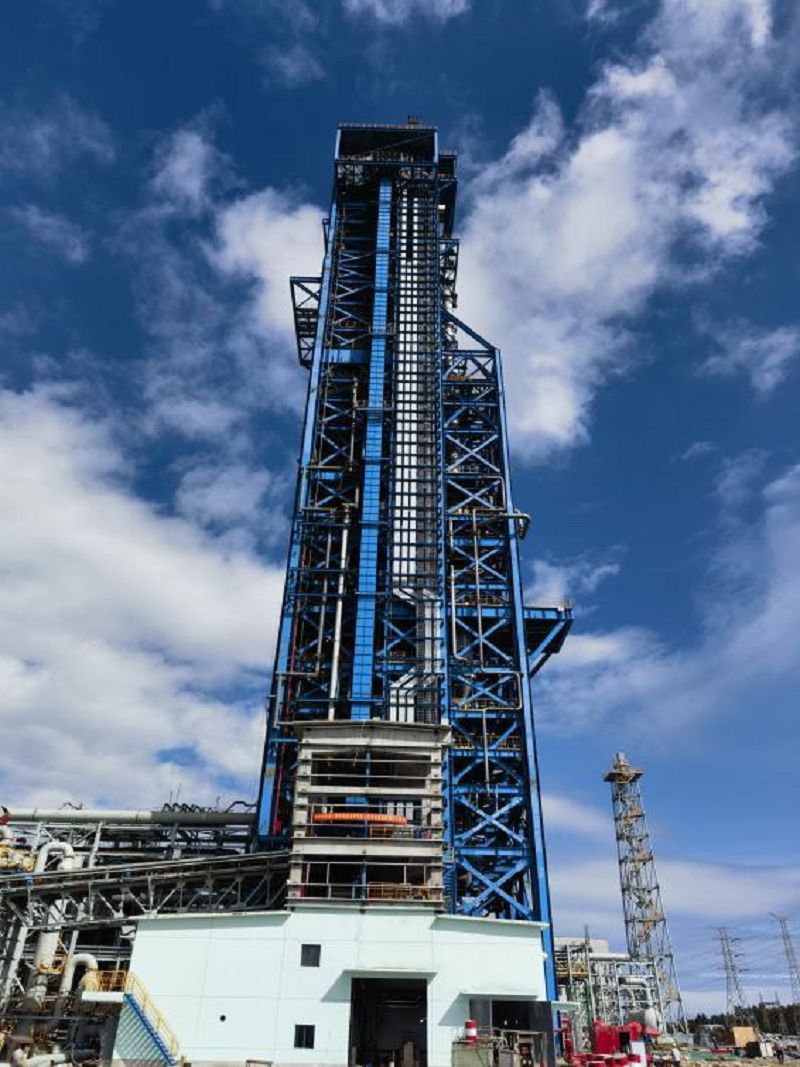
The QBF rubber specialized sidewall conveyor belt for steel industry hydrogen-based shaft furnaces features a design that can be precisely tailored to the specific vertical lifting height requirements of the application. Incorporating a 90-degree cord-free zone design and utilizing DIN-standard rubber compounds, the belt boasts a high overall safety factor and is engineered for a service life exceeding five years. Currently, Bairuifu has successfully supplied a 112-meter vertical-lift sidewall conveyor belt system for China Baowu Group's Zhanjiang Iron & Steel complex-specifically for its million-ton-scale hydrogen-based shaft furnace project.
Challenges in the tunnel industry
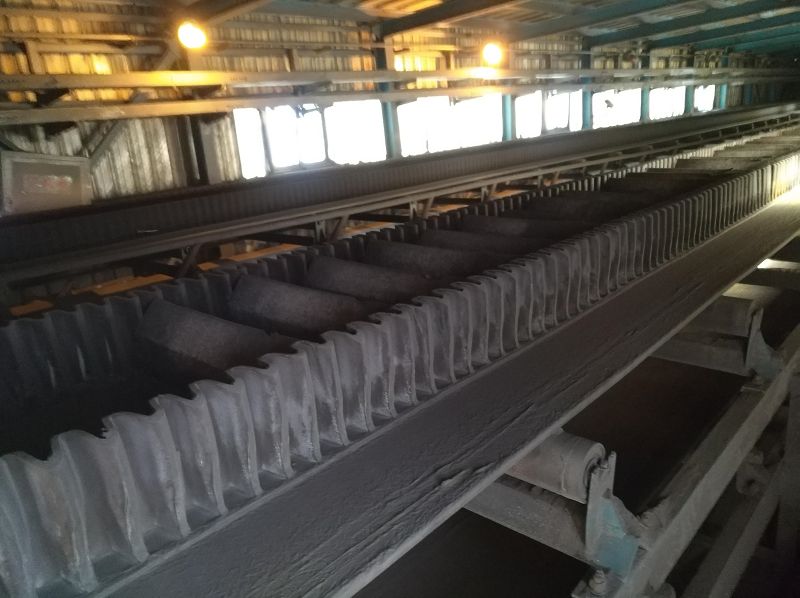
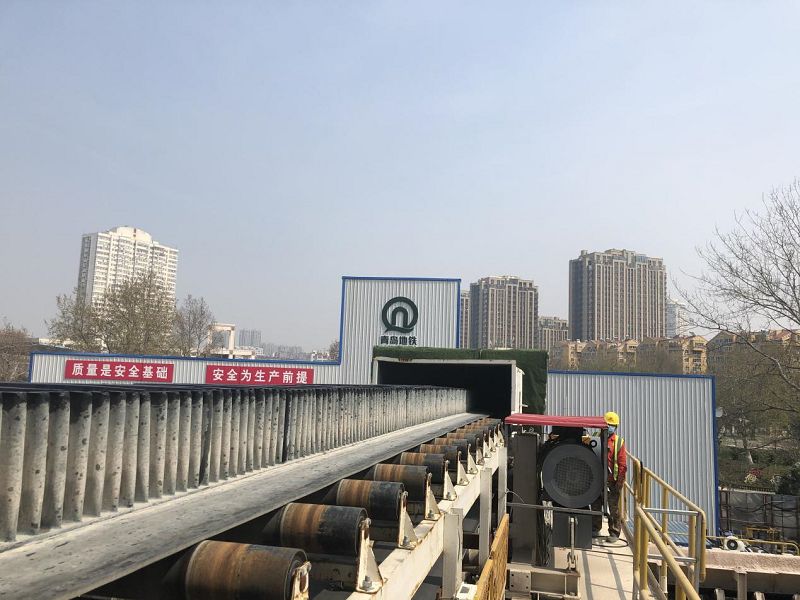
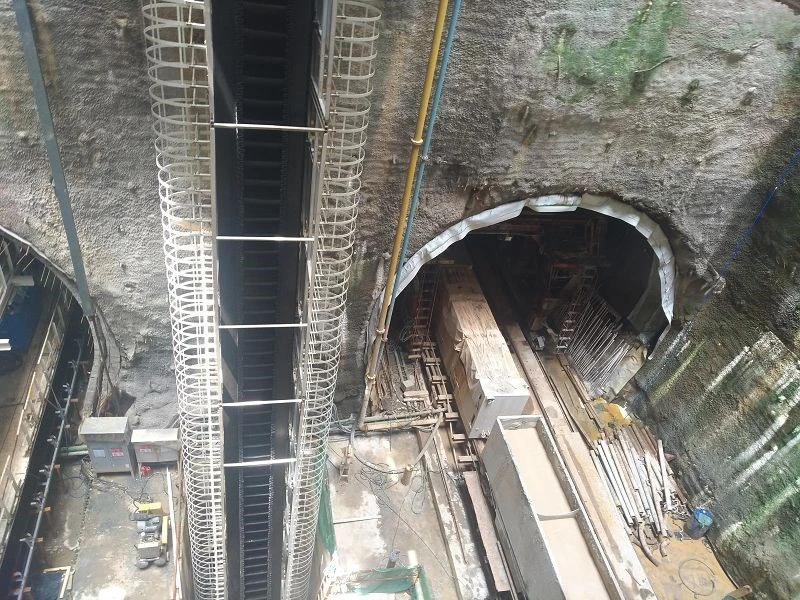
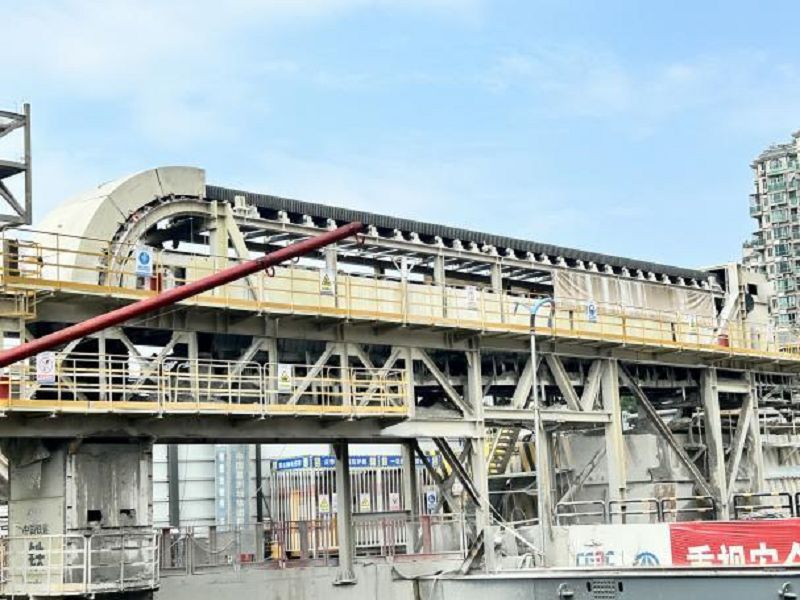
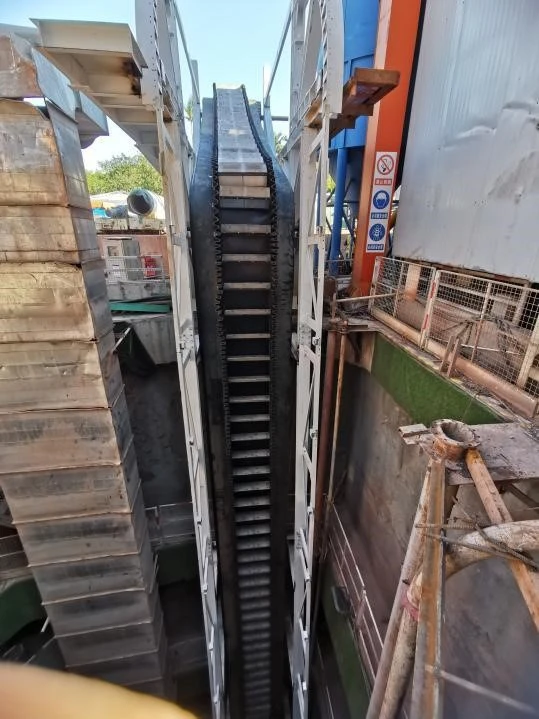
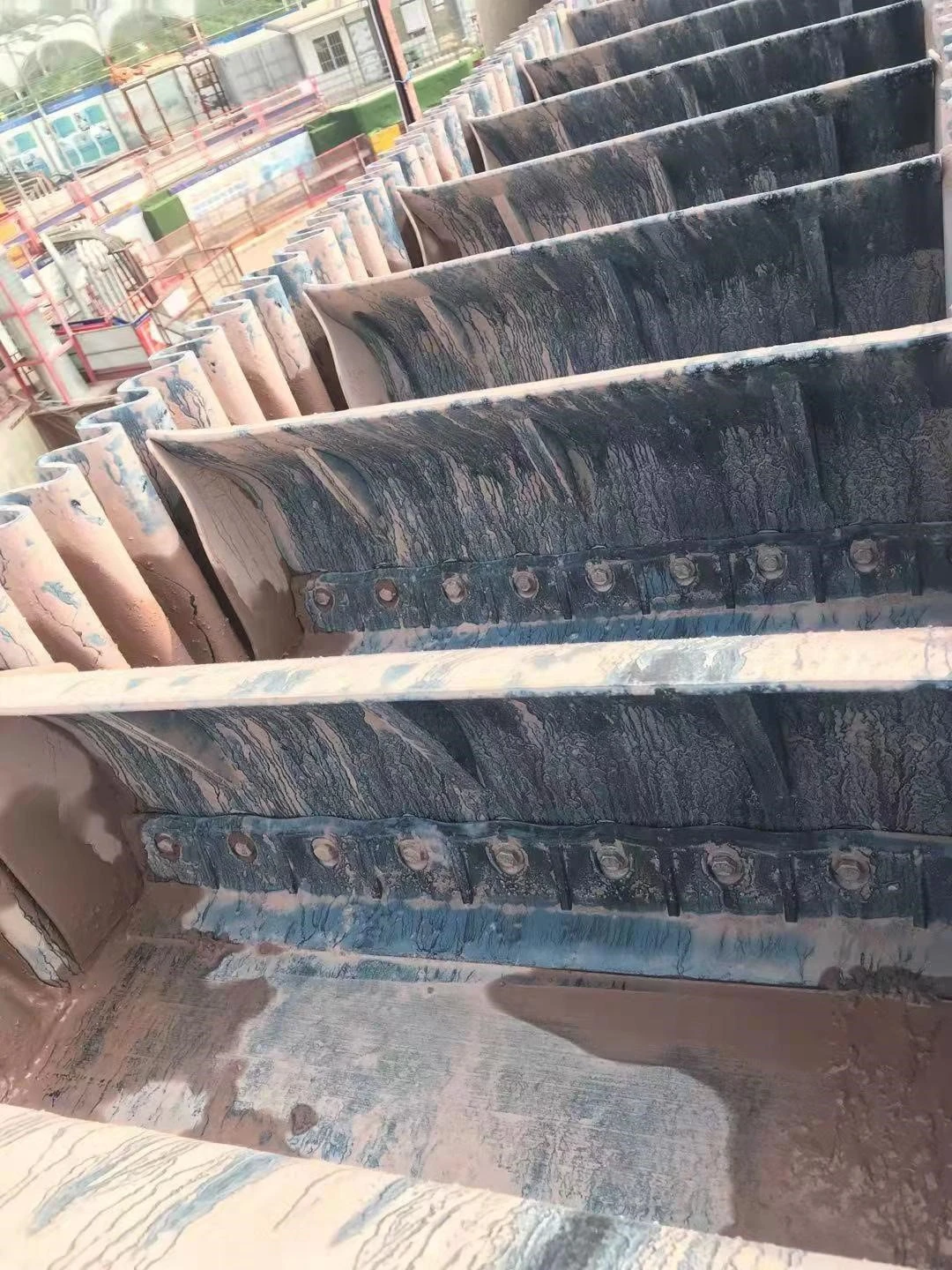
Tunnel and underground construction has a confined and narrow working space. The amount of waste materials to be transported is large, the moisture content of the waste is high, the material is highly adhesive, there is a serious problem of backflow of glue carrying materials, and manual cleaning is difficult and costly.
QBF rubber Solution:The anti-adhesion and self-cleaning rubber material design features strong anti-adhesion and hydrophobic properties, which can reduce the backhaul of materials and increase the efficiency of removing contaminants by 50% - 80%. The tunnel-specific guard edge belt with an added PE board has a structure that prevents leakage and can handle materials with high moisture content. The use of tunnel-specific reinforced partitions with strong impact resistance, large carrying capacity, and the ability to handle large rocks makes it suitable for use with TBM shield machines, achieving a perfect combination.
Currently, the QBF rubber vertical lifting type rubber belt with a large inclination guard edge belt has an approximately 70% market share in the Chinese tunnel market. It has been used as long-lasting guard edge belts for metro tunnel construction in multiple regions such as Japan, Germany, Russia, India, Beijing, Shenzhen, Qingdao, and Guangzhou.
Pain points of vertical hoisting in deep well mines
As the mining of mineral resources extends to deeper layers, deep well hoisting faces severe technical challenges: the lifting height is large, and the well shaft space is limited. Traditional hoisting methods (such as skip hoisting) require a large well shaft cross-section and complex transfer procedures, and have low efficiency; the ore is hard and has sharp edges, resulting in extremely intense impact and wear on the conveyor belt during high-speed vertical hoisting; moreover, deep well operations have extremely high requirements for the safety and reliability of the system. Any malfunction could lead to serious safety accidents and huge production losses.
QBF rubber Solution:The vertical lifting guard belt for mining applications of QBF rubber adopts a 90° vertical lifting belt selection design, 90° vertical lifting anti-slip technology, 90° vertical dynamic deviation correction technology, high-tension stress dispersion technology for re-direction, mechanical and belt operation stability technology breakthroughs in low-temperature environments. It breaks through the dual constraints of terrain and efficiency, and can achieve continuous and efficient vertical material transportation in deep mines of 200-500 meters. Currently, Baorifu has provided a 255m vertical lifting system specifically for Chinese gold mining projects, with the guard belt for vertical lifting reaching 255m and a conveying capacity of 200 tons per hour.


Pain points in the chemical industry
Chemical production involves the transportation of a large amount of high-temperature materials. Ordinary performance conveyor belts are prone to aging under continuous heat exposure, resulting in a sharp decline in belt strength and frequent occurrences of skirt edge tearing and detachment. This seriously affects the continuity of production and poses safety hazards.
QBF rubber Solution: For the high-temperature working conditions in the chemical industry, QBF rubber has developed a high-temperature-resistant and tear-resistant composite structure edge band. The product is made of high-temperature-resistant rubber as the covering material, combined with a high-strength high-temperature-resistant framework material. It is precisely formulated and specially thermosized through a special process to create a product that integrates high-temperature resistance, aging resistance, stable dimensions, and strong flexibility. It focuses on addressing the problems of ordinary heat-resistant edge bands that tend to age, peel off, have loose skirts, and have a short lifespan under high-temperature conditions. It provides a durable and reliable conveying solution for high-temperature production lines.


Pain points in the port industry
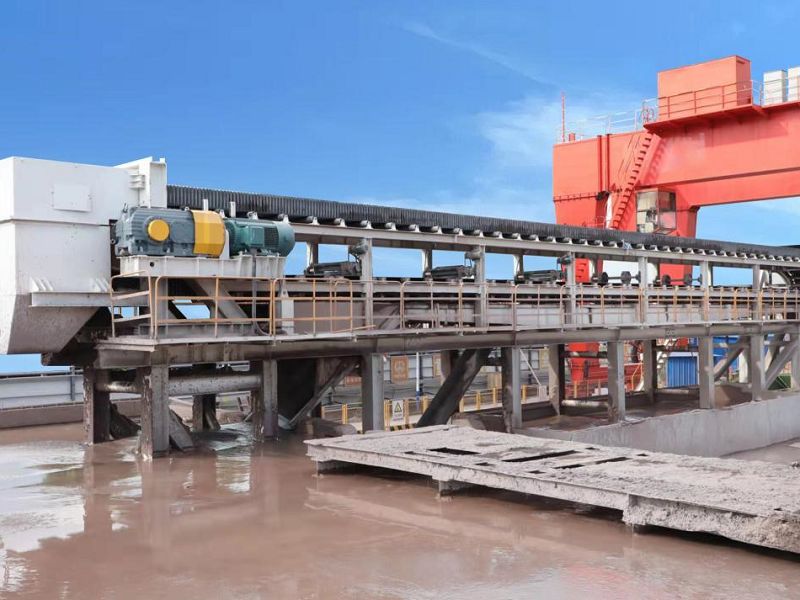
Terminal operations need to continuously and efficiently complete the unloading, stacking and retrieval, as well as loading and transshipment of bulk cargo such as coal, ore and grain, which poses extremely high requirements for the instantaneous throughput capacity and long-term continuous operation capacity of the conveying system
QBF rubber solution: In response to the core demands of high volume and high efficiency in ports, QBF rubber has developed port-specific side-edge belts with extremely high conveying capacity. Currently,QBF rubber has provided 2350TPH side-edge belts for the Beiliang Port (with a single belt lifespan of up to 6 years) and 2500TPH side-edge belts for Indian ports.


