Hey there! As a supplier of Ceramic Pulley Lagging, I often get asked about the wear rate of this awesome product. So, I thought I'd sit down and share everything I know about it in this blog post.
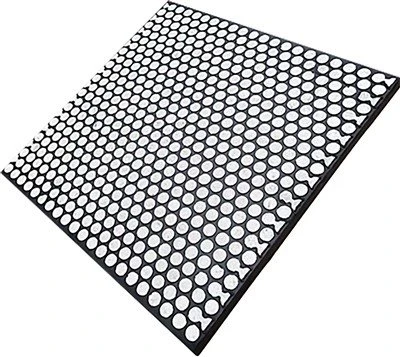
First off, let's talk about what ceramic pulley lagging is. Ceramic pulley lagging is a type of material that's used to line conveyor pulleys. It's made up of small ceramic tiles that are bonded to a rubber backing. This combination gives the lagging some really cool properties, like high abrasion resistance, good grip, and the ability to withstand high temperatures.
Now, let's get to the main question: what's the wear rate of ceramic pulley lagging? Well, the wear rate of ceramic pulley lagging can vary depending on a few different factors. One of the biggest factors is the type of application it's being used in. For example, if the conveyor is moving heavy, abrasive materials like coal or ore, the lagging is going to experience more wear and tear than if it's being used to move lighter, less abrasive materials like grain or wood chips.
Another factor that can affect the wear rate is the quality of the ceramic tiles. Not all ceramic tiles are created equal. Some are made from higher-quality materials and are more durable than others. At our company, we only use the highest-quality ceramic tiles in our lagging, which helps to ensure a longer wear life.
The operating conditions of the conveyor also play a role in the wear rate. Things like the speed of the conveyor, the tension of the belt, and the amount of dust and debris in the environment can all impact how quickly the lagging wears out. For instance, if the conveyor is running at a high speed, the lagging is going to be subjected to more stress and friction, which can lead to faster wear.
To give you a better idea of how the wear rate of ceramic pulley lagging compares to other types of lagging, let's take a look at Diamond Pulley Lagging. Diamond pulley lagging is another popular option for conveyor pulleys. It's known for its excellent grip and high abrasion resistance. However, in many cases, ceramic pulley lagging has a lower wear rate than diamond pulley lagging. This is because the ceramic tiles are harder and more resistant to abrasion than the materials used in diamond pulley lagging.
In general, the wear rate of ceramic pulley lagging can be quite low. With proper installation and maintenance, our ceramic pulley lagging can last for several years in many applications. We've had customers who've reported getting 5 - 10 years of use out of our lagging, even in some of the toughest industrial environments.
So, how can you extend the wear life of your ceramic pulley lagging? Here are a few tips:


- Proper installation: Make sure the lagging is installed correctly. This includes ensuring that the surface of the pulley is clean and smooth before the lagging is applied, and that the tiles are bonded firmly to the rubber backing.
- Regular maintenance: Keep an eye on the lagging and perform regular inspections. Look for any signs of damage, such as cracks or loose tiles. If you notice any issues, address them right away to prevent further damage.
- Optimize operating conditions: Try to keep the conveyor running at an optimal speed and tension. Also, minimize the amount of dust and debris in the environment by using proper dust control measures.
If you're in the market for Ceramic Pulley Lagging, I'd love to chat with you. We have a wide range of options available to suit different applications and budgets. Whether you're running a small-scale operation or a large industrial plant, we can help you find the right ceramic pulley lagging for your needs.
Don't hesitate to reach out if you have any questions or if you'd like to request a quote. We're here to provide you with the best products and services possible. Let's work together to improve the performance and longevity of your conveyor systems!
References
- Industry research on conveyor pulley lagging materials
- In - house testing data on ceramic pulley lagging wear rates