Can Cold Bonding Adhesive Be Used for Bonding Ceramics?
As a supplier of Cold Bonding Adhesive, I've received numerous inquiries about the feasibility of using our product for bonding ceramics. In this blog post, I'll delve into the technical aspects, advantages, and limitations of using cold bonding adhesive for ceramic applications.
Understanding Cold Bonding Adhesive
Cold bonding adhesive is a type of adhesive that cures at room temperature without the need for heat or special equipment. It offers several advantages, such as ease of use, cost - effectiveness, and the ability to bond a wide range of materials. Our Cold Bonding Adhesive is formulated to provide strong and durable bonds, making it a popular choice in various industries.
The Nature of Ceramics
Ceramics are a diverse group of materials known for their high hardness, wear resistance, and excellent thermal and chemical stability. They are made from inorganic, non - metallic materials and are typically fired at high temperatures during the manufacturing process. This high - temperature firing results in a dense and often porous structure, which can pose challenges when it comes to bonding.
Bonding Mechanisms
When it comes to bonding ceramics with cold bonding adhesive, there are several mechanisms at play. One of the primary mechanisms is adhesion, which is the attraction between the adhesive and the ceramic surface. Our cold bonding adhesive contains polymers that can form strong intermolecular forces with the ceramic surface. These forces can be physical, such as van der Waals forces, or chemical, such as covalent or ionic bonds.
Another important mechanism is cohesion, which refers to the internal strength of the adhesive itself. A good cold bonding adhesive should have high cohesion to ensure that the bond can withstand external forces without breaking. Our Cold Bonding Adhesive is designed to have excellent cohesion properties, allowing it to form a strong and durable bond with ceramics.
Advantages of Using Cold Bonding Adhesive for Ceramics
- Ease of Application: Cold bonding adhesive can be applied at room temperature, which means that no special heating equipment is required. This makes it a convenient option for both small - scale and large - scale ceramic bonding applications.
- Cost - Effective: Compared to other bonding methods, such as high - temperature brazing or welding, cold bonding adhesive is more cost - effective. It reduces the need for expensive equipment and energy consumption, making it an attractive option for budget - conscious manufacturers.
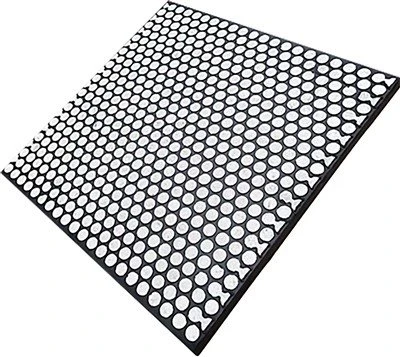
- Versatility: Our cold bonding adhesive can bond different types of ceramics, including alumina, zirconia, and porcelain. It can also be used to bond ceramics to other materials, such as metals, plastics, and composites. For example, our Metal Premier product is specifically designed for bonding ceramics to metals, providing a strong and reliable bond.
- Reduced Thermal Stress: Since cold bonding adhesive cures at room temperature, it does not subject the ceramic to high temperatures. This helps to reduce thermal stress, which can cause cracking or deformation in ceramics.
Limitations and Challenges
- Surface Preparation: Proper surface preparation is crucial for achieving a strong bond between the cold bonding adhesive and the ceramic. Ceramics often have a smooth and non - porous surface, which can make it difficult for the adhesive to adhere. Therefore, the ceramic surface needs to be cleaned, roughened, or treated with a primer to improve adhesion.
- Environmental Resistance: While our cold bonding adhesive offers good resistance to many environmental factors, such as moisture and chemicals, it may not be suitable for applications where the ceramic is exposed to extreme conditions. For example, in high - temperature or high - pressure environments, the adhesive may degrade over time, leading to a weakening of the bond.
- Bond Strength: Although our cold bonding adhesive can provide a strong bond, the bond strength may not be as high as that achieved by some other bonding methods, such as high - temperature brazing. In applications where high - strength bonds are required, careful consideration should be given to the specific requirements of the project.
Case Studies
To illustrate the effectiveness of our cold bonding adhesive for ceramic applications, let's look at a few case studies.
Case Study 1: Ceramic Tile Installation
A contractor was looking for a cost - effective and easy - to - use adhesive for installing ceramic tiles in a residential bathroom. They chose our Cold Bonding Adhesive because of its ease of application and good bonding properties. The adhesive was applied to the back of the tiles, and the tiles were then pressed onto the wall. After the adhesive cured, the tiles were firmly bonded to the wall, and there were no signs of peeling or cracking even after several months of use.
Case Study 2: Bonding Ceramic Components in a Manufacturing Process
A manufacturing company needed to bond ceramic components to metal parts in a production line. They used our Metal Premier cold bonding adhesive, which was specifically formulated for this type of application. The adhesive provided a strong and reliable bond, allowing the company to increase production efficiency and reduce costs.
Conclusion
In conclusion, cold bonding adhesive can be a viable option for bonding ceramics in many applications. It offers several advantages, such as ease of use, cost - effectiveness, and versatility. However, it also has some limitations, such as the need for proper surface preparation and potential environmental resistance issues.


If you are considering using cold bonding adhesive for your ceramic bonding needs, I encourage you to contact us for more information. Our team of experts can provide you with detailed technical advice and help you choose the right product for your specific application. Whether you are a small - scale hobbyist or a large - scale manufacturer, we are committed to providing you with high - quality cold bonding adhesive solutions.
References
- "Adhesion Science and Engineering: Volume 1: Surfaces, Chemistry and Physics" by K. L. Mittal.
- "Ceramics: Structure, Properties, Processing, and Applications" by W. D. Kingery, H. K. Bowen, and D. R. Uhlmann.
- Technical data sheets of our Cold Bonding Adhesive and Metal Premier products.